

A ski trip to Xinjiang is about more than the powder. The region sits at the crossroads of several cultures, where Uyghur, Kazakh, Han and Hui traditions meet, and that mix shows up vividly in the markets you will pass through on the way to the slopes. Bringing home the right Xinjiang ski trip souvenirs turns a good holiday into a story you keep telling long after the boots are packed away. Whether you want edible gifts, handmade crafts, or a genuine gear bargain, knowing what to look for and where to shop saves money and spares you the tourist traps that cluster around resort entrances. This guide walks through the best things to buy, what they should cost, and the practical rules around carrying them home.
Dried Fruit and Nuts: The Easiest Gift
Xinjiang produces some of the best dried fruit in the world. The region’s heat and long summers concentrate flavor in grapes, apricots, figs, dates and mulberries, while the local walnuts and almonds are famously sweet and meaty. A sealed bag of red dates or golden raisins costs almost nothing at a local bazaar and travels extremely well in checked luggage, making it the default gift for friends back home. Buy from stalls that sell by weight rather than the pre-packaged gift boxes near the resorts, which carry a large markup for the same product. If you are spending more than a few days in the region, pair this stop with our halal food guide so you can taste samples before you commit to a kilo of anything.
Carpets, Rugs and Embroidery
Hand-knotted carpets from Hotan and embroidered cloth from several ethnic groups are the signature craft souvenir of the region. A small wool or silk rug is portable, beautiful, and appreciates in sentiment even if not in price. Check the knot density by flipping the rug and looking at the back; a clean, even pattern on both sides signals real handwork, while a blurry reverse usually means a machine made the copy. Machine-made versions are cheaper and noticeably heavier, so decide early whether you want a genuine heirloom or a decorative keepsake. Markets in Altay city and Urumqi both stock them, with Urumqi offering the wider range and the better prices if you are willing to bargain.
Knives, Instruments and Other Collectibles
Xinjiang’s decorative knives, especially the curved styles with inlaid handles, are beautiful objects but regulated ones. Do not pack them in carry-on luggage under any circumstances, and check your home country’s import rules before you buy, because some destinations ban certain blade types entirely. The same caution applies to traditional instruments and to anything that looks like it might be made from protected materials. For most travelers, a small carved wooden bowl, a set of keychains shaped like a traditional lute, or a painted porcelain plate makes a safer, lighter memento with just as much local character. If you fall in love with a larger piece, ask the seller about shipping it rather than carrying it on the mountain or through airport security.
Wool, Cashmere and Winter Clothing
The same cold that makes Xinjiang a ski destination also makes it a serious source of wool and cashmere. Local markets sell untreated wool socks, felt insoles and cashmere scarves at a fraction of Western prices, and the quality is often better than what you find in airport boutiques. Feel the fabric before buying: real cashmere is light, warm and slightly uneven, never stiff or shiny, and it should not shed excessively when you rub it. These items pair naturally with the layering advice in our packing list if you plan to ski again next season, and a good scarf or pair of socks makes a practical gift that actually gets used.
Ski Gear Deals at the Resorts
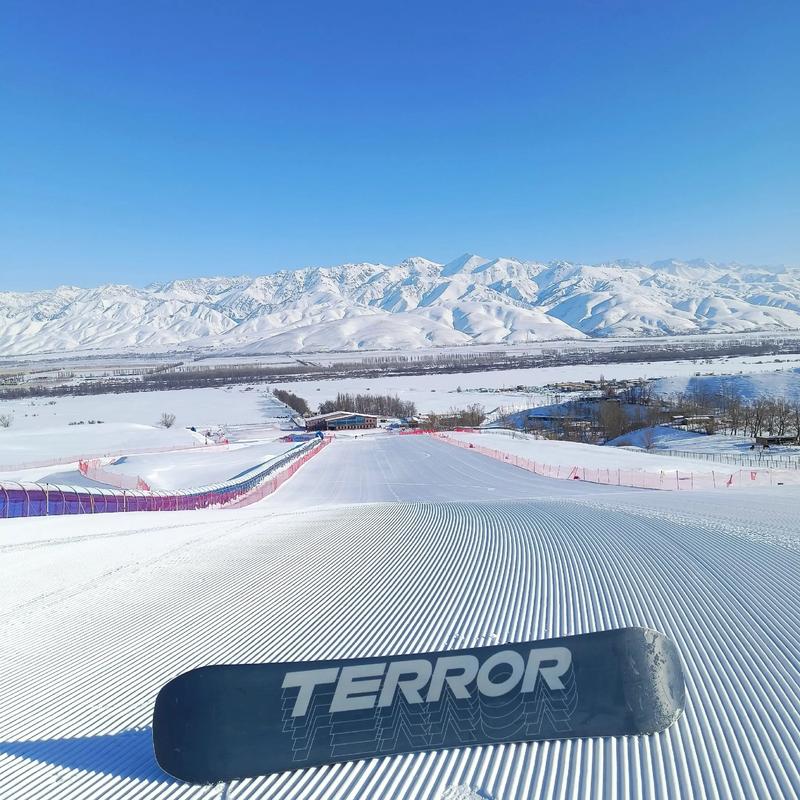
Resort shops near Xinjiang’s powder resorts stock last-season demo skis, locally branded goggles and base layers at prices that are hard to beat at home. End-of-season sales in March are the best time to buy, but even mid-season you can find gloves, neck gaiters and masks far cheaper than in Europe or North America. Inspect used gear for edge rust and binding wear, and confirm the shop can adjust bindings to your boots before you commit, because a binding you cannot mount is just an expensive souvenir. A beginner is usually better off renting on a first trip and buying only once they know what fits.
Where to Shop: Bazaars vs Resorts
For food and crafts, go to the big bazaars: Urumqi’s International Grand Bazaar, Altay’s morning market, and the smaller stalls near resort bases. Bazaars reward patient bargaining and a willingness to walk away, while resort shops are fixed-price and convenient but pricier for the same items. Carry small cash, because remote stalls often cannot process foreign cards, and keep a separate budget for market days so the skiing does not suffer. After a long day on the slopes, our hot spring hotel guide helps you plan a recovery evening within walking distance of the best shopping streets, which is when the markets are at their most atmospheric.
Bargaining Tips That Actually Work
Bargaining is expected in the bazaars but not in modern malls or resort shops. Start at roughly sixty percent of the first quoted price and treat the whole exchange as friendly theatre rather than confrontation. Go with a local friend or guide when you can, because vendors quote foreigners higher as a matter of course, and a familiar face resets the opening number. Buy several items from one stall to unlock a bulk discount, and never appear in a hurry, since urgency is read as willingness to pay full price. If the price will not move, thank the seller and walk; in a crowded bazaar another stall with the same goods is rarely more than a few steps away.
Shipping and Customs
If you buy more than you can carry, Urumqi has reliable courier counters that ship worldwide, though timelines slow down in winter and around major holidays. Keep receipts for anything valuable, declare food items honestly at home, and avoid anything made from protected wildlife, which is illegal to export and not worth the risk. Dried fruit and nuts are usually fine but check your destination’s agricultural rules before you post a box, because some countries confiscate even sealed packages. A little research before you shop prevents an expensive lesson at customs on the way home.
Frequently Asked Questions
What are the best cheap souvenirs from Xinjiang?
Dried fruit, nuts, and small embroidered items are the best value. They are light, inexpensive, and easy to carry in checked bags, which makes them ideal gifts for a group of friends.
Can I bring a Xinjiang knife home?
Only in checked luggage, and only after checking your home country’s import rules. Many travelers skip knives entirely to avoid customs trouble and choose a carved bowl instead.
Is bargaining expected at the bazaars?
Yes. Start around sixty percent of the asking price and be willing to walk away. Resort shops, by contrast, are usually fixed price with little room to move.
Where is the best place to buy ski gear in Xinjiang?
Resort demo shops and Urumqi sports markets both work. March end-of-season sales offer the deepest discounts on skis and outerwear if your trip lands late in the season.
How do I ship souvenirs home from Xinjiang?
Urumqi courier counters ship internationally, but allow extra time in winter. Keep receipts and declare food items honestly on arrival to avoid fines.