

If the Altai is Xinjiang’s powder heartland, then the Altay city ski resorts are its most convenient expression. Altay city sits in the far north of the region, and from its edge you can be on a chairlift within half an hour of leaving your hotel — a rare convenience in a landscape otherwise defined by long mountain drives. This guide covers the northern cluster: the city-edge hill of Jiangjunshan, the deeper powder of Cocoa Tuohai, and the village magic of Hemu. It pairs with the full Xinjiang ski resorts directory and the broader Xinjiang skiing plan for travellers chasing dry, deep snow without wanting to sacrifice every comfort to find it.
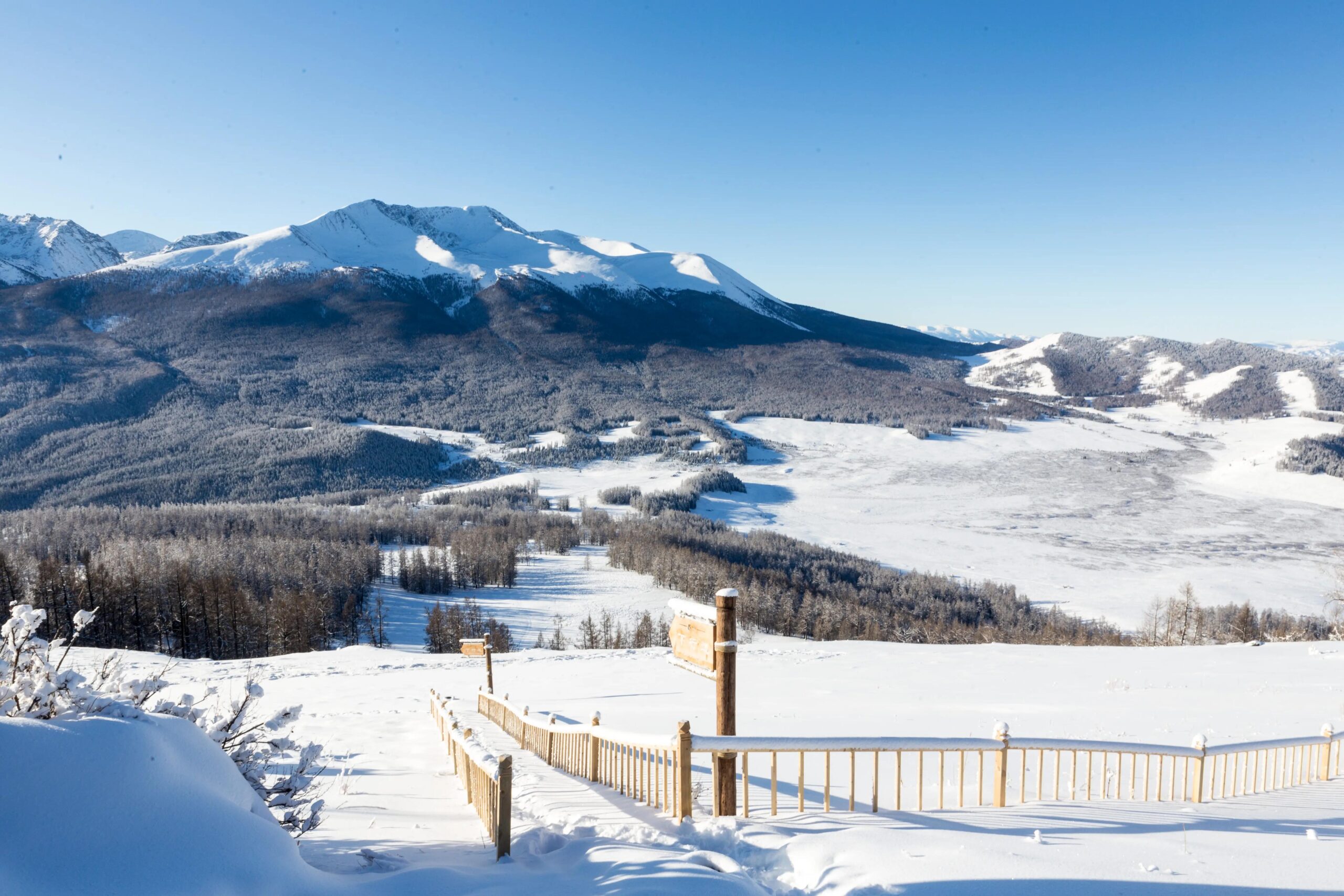
The Northern Cluster at a Glance
Three hills define the Altay experience, and they sit within a couple of hours of one another by road:
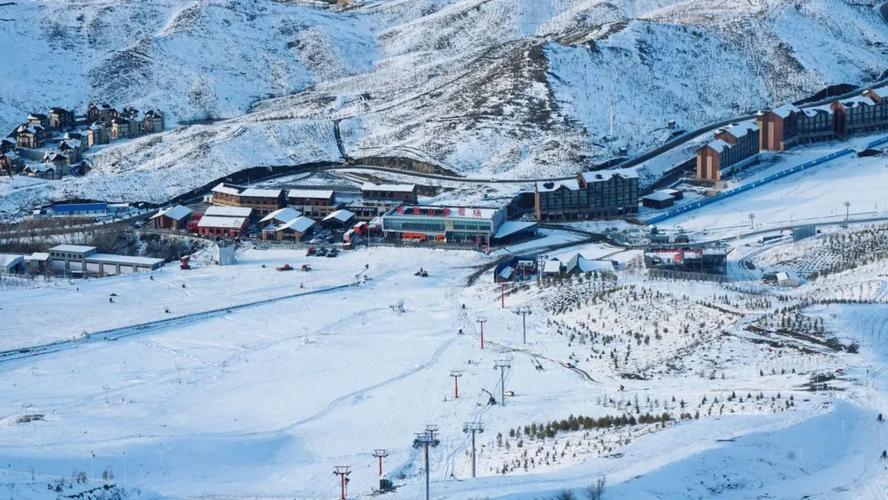
- Altai Jiangjunshan ski resort — the city slope. Ski from town, strong night skiing, beginner-friendly and close to everything.
- Cocoa Tuohai ski resort — bigger vertical, dramatic canyon scenery, the deepest snow of the cluster and the most serious terrain.
- Hemu village skiing — Tuva cabins and backcountry access, the most scenic and the most remote of the three.
Altay city is the natural hub: fly in, sleep in town, and use it as the launch point for all three without ever changing your base more than you want to.
Getting There and Around
Altay has its own airport with regular winter flights from Urumqi, plus a sleeper train and road connections. Because Jiangjunshan backs directly onto the city, it is the most public-transport-friendly resort in the whole region — a taxi or shuttle gets you to the base in minutes. Cocoa Tuohai and Hemu require a road transfer of a couple of hours, but the routes are straightforward and scenic. The city’s small size is part of the charm: heated blocks, noodle houses, and a slow northern pace that makes a ski trip feel like a proper winter retreat rather than a logistics exercise.
Snow and Season
The Altai holds snow longer and drier than anywhere else in Xinjiang, which is exactly why it tops our best powder ski resort in Xinjiang conversation. The season runs roughly December through March, with the deepest, most reliable base in January and February. Altay city’s altitude and cold air keep the powder light and the cover thick even when the Tianshan is relying on its guns. For powder hunters, this is the cluster that justifies the longer journey north, and a single big storm can lay down more than a metre of the squeaky, dry snow the region is famous for across the world.
Jiangjunshan: The City Slope
Jiangjunshan is the gentle on-ramp to the north. Its wide lower slopes and magic carpets make it one of the easiest places to learn in Xinjiang, and its floodlit night skiing is a genuine highlight given the short winter daylight. Because you sleep in a city rather than a resort bubble, every meal is a real restaurant and every evening is a wander through a frozen northern town. Most visitors use Jiangjunshan as day one, then push north for bigger terrain once their legs and confidence have caught up with their ambition on the mountain.
Cocoa Tuohai and Hemu: Going Deeper
Cocoa Tuohai delivers the cluster’s biggest vertical and most dramatic scenery, with canyon walls framing groomed slopes and deep sidecountry snow. Hemu trades scale for atmosphere — a Tuva village of wooden cabins where the skiing blends into the landscape and the backcountry beckons. Both are best reached from Altay city as day trips or as a slower multi-day base. Together the three hills let you sample city convenience, big-mountain powder, and village solitude without ever leaving the north or paying for more transfers than a single hub base requires.
A Typical Day in the Altai
A northern ski day runs on the light. In deep winter the sun clears the ranges after nine, so mornings are for a slow start, a big breakfast, and sorting gear before the first chair. I usually ski the top pitches before lunch, break for noodles and tea in a base canteen, then use the warmer afternoon for a long cruiser or a sidecountry foray. Evenings belong to the city or the cabin: a hot-spring soak, a plate of dapanji, and an early night, because the cold rewards rest. Night skiing at Jiangjunshan stretches the day and is a genuine highlight rather than a gimmick. It is a slower, more deliberate rhythm than a European ski week, and that pace is most of the Altai’s charm for visitors who arrive expecting a resort and leave loving the region.
Costs and Value in the North
The Altai is outstanding value. Lift tickets, gear rental and food cost a fraction of the Alps, and Altay city’s ordinary hotels are far cheaper than any alpine chalet while being perfectly warm and comfortable. The main expense is getting there — the flight or train north from Urumqi — and the transfers to the more remote hills, but those are fixed costs that shrink per day the longer you stay. A week skiing the northern cluster, including a night or two in Hemu, can cost less than three days almost anywhere in the Alps, which is exactly why budget-minded powder hunters keep the Altai at the top of their list once they have discovered it.
Who the Altay Cluster Is For
- Powder hunters: the driest, deepest snow in Xinjiang, bar none, after every Siberian front that rolls through.
- Beginners: Jiangjunshan’s gentle, city-connected slopes are among the easiest places to learn in the region.
- Scenery lovers: Hemu’s cabins and Cocoa Tuohai’s canyons are postcard material in any weather.
- Adventurers: backcountry access beyond the marked runs for those who bring the right kit and knowledge.
If you want convenience above all, the Tianshan near Urumqi is easier; if snow is the point, fly north and commit to the Altai for the best of Xinjiang.
Tips From Experience
- Use Altay city as your hub — fly in and base in town, then radiate out to the three hills by road.
- Ski Jiangjunshan on arrival; it is the easiest way into Altai snow and a perfect first-day warm-up.
- Day-trip to Cocoa Tuohai for bigger vertical and deeper powder without changing your lodging.
- Base in Hemu for at least one night if you want the full village experience and quiet morning light.
- Book English lessons ahead — instruction is limited outside the city and fills during peak winter weeks.
- Bring real cold-weather gear; the Altai hits minus 30 on clear nights, and the dry cold is deceptively sharp.
Frequently Asked Questions
How many ski resorts are near Altay city?
Three main ones — Jiangjunshan on the city edge, plus Cocoa Tuohai and Hemu a couple of hours north by road, all reachable from one hub.
Can I ski Altay without a car?
Yes. Jiangjunshan is minutes from the city by taxi or shuttle; Cocoa Tuohai and Hemu need a transfer but are easy to reach with a pre-booked driver.
Which Altay resort has the best powder?
Cocoa Tuohai and Hemu hold the deepest snow, while Jiangjunshan offers the easiest city-connected taste of the same Altai powder.
Is Altay good for beginners?
Very — Jiangjunshan’s wide, gentle slopes are among the easiest places to learn in Xinjiang, with staffed beginner zones and magic carpets.
When is the Altai season?
Roughly December through March, with the deepest, most reliable base in January and February and the longest snow hold of any Xinjiang cluster.
How does Altay compare with Urumqi’s resorts?
Altay has deeper, drier powder and more wilderness; Urumqi is closer, more developed, and more English-friendly. Powder chasers go north without regret.