

There are few better feelings than sliding into a steaming outdoor pool while snowflakes drift down after a hard day on the slopes. In Xinjiang, hot-spring hotels turn this into a signature part of the ski holiday. The region’s geothermal water, dry mountain air and long ski season combine to make thermal soaking one of the best recovery tools a skier can find. Whether you are chasing deep powder in the north or cruising groomers near Urumqi, ending the day in warm mineral water helps tired legs bounce back for the morning. This guide explains what to expect, how to choose the right property and how a hot-spring base fits into a wider ski trip.
If you are still deciding on a region and resorts, pair this with the main Xinjiang Skiing Guide so your accommodation sits close to the slopes you actually want to ski.
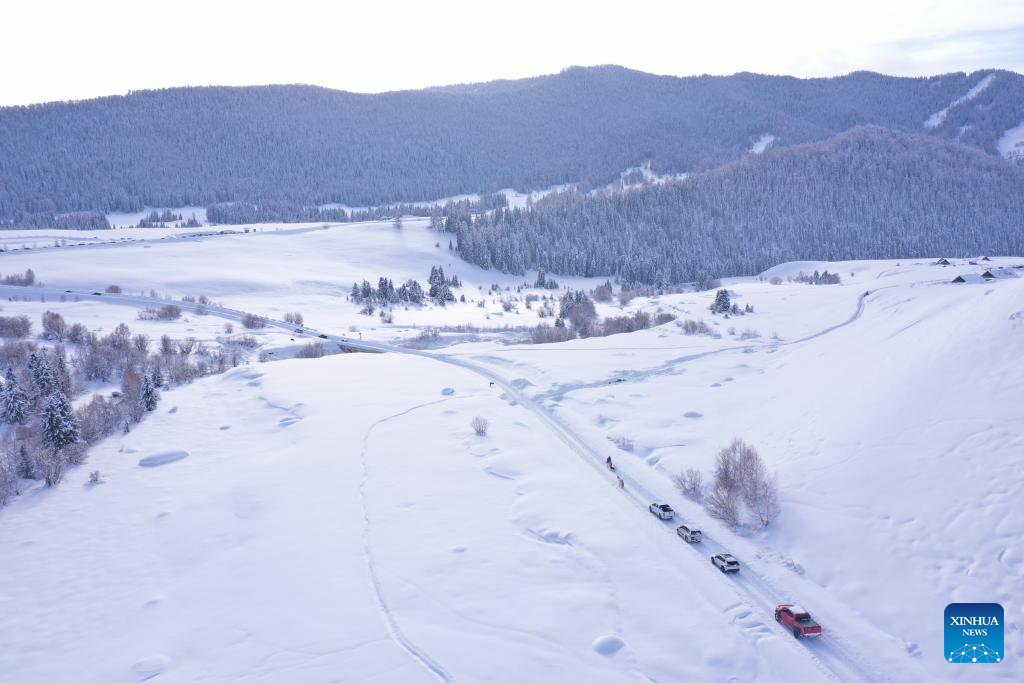
Why Hot Springs Pair So Well With Skiing
Skiing is hard on the body. A full day of turns loads the quads, calves and lower back, and cold muscles recover more slowly. Warm mineral water raises circulation, eases stiffness and helps you relax before sleep, which is when most of your recovery happens. A twenty-minute soak in the evening can noticeably reduce next-day soreness, letting you ski more days in a row without burning out.
There is a cultural bonus too. Soaking is a social ritual in Xinjiang’s ski towns, a relaxed way to swap stories about the day’s runs. It pairs naturally with the region’s food and warm hospitality, and many visitors treat it as the highlight of their après-ski in Xinjiang routine rather than an afterthought.
The main benefits for skiers
- Faster recovery: Improved circulation helps clear fatigue from working muscles.
- Better sleep: A warm soak before bed supports deeper rest.
- Warm-up and cool-down: A gentle way to loosen up on rest days.
- Family friendly: Pools suit non-skiers and children who want a relaxed afternoon.
What to Expect at a Xinjiang Hot-Spring Hotel
Facilities range from simple resort spas to purpose-built thermal complexes with multiple outdoor and indoor pools at different temperatures. Better properties offer private or semi-private pools, steam rooms, and treatment menus with massage that targets ski-weary legs. Outdoor pools set against snow are the classic experience, with the contrast between hot water and cold air being part of the appeal.
Standards vary, so read recent reviews and confirm what is included. Some hotels charge separately for spa access, while others build it into the room rate. If recovery is your priority, look for a property with genuine geothermal water rather than a heated swimming pool marketed as a spring. A relaxed base like this fits especially well into a longer plan; see how it can slot into a full Xinjiang ski trip itinerary.
Questions to ask before booking
- Is the water genuinely geothermal, and are there outdoor pools?
- Is spa access included in the room rate or charged separately?
- How far is the hotel from the ski lifts, and is a shuttle provided?
- Are private pools or family sessions available if you prefer more space?
Choosing the Right Location
The best hot-spring base depends on where you ski. Properties near the resorts around Urumqi make it easy to combine city amenities with quick access to the slopes, which suits shorter trips. In the north, thermal hotels near the Altay ski areas put you closer to the deep powder but further from the airport, so factor travel time into your plans. Deciding where to ski in Xinjiang first will narrow down which hot-spring hotels are worth considering.
Also think about how your accommodation connects to your travel logistics. If you are flying into the region and transferring onward, our advice on flight tips for Xinjiang skiing helps you line up arrival times with check-in and avoid a long cold transfer at the end of a travel day.
Types of Thermal Experiences You Will Find
Not every hot-spring hotel offers the same style of soak, and knowing the differences helps you pick a property that matches your trip. Large thermal complexes tend to have a network of outdoor pools at graded temperatures, sometimes with mineral additives, jet features and cold plunge pools for contrast bathing. These are lively, social places that work well for groups and families who want variety. Smaller boutique hotels lean the other way, with a handful of quiet pools, private cabins and a calmer atmosphere aimed at couples or skiers who simply want to unwind.
Some resorts also build indoor and semi-covered pools so you can soak comfortably even in a blizzard, while others make a feature of open-air bathing with unobstructed mountain views. If contrast therapy interests you, look for a property that pairs a hot pool with a cold plunge or snow room, because alternating hot and cold is a well-known technique for flushing tired legs. Reading the fine print on pool types before you book avoids the disappointment of arriving to find a single small tub when you expected a full thermal spa.
Common pool styles
- Graded outdoor pools: A series of pools at rising temperatures for a gradual warm-up.
- Private cabins: Enclosed pools for couples, families or anyone wanting privacy.
- Indoor thermal halls: Sheltered pools that stay usable in heavy snow or high wind.
- Cold plunge and snow rooms: For contrast bathing to boost recovery after a big day.
Making the Most of Your Soak
Hot-spring soaking is safe and restorative when done sensibly. Hydrate well before and after, since warm water and dry mountain air can dehydrate you quickly. Keep individual sessions to around fifteen to twenty minutes, then cool off and rest before going back in. Avoid soaking immediately after a large meal or any alcohol, and step out if you feel light-headed.
Time your soak for maximum benefit. A short session in the late afternoon loosens tired muscles, while a longer, calmer soak in the evening sets you up for good sleep. On rest days, a gentle mid-morning soak is a lovely way to recover without losing the mountain atmosphere. Treat the pools as part of your training routine and you will ski stronger across a multi-day trip.
Frequently Asked Questions
Are hot-spring hotels common near Xinjiang ski resorts?
Yes. Thermal and spa hotels are increasingly common near the main ski areas, especially around Urumqi and in the northern Altay region. Options range from resort spas to dedicated geothermal complexes with several outdoor and indoor pools.
Do hot springs really help with ski recovery?
Warm mineral water improves circulation and helps relax tired muscles, which can reduce next-day soreness and support better sleep. It is not a cure for injury, but as a recovery aid between ski days it is genuinely effective for most people.
How long should I stay in a hot spring?
Keep sessions to about fifteen to twenty minutes, then cool down and rest before returning. Drink plenty of water, avoid soaking straight after a big meal or alcohol, and get out if you feel dizzy or overheated.
Are hot-spring hotels suitable for families?
Many are. Pools at varied temperatures suit non-skiers and children, making a thermal hotel a good base when the group has mixed interests. Check whether family sessions or shallower pools are available before booking.
Should I book a hot-spring hotel for the whole trip or just a night?
Both work. Some skiers base their whole stay at a thermal hotel for daily recovery, while others book a night or two at the end of a trip as a treat. Match your choice to how close the property is to the slopes and how much daily soaking you want.