

Xinjiang’s appeal is its snow: deep, dry, and shockingly light, falling across remote ranges that still feel untouched by mass tourism. That very fragility is exactly why sustainable skiing in Xinjiang deserves real attention. The region sits far from most international airports, its resorts are comparatively young, and its local communities are only beginning to feel the full weight of visitors. Skiing here responsibly is not about giving up the trip or skipping the powder; it is about making choices that keep the slopes good for the next visitor and fair to the people who live next to them. This guide covers the realistic, low-effort ways to lighten your footprint without compromising the skiing, and none of it requires expensive gear or a degree in environmental science.
Understand the Carbon of Getting There
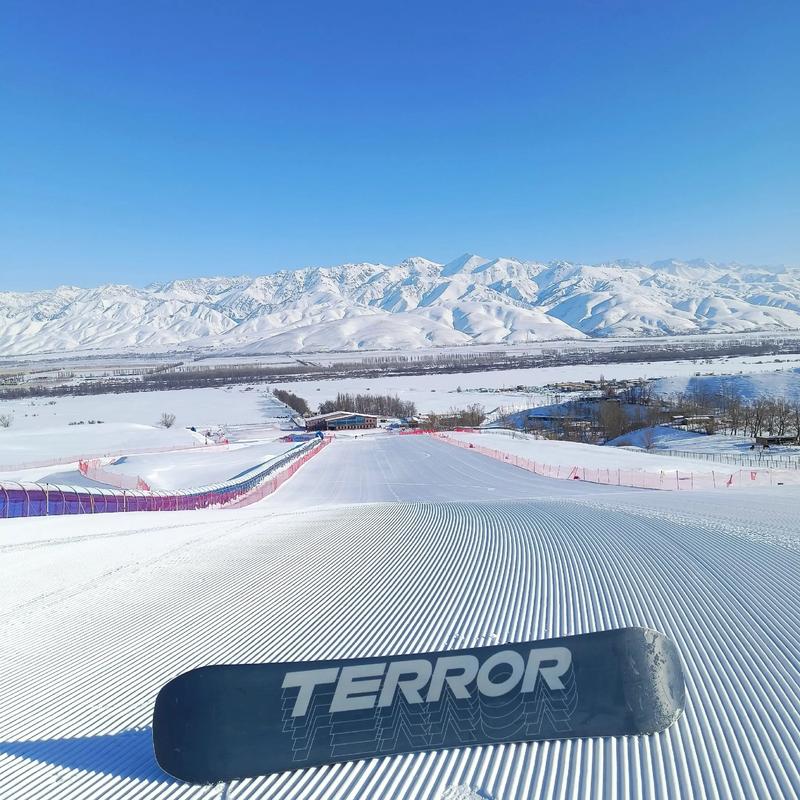
The single largest impact of any Xinjiang ski trip is the flight. Most foreign visitors connect through Beijing, Shanghai or Urumqi, and that long-haul leg dominates the trip’s emissions by a wide margin. You cannot erase it, but you can reduce repeat flights by skiing more days per visit rather than taking several short trips a year, which multiplies the travel footprint for the same time on snow. Once in the region, our train travel guide shows how to reach Altay by rail, which is far lower-carbon than a domestic flight and a calmer, more scenic way to arrive than another airport security line.
Choose Lodging and Food That Gives Back
Where you spend your money matters more than most travelers realize. Family-run guesthouses in Altay and the smaller resort towns keep far more of each yuan in the local economy than international chains, whose profits often leave the region entirely. Eating at Uyghur and Kazakh restaurants, buying from morning markets, and hiring local English-speaking guides all channel tourism dollars directly to residents. Ask whether your hotel sources food locally; many smaller properties do, and that choice cuts both transport emissions and your daily cost at the same time. A few extra minutes of research before you book is usually all it takes to shift your spend toward the people who actually live next to the mountain.
Respect Culture and Customs
Xinjiang is culturally distinct, and a responsible visitor learns a little before arriving rather than treating difference as a backdrop. Dress modestly in town, ask before photographing people, and learn a few greetings in Mandarin or Uyghur to show goodwill. Our ski terms glossary includes basic local phrases that go a long way when you are buying food or asking for directions. Religious sites and village customs deserve the same respect you would show at home, and small gestures of courtesy open doors that money alone cannot.
Protect the Snow and the Slopes
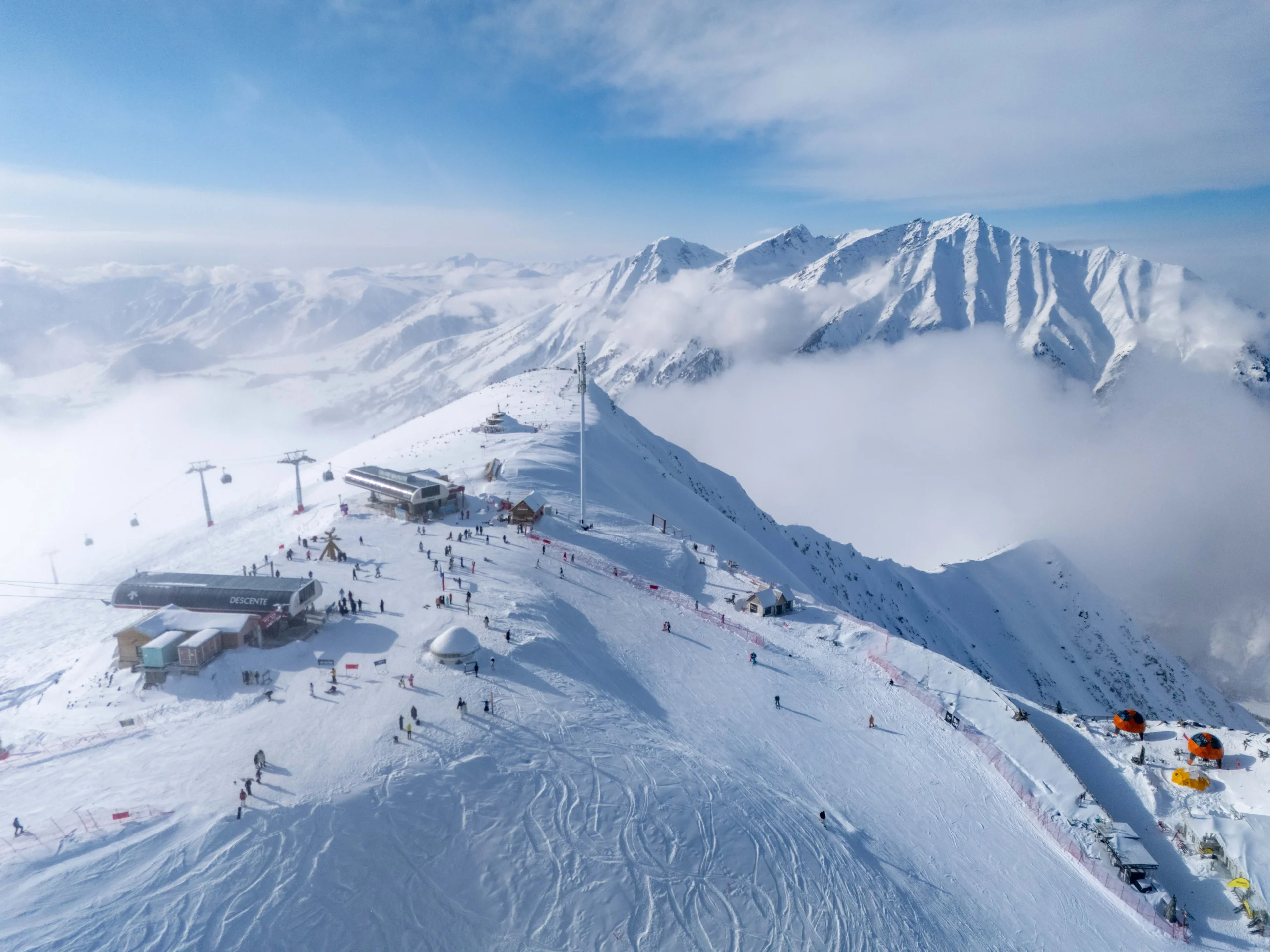
Stay on open, managed terrain, never litter on the mountain, and pack out what you bring up, because the dry climate means waste breaks down slowly and a dropped wrapper can outlast your holiday by decades. Xinjiang’s resorts are expanding fast, and uncontrolled backcountry traffic damages the very powder everyone travels for, so discipline on the hill is a form of stewardship rather than mere etiquette. Many areas also depend on limited water for snowmaking and village use, so long showers and wasted heat in lodges matter more here than they would at home. If you venture off-piste, take avalanche safety seriously and avoid skiing closed or protected zones, which are off-limits for good ecological and safety reasons alike.
Support the Birthplace of Skiing
Altay is widely regarded as one of the birthplaces of skiing, with a documented history of wooden skis used for hunting and travel across the snow. Supporting Altay’s fur-skiing heritage means choosing experiences that employ and honor local traditions rather than flattening them into generic resort entertainment. Small museums, heritage demonstrations, and community-led tours put real value on the culture itself, giving residents a concrete reason to preserve it alongside the growing network of lifts and lodges.
Cut Waste During the Trip
Simple habits add up more than people expect. Refill a bottle instead of buying plastic, carry a reusable shopping bag for market buys, and avoid single-use hand warmers where a good pair of mittens does the job. The high, dry sun is intense, so a refillable sunscreen routine beats disposable wipes and protects both your skin and the slope-side environment. None of this compromises the skiing; it simply trims the trail of trash you leave behind, and it costs you nothing but a little forethought.
Choose the Right Season
Timing your trip also affects impact. Peak holiday weeks draw the biggest crowds and the heaviest strain on local services, while shoulder weeks in early December or late March offer quieter slopes and the same snow for a fraction of the pressure on towns and lifts. You also avoid the surge pricing that makes budget travelers feel they must cut corners on responsible choices, and you are more likely to meet locals rather than only other tourists. If your schedule allows, skiing outside the busiest two weeks is better for the place and often better for your wallet, which removes the false choice between doing good and saving money.
Make It a Habit, Not a One-Off
The most sustainable trip is the one you take mindfully and then repeat, because returning to the same region builds relationships with local operators and spreads your impact more evenly than hopping to a new destination every season. Tell other travelers what worked, recommend the guesthouses and restaurants that treated you well, and give feedback when a resort could do better on waste or water. Tourism in Xinjiang is still young enough that visitor voices genuinely shape how it develops, and a responsible regular is worth more than a hundred passive guests who fly in once and never write a review. Small, consistent choices accumulate, and the resorts that listen to repeat visitors are the ones most likely to invest in cleaner operations over time.
Frequently Asked Questions
Is skiing in Xinjiang bad for the environment?
Like all skiing, it carries an impact, mostly from flights and resort energy. You can cut that impact by skiing more days per trip, using trains, and choosing local lodgings over large chains.
How can I support local communities directly?
Stay in family guesthouses, eat at local restaurants, hire local guides, and buy from markets rather than resort gift shops, where more of the margin leaves the region.
Are there eco-certified resorts in Xinjiang?
Formal eco-certification is still rare, but smaller, locally owned lodges generally have a lighter footprint than large properties. Ask about local sourcing and waste practices when you book.
What should I avoid to be a responsible skier?
Avoid littering on the mountain, skiing closed or protected zones, and photographing people without permission. Pack out everything you bring up, including food wrappers.
Does train travel really help the footprint?
Yes. Reaching Altay by rail instead of a domestic flight significantly lowers your trip’s carbon, and it is a more relaxed way to arrive after a long international flight.