

If your idea of a perfect ski day is untracked, waist-deep, squeaky-dry snow, then the question of the best ski resort in Xinjiang for powder has a clear, if layered, answer. Xinjiang’s snow quality is the region’s calling card — light, dry storms roll in from Siberia and pile into the kind of caches Hokkaido is famous for, but with a fraction of the crowds. The short version: the Altai wins on depth and dryness, and within it Cocoa Tuohai and Hemu are the standouts, with Jiangjunshan the easy city-connected entry point. This comparison sits within the Xinjiang ski resorts directory and the broader Xinjiang skiing plan for powder chasers who want the facts before they book a flight north.
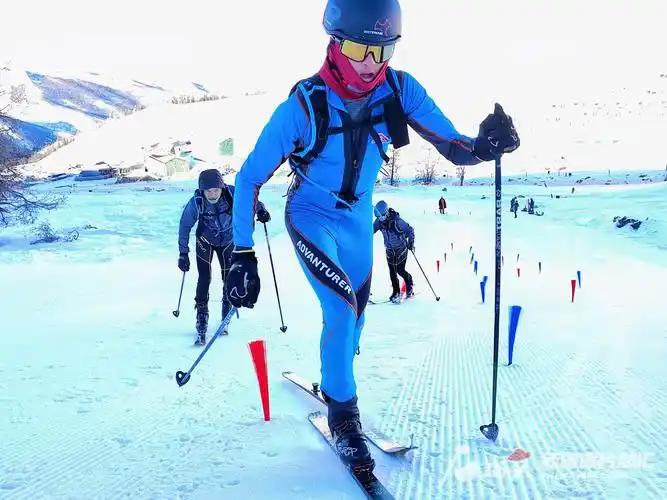
Why Xinjiang Snow Is Special
The key word is “dry.” Xinjiang’s continental climate means storms arrive with very little moisture content, so the snow that falls is feather-light and piles rather than packs. The Altai, sitting at the far northwest on the same latitude band as Hokkaido, gets the lion’s share of these Siberian fronts, while the Tianshan around Urumqi gets a little less and leans on snowmaking. The result is a snow-to-crowd ratio that few places on earth can match — you can ski a powder morning and never cross another track, which is the quiet luxury that keeps dedicated riders coming back to the region year after year.
The Contenders
Three hills dominate the powder conversation:
- Cocoa Tuohai ski resort — the deepest snow and biggest vertical of the Altai, with dramatic canyon scenery and serious terrain.
- Hemu village skiing — backcountry access and Tuva-cabin atmosphere, with equally deep snow and unforgettable views.
- Altai Jiangjunshan ski resort — the city-edge hill; less vertical but the easiest way to sample Altai powder without a remote base.
The Tianshan hills near Urumqi — Silk Road, Tianchi, Sun Mountain — are groomer country: great snow, reliable, but not the deep-powder destination the north is, and best saved for convenience and family days.
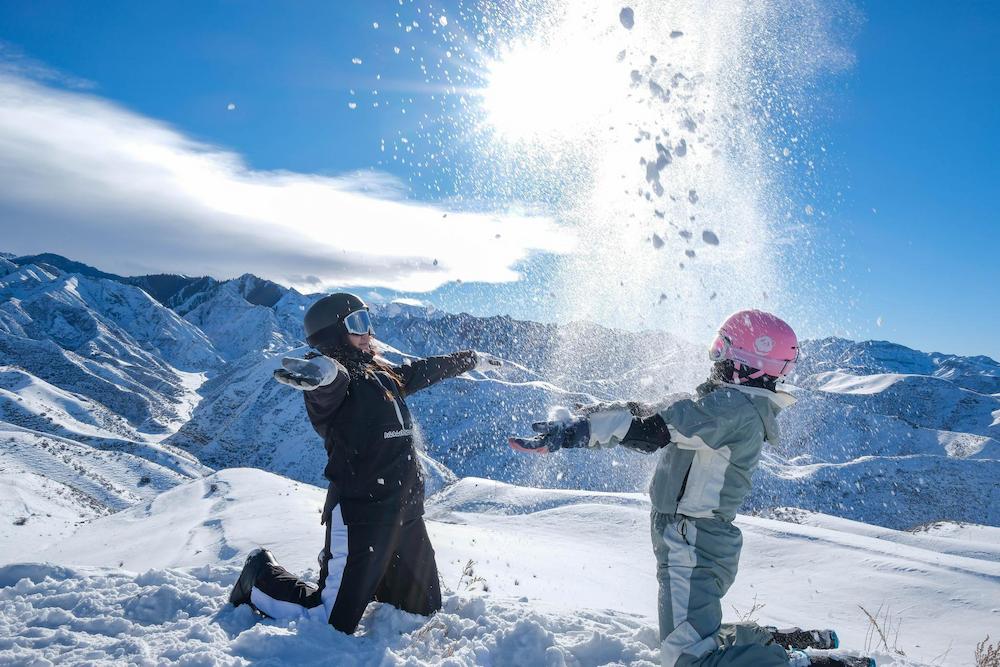
Cocoa Tuohai: The Powder King
If you force me to name one resort, Cocoa Tuohai is the powder king. Its canyon setting and higher elevation catch the biggest dumps, and the terrain — from open bowls to gladed pitches — lets you use the depth. The vertical is the largest in the cluster, so a powder day here means real mileage, not just a few hero turns. The trade is logistics: it is a couple of hours from Altay city and has less English support, so plan the transfer and consider a guide. For serious riders, that effort is the whole point, and the silence at the top of the canyon after a fresh fall is the kind of reward that no lift queue can ever take away from you.
Hemu: Powder With a View
Hemu matches Cocoa Tuohai on snow quality and adds atmosphere. The village’s backcountry and sidecountry hold deep, dry caches, and skiing the frozen river or the gladed slopes above the cabins is unforgettable. The catch is that Hemu is a village, not a lift megaplex — the lift-served terrain is modest, and the deep stuff is earned with a skin or a guide. If you want powder and a place as much as a mountain, Hemu edges ahead, because the memory of the cabins under first light stays with you long after the snow has melted and the season has closed for another year.
Jiangjunshan: The Easy Entry
Not everyone wants a backcountry expedition. Jiangjunshan delivers a genuine taste of Altai powder right on Altay city’s edge, with the convenience of a city base and strong night skiing. The vertical is modest and the sidecountry is the limit of the adventure, but for a first northern trip or a short stay it is the smart, low-commitment way in. Many powder chasers use it as day one, then push to Cocoa Tuohai and Hemu for the real thing once they have felt the snow and understood the rhythm of a northern winter here.
How the Regions Compare
For powder, the ranking is clear: Altai first (Cocoa Tuohai and Hemu at the top), then Jiangjunshan as the easy intro, with the Tianshan a distant fourth on depth but first on convenience. The Altay city ski resorts guide explains how to chain the northern hills into one powder-focused trip. If your priority is deepest snow above all, fly north and do not look back, because no amount of Tianshan grooming will ever reproduce the dry, deep caches that the Altai lays down after a single Siberian front moves through.
Powder Etiquette and Terrain Safety
Deep snow is forgiving on the joints but demanding on judgement. After a big Altai dump the sidecountry and backcountry fill with untriggered slabs, so never duck a closure or ski alone beyond the marked runs. Carry a beacon, probe and shovel if you tour, tell someone your plan, and consider a licensed guide for your first northern lines — the locals know which aspects hold and which release. On the hill, give other riders space to find their own fresh track, and resist the urge to hike the boundary after a long travel day when fatigue clouds decisions. The reward for that discipline is simple: untracked powder that stays safe, silent, and yours for the taking, day after day, across a season that the rest of the skiing world quietly envies from afar.
Planning a Powder Trip
- Target January–February for the deepest, most reliable base across both the Altai hills and the wider region.
- Fly to Altay; base in the city and day-trip to Cocoa Tuohai and Hemu without changing hotels.
- Book transfers and any guide in advance — the north is remote and peak weeks fill the limited slots.
- Bring real cold-weather gear; clear nights hit minus 30 and the dry cold is deceptively sharp on a chairlift.
- Keep a rest day; storms are short and a buffer costs you nothing but a relaxed hot-spring afternoon.
- Ski Jiangjunshan at night at least once — lit powder under the stars is a rarity worth staying up for.
Frequently Asked Questions
Which Xinjiang resort has the best powder?
Cocoa Tuohai, for depth and vertical, with Hemu a close second for snow plus scenery. Jiangjunshan is the easy city-connected entry point for first-timers to the north.
Is the Altai really better than the Tianshan for powder?
Yes — the Altai gets deeper, drier snow and holds it longer. The Tianshan is groomer country with reliable snowmaking but less true, untracked powder for the dedicated rider.
When is the best time for powder?
January and February deliver the deepest, most reliable base across the Altai, and a well-timed storm in either month can be the ski day of a lifetime.
Do I need backcountry skills for Xinjiang powder?
No. Cocoa Tuohai and Jiangjunshan have lift-served powder; backcountry is optional and best with a licensed guide who knows the local snow and terrain.
Can beginners find powder in Xinjiang?
Yes — after a fresh Altai storm even the gentle slopes at Jiangjunshan hold light snow. Deeper, steeper terrain suits stronger skiers who want to use the full depth.
How do I combine the powder resorts?
Base in Altay city and day-trip north; the northern routing is covered in the Altay city resorts guide. It is not a day trip from Urumqi, so plan it as its own leg.