

One of the most underrated joys of a ski trip to Xinjiang is the food. Unlike almost any other major ski destination in the world, Xinjiang offers halal cuisine as the default rather than the exception. The region is home to Uyghur, Kazakh, Hui, and other Muslim communities, which means that from the base lodge to the smallest village eatery, halal options are everywhere. For Muslim skiers, this removes one of the biggest sources of travel stress. For everyone else, it is simply an invitation to eat extremely well. This guide explains where to find halal food at and around the major Xinjiang ski resorts, which dishes you should not miss, and the practical details that make dining smooth in winter.
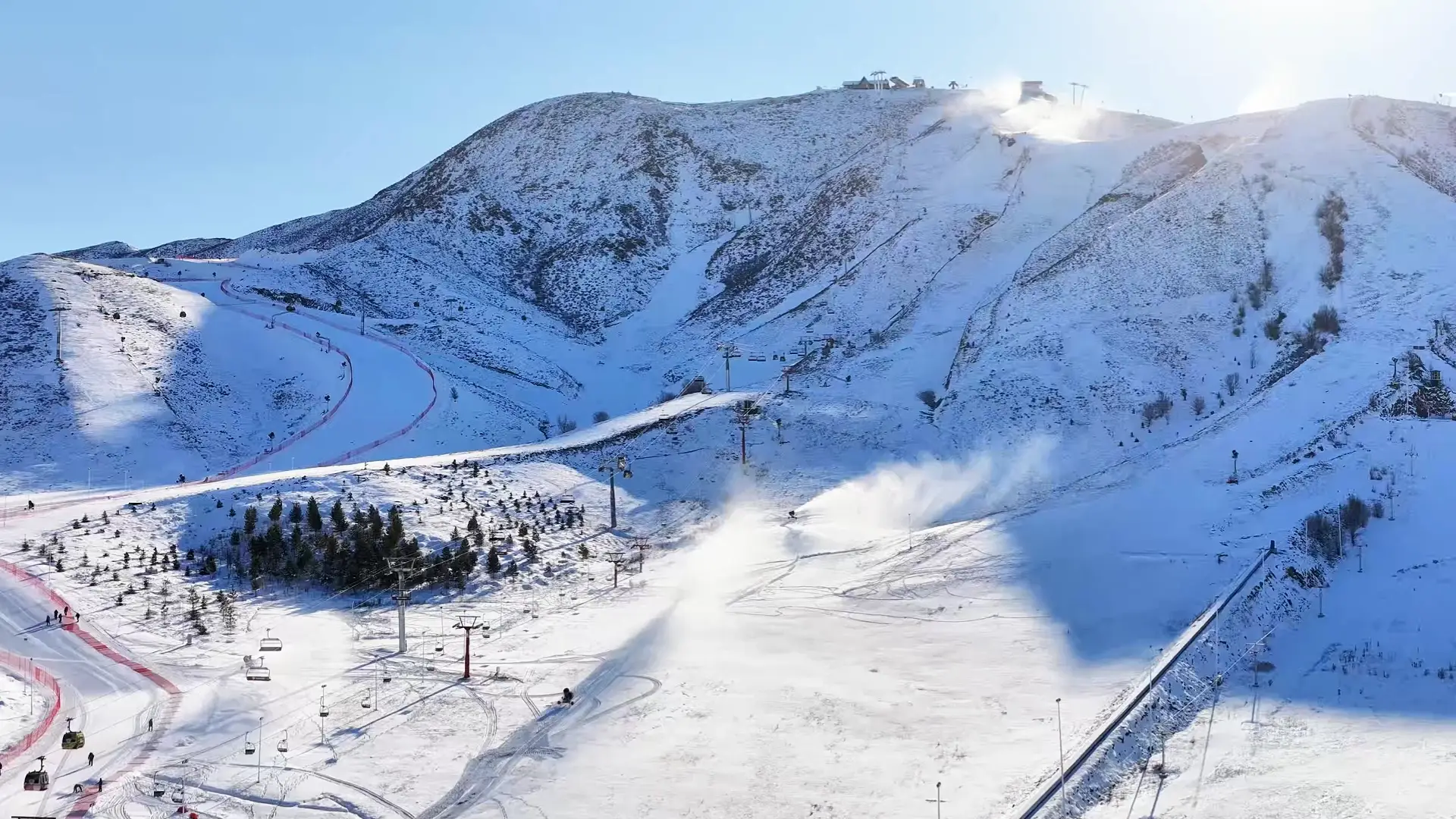
Why Xinjiang Is a Halal-Friendly Ski Destination
In most international ski towns, halal travelers must research restaurants carefully, carry snacks, or settle for seafood and vegetarian dishes. Xinjiang flips this dynamic completely. Roughly half the population of the region is Muslim, and in the northern ski areas around Altay, Kazakh and Hui food culture dominates. The Chinese characters for halal are 清真 (qingzhen), and you will see them on signs across Urumqi, Altay, and Burqin. Many restaurants do not even need the sign, because the entire establishment, from the kitchen to the supply chain, operates halal by tradition.
Practically speaking, this means a Muslim skier can land in Urumqi, ride the lifts all week, and never once worry about cross-contamination or hidden pork ingredients. Lamb, beef, chicken, and horse meat are the staples, always slaughtered according to Islamic practice in halal-certified establishments. Alcohol is available in some venues but is easy to avoid, and many local restaurants do not serve it at all.
Halal Dining at the Major Ski Resorts
Jiangjunshan Ski Resort (Altay City)
Jiangjunshan sits directly above Altay City, which gives skiers a huge advantage: instead of being trapped with overpriced resort food, you can ride down and be surrounded by hundreds of halal restaurants within minutes. The resort’s own cafeterias serve halal-friendly staples such as hand-pulled noodles, lamb skewers, and rice dishes. In the evening, head into the city for Kazakh restaurants serving horse meat sausage and fresh naan. Our full Jiangjunshan ski resort review covers the mountain itself in detail.
Silk Road Ski Resort (Urumqi)
Silk Road International Resort, about an hour from Urumqi, has a larger and more commercial food scene. The base area food court includes halal counters clearly marked with 清真 signage, serving big plate chicken, beef noodle soup, and pilaf. Urumqi itself, where most skiers stay at least one night, is one of the great halal food cities of Asia. The Grand Bazaar district alone could fill a week of eating. See the Silk Road ski resort guide for logistics.
Cocoa Tuohai and the Smaller Areas
At Cocoa Tuohai (Koktokay), dining is simpler but still reliably halal. The nearby town has family-run Kazakh restaurants where a steaming bowl of noodle soup after a cold powder day feels like a small miracle. Portions are generous and prices are far below what you would pay at any comparable ski destination in Japan or Europe.
Must-Try Halal Dishes After a Ski Day
Skiing at altitude in dry, cold air burns serious calories, and Xinjiang cuisine seems purpose-built for refueling. These are the dishes every visiting skier should try at least once:
- Laghman (拉条子): Hand-pulled noodles stir-fried or served in sauce with lamb, peppers, and tomatoes. The single best post-ski meal in the region.
- Kawap (烤肉): Cumin-dusted lamb skewers grilled over coals. In winter, vendors grill outdoors even at minus twenty, and the meat tastes better for it.
- Polo (抓饭): Uyghur pilaf of rice, carrots, raisins, and tender lamb cooked in one giant pot. Heavy, warming, perfect.
- Da Pan Ji (大盘鸡): Big plate chicken — a spicy braise of chicken, potatoes, and peppers over wide belt noodles. One order feeds two or three hungry skiers.
- Naan (馕): Fresh tandoor-baked flatbread, sold everywhere for a few yuan. Ideal to carry in a jacket pocket for chairlift snacks.
- Samsa (烤包子): Baked lamb dumplings with crisp tandoor crusts, best eaten scalding hot.
- Kazakh milk tea: Salty, buttery, and served endlessly in Altay homes and restaurants. It replaces electrolytes better than any sports drink.

Halal Food in Altay Town and Hemu Village
Altay’s old commercial streets are lined with halal restaurants ranging from tiny noodle shops to large banquet-style Kazakh venues. A filling dinner for two rarely exceeds 100 to 150 RMB. If your itinerary includes the wooden villages of the Kanas region, food becomes more rustic: expect boiled lamb, homemade noodles, dried dairy snacks, and milk tea in guesthouses. Most Tuvan and Kazakh family kitchens in Hemu operate halal by default, but if certainty matters to you, a simple question — “Qingzhen ma?” — settles it. Skiers heading that way should read our Altay town ski guide for where to stay and eat.
Practical Tips for Muslim Skiers
- Look for 清真: The two-character sign appears on windows, menus, and delivery apps. Green signage with Arabic script is also common.
- Use delivery apps: Meituan and Eleme both let you filter halal restaurants, useful on storm days when you would rather not leave the hotel.
- Prayer facilities: Urumqi and Altay have mosques, though access policies can vary; hotel rooms are the most reliable place for daily prayers. Carry a compass app for qibla direction.
- Ramadan travel: The ski season (November to March) currently does not overlap Ramadan, but restaurant hours in Muslim districts may shift in future years as dates move earlier.
- Breakfast planning: Hotel buffets in Urumqi usually include halal sections. Smaller Altay hotels often serve fully halal breakfasts of naan, eggs, porridge, and milk tea.
- Cash and payments: Small halal eateries may prefer WeChat Pay or Alipay over cards; set these up before arrival.
Sample Halal Food Day at Jiangjunshan
Here is how a well-fed ski day in Altay might look. Breakfast: naan, boiled eggs, and milk tea at your hotel at 08:30. Mid-morning: pocket naan on the gondola. Lunch: laghman and lamb skewers at the resort cafeteria around 13:00, after the best morning corduroy is tracked out. Après: hot Kazakh milk tea and samsa in Altay town at 17:30. Dinner: big plate chicken with friends at 20:00, followed by dried fruit and walnuts from the night market. Total food spend: roughly 150 RMB per person — less than a single mediocre burger at many Western resorts. For more on evening options around the slopes, see our guide to après-ski in Xinjiang.
Frequently Asked Questions
Is all food in Xinjiang halal?
No, but a very large share is. Han Chinese restaurants serving pork exist in every city, so always look for the 清真 (qingzhen) sign or ask. In Uyghur and Kazakh neighborhoods and around the Altay ski areas, halal is the overwhelming norm.
Do ski resort restaurants in Xinjiang serve halal food?
Yes. Jiangjunshan, Silk Road, and Cocoa Tuohai all have halal dining options on-site, typically marked counters or dedicated restaurants. Base villages and nearby towns expand the choices dramatically.
Is it easy to avoid alcohol at Xinjiang ski resorts?
Very easy. Many local restaurants serve no alcohol at all, and tea is the default drink. Larger resort hotels do have bars, but there is no drinking culture pressure comparable to European après-ski.
What should vegetarian skiers eat in Xinjiang?
Vegetarians can rely on vegetable laghman, tofu dishes, naan, rice, dumplings with vegetable fillings, and excellent dried fruit and nuts. Clarify “no meat” (bu yao rou) clearly, as broths are often lamb-based.
How much should I budget for food on a Xinjiang ski trip?
Around 100 to 200 RMB per person per day covers three generous meals plus snacks. Splurging on a Kazakh feast or hotel buffet might push a single dinner to 150 RMB per person, still cheap by global ski standards.