

Xinjiang is quietly becoming one of the best-kept secrets of global powder skiing. Tucked into China’s far northwest, the region’s Altai mountains receive steady, dry snowfall that creates the kind of light, fluffy Xinjiang skiing conditions serious riders dream about. This guide explains where to find the best powder, when to go, and how to prepare for a backcountry and resort experience that rivals more famous destinations – without the lift lines and the price tags that come with them.
Why Xinjiang Powder Is Special
The powder here is different from the heavy, wet snow found in maritime climates. Because Xinjiang sits deep in the continent, the air is dry and cold, producing snow with low moisture content. The result is a floaty, forgiving surface that feels effortless to turn in. Many visitors who try backcountry powder skiing in Xinjiang say it reminds them of the best days in Japan or the Rockies – without the crowds. The snow also tends to stay light for longer after a storm because the cold temperatures slow the settling and freezing process that turns fresh powder into crust elsewhere.
Best Time for Powder
The prime window runs from mid-December through February. January is usually the deepest and most reliable month, with cold temperatures keeping the snow fresh for days after a storm. Check the best time to ski in Xinjiang for a fuller breakdown, but if powder is your goal, plan around the heart of winter and watch local storm cycles. Early December can be hit-or-miss as the base builds, while late February sometimes brings the occasional warm spell, so January remains the safest bet for consistent quality.
Storm Timing
Following a fresh snowfall by a day or two often gives the best ride: enough accumulation to float on, but settled enough to be safe. Local weather patterns in the Altai can dump significant snow in a single night, so flexibility in your schedule pays off. A good habit is to watch the forecast for three days out and keep one rest day buffered in case a big storm rolls through and you need to wait for avalanche risk to drop.
Where to Find the Best Powder
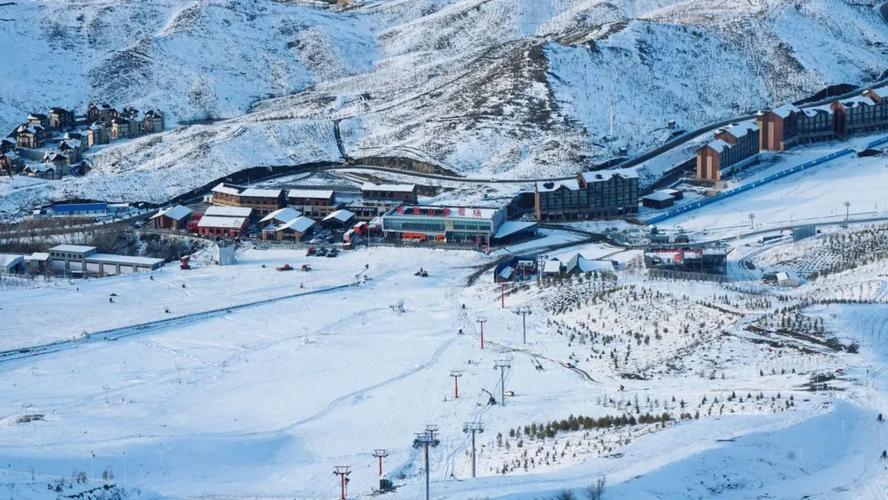
Several areas stand out. The resorts near Altay and Jiangjunshan offer groomed access to powder fields, while nearby backcountry zones attract experienced freeriders. Use the where to ski in Xinjiang overview to map your options, from lift-served slopes to guided off-piste terrain. Each zone has its own character: some are wide-open bowls perfect for big turns, others are tree runs that shelter the snow and keep it protected from wind and sun.
Resort vs Backcountry
Resorts give you lifts, safety, and convenience – ideal if you want powder without the risk. Backcountry demands avalanche training, partners, and proper gear, but rewards you with untouched lines. Both are covered in the Xinjiang ski weather and snow resources that help you read conditions before heading out. Many riders do a hybrid trip: a few guided backcountry days balanced with resort days to rest legs and enjoy the infrastructure.
Preparing for Powder Days
Wide skis or a floaty snowboard help you stay on top of the snow. Layering for extreme cold is essential, and goggles with good contrast make a huge difference on flat-light days. The Altai birthplace of skiing region is steeped in ski heritage, but modern powder days still require modern preparation and respect for the mountains. Don’t forget spare gloves, a thermos, and a small daypack with water – dehydration is easy to ignore in cold air but slows you down fast.
Powder Technique Tips for Newcomers
If you usually ski groomed runs, powder takes a small adjustment. Keep your weight centered and let the skis float rather than driving hard edges as you would on ice. A slightly wider stance helps balance in uneven snow, and keeping a relaxed upper body lets the skis follow the terrain. Resist the urge to sit back; leaning too far rearward makes the tips dive and leads to face-plants in deep snow. Most riders improve dramatically after just a day or two, so consider a lesson focused on off-piste technique early in your trip. The reward is a surf-like sensation of floating through clouds of cold smoke that keeps powder addicts coming back.
Safety and Etiquette
Powder skiing, especially off-piste, carries real risk. Always ski with a partner, carry a beacon, shovel, and probe in the backcountry, and consider a local guide for unfamiliar terrain. Respect closures and other riders, and never venture beyond your ability or training. Good etiquette also means not cutting across someone’s line, waiting your turn at the rope drop, and packing out everything you bring in so the slopes stay pristine.
Gear Checklist for a Powder Trip
Beyond wide skis or a fat board, a few items make powder days far more enjoyable. A backpack holds water, snacks, spares, and your safety gear. Quality goggles with a low-light lens handle the flat conditions that are common after a storm. Helmets are standard even in the backcountry, and a small avalanche airbag can add a margin of safety on big descents. Don’t overlook simple comforts: spare gloves, a neck gaiter, and hand warmers turn a bitterly cold day into a manageable one, especially on long lifts or hike-to terrain.
Getting There and Staying
Most international visitors fly into Urumqi, the regional hub, then transfer by road to the Altai resorts. The drive is long but scenic, and many travelers break it up with a night in a smaller town. On-mountain lodging is limited and books out during peak powder weeks, so reserve early if you want to ski first tracks. Staying close to the lifts also means you can rest between runs and head out again after a fresh dump without a tiring commute in the cold.
Frequently Asked Questions
When is the best powder in Xinjiang?
Mid-December through February, with January typically the deepest and most reliable month for dry, light snow. Plan around storms for the freshest lines.
Is Xinjiang good for beginner powder skiers?
Yes, at resorts. Groomed powder fields and ski schools make it approachable, while backcountry should wait until you have experience and training. Start on-piste to build confidence.
Do I need a guide for backcountry powder?
Strongly recommended for first-timers. A local guide improves safety and helps you find the best lines without the risk of getting lost or caught in avalanche terrain.
How cold does it get for powder skiing?
Very cold – often well below freezing in January. Dress in layers, protect extremities, and watch for frostbite on long lift rides or hikes. Hand and toe warmers are worth carrying.
How does Xinjiang powder compare to Japan?
It’s similarly light and dry, but with far fewer crowds and a more remote, wild feeling. The Xinjiang skiing scene is still emerging, which is part of its appeal for travelers seeking something different from the famous resorts of Hokkaido.
Is a Xinjiang powder trip expensive?
It is generally more affordable than a comparable trip to Japan or the Alps, especially for lift tickets and local food, though international flights and guided backcountry days add to the total. Booking early and traveling outside the Spring Festival week keeps costs down.