

If there is one reason serious skiers put backcountry skiing Xinjiang on their list, it is the Altai. This far-north corner of the region sits on the same latitude band as Hokkaido but receives storms rolling straight off Siberia, dropping light, dry powder that piles into waist-deep caches. For riders chasing untracked snow and big, quiet landscapes, the Altai is the real prize. This guide covers where the powder is, how to access it safely, and how to build a trip that gets you into the deep stuff without the risks that catch the unprepared. It sits naturally alongside our Xinjiang Skiing Guide for overall planning and the wider picture before you fly.
Why the Altai Powders So Well
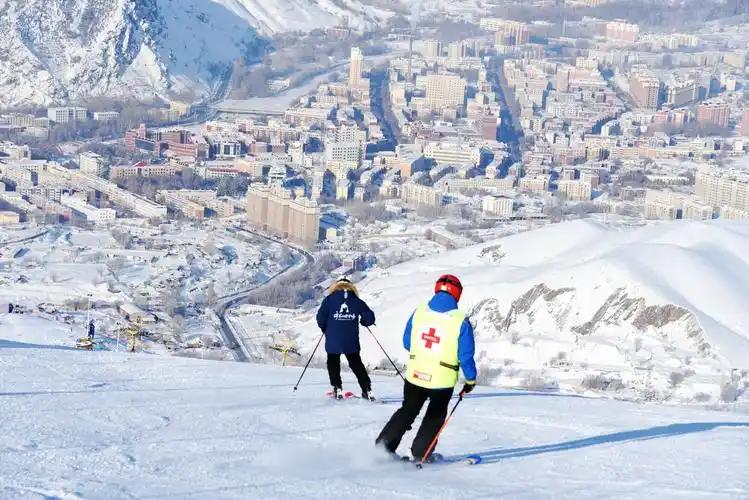
The snow quality comes down to geography and weather. Cold Siberian fronts arrive loaded with moisture but little warmth, and as they rise over the Altai they dump snow that is famously dry — the kind that squeaks under your skis and floats you on top. Because the region is sparsely populated and the resorts are small, the off-piste adjacent to marked runs often stays untracked for days after a storm. That is the draw: you can earn your turns with a short skin or hike and still be back for a hot lunch. The best powder ski resort in Xinjiang comparison ranks the hills by how much deep snow they hold, and the Altai entries sit at the top of that list for good reason that any visitor can feel on the first run.
Where to Find the Good Snow
Three areas dominate the backcountry conversation. Cocoa Tuohai (Keketuohai) has the biggest vertical and the most dramatic canyon scenery, with sidecountry that fills in deep after a front. Hemu village is the slow, scenic option — Tuva wooden cabins, frozen rivers, and tree-skiing that feels world’s away from any resort. Jiangjunshan, on the edge of Altay city, is the easy on-ramp: modest terrain, but powder within a short hike of the lifts. For a regional overview of access and atmosphere, the where to ski in Xinjiang guide maps the Altai against the Tianshan so you can decide which cluster matches your appetite for adventure and comfort before committing to a base town for the week.
In-Bounds, Sidecountry, and True Backcountry
It helps to separate three kinds of powder here. In-bounds off-piste is the ungroomed terrain inside resort boundaries — patrolled and relatively safe, the right place to build confidence. Sidecountry means you exit the gate, ski powder, and return to the lift system, often with a short climb; still resort-connected but unpatrolled. True backcountry is everything beyond, reached by touring skins or a long hike, with no ski patrol and real avalanche exposure. Most visitors should start with in-bounds and sidecountry, and only consider true backcountry with a qualified guide and proper training. Knowing which category a line falls into is the single most important habit a visiting powder skier can build in the Altai, and it keeps the fun from turning into a rescue scenario.
Safety Cannot Be Optional
The flip side of empty powder is empty rescue. Off-piste terrain in Xinjiang is not patrolled the way European resorts patrol, and an injury or a slide far from a lift is a serious situation. Every backcountry skier should carry — and know how to use — a transceiver, probe, and shovel, and should check the local avalanche picture before heading out. Never ski alone, tell someone your plan, and respect closure signs even when the snow looks perfect. Ski safety and altitude awareness is required reading, and the off-piste & freeride guide digs into technique and terrain choices for confident riders who want to push past the resort gates responsibly and return with a story rather than a scar.
Guides and Tours
For visitors, the smartest way into Xinjiang’s powder is a licensed guide. Local guides know which aspects hold snow, where the hidden cliffs are, and how to read the day’s conditions — knowledge that turns a risky gamble into a great run. Several operators run hut-to-hut and resort-side touring days out of Hemu and Cocoa Tuohai, and a guide also bridges the language gap for weather briefings and lift logistics. If you want the helicopter option for ultimate untracked access, the heli-skiing in Xinjiang option explains what exists and what it costs, and whether it fits a first backcountry trip or belongs later once you have learned the snow up close on your own skis with a partner you trust.
Gear for the Deep Stuff
Powder rewards wider skis and a relaxed stance, and most rental shops in the Altai stock fat skis for the season. If you tour, you need skins, a pack, and the safety kit above; if you stay in-bounds, a modern all-mountain or powder ski plus your normal boots is plenty. Xinjiang ski equipment rental covers what each area stocks. Whichever you choose, keep electronics warm and carry water — the dry cold dehydrates you faster than you notice, and a tired, thirsty skier makes the kind of late-day mistakes that matter most on steep, ungroomed terrain far from the base lodge and its warm cans of tea.
When the Powder Is Best
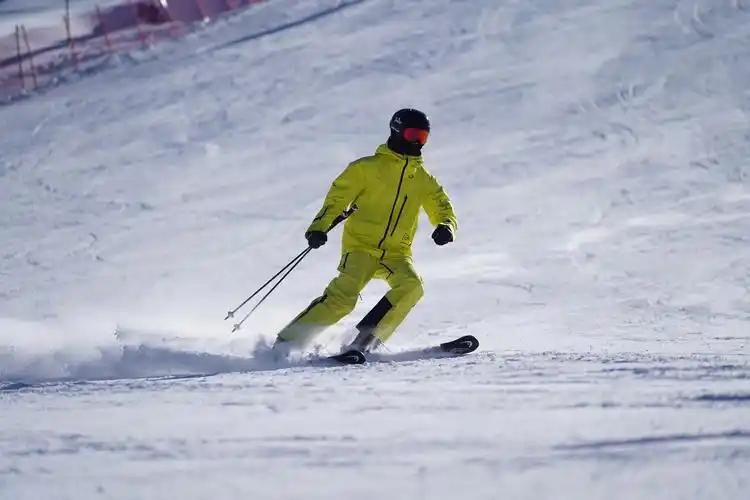
Timing is everything. The deepest, most reliable base runs January into February, right after the big Siberian fronts; this is also the coldest window, so dress for minus-25 mornings and keep spare batteries in an inside pocket. March is the sleeper: still plenty of snow up high, far warmer, and almost empty midweek, which makes it the favourite of locals who know the rhythm. The best time to ski in Xinjiang guide maps the month-by-month picture so you can plan a trip around a storm cycle rather than hoping one arrives, and so you can book the right accommodation for the cold you are signing up for.
Building a Powder Trip
- Fly into Altay and base in the city or Hemu depending on your pace and your budget for the week.
- Book the first days as in-bounds off-piste to read the snow, the light, and your own fitness honestly.
- Hire a guide for at least one sidecountry or touring day so you learn the terrain safely from a local.
- Keep a rest and storm buffer — a whiteout day is a hot-spring day, not a lost day, if you planned for it.
- Respect altitude and cold; the empty slopes are only fun if you are warm, fuelled, and skiing within your ability.
That structure gets most visitors into genuine deep powder without biting off more than they can handle, and it leaves room for the kind of spontaneous perfect run that is the whole reason people travel this far north to begin with.
Frequently Asked Questions
Is the Altai powder really as good as Japan?
Similar dryness and depth, with far smaller crowds and lower prices. The trade-off is less infrastructure and English support, so plan accordingly and book guides early.
Can a strong intermediate ski the backcountry here?
In-bounds off-piste and easy sidecountry, yes. True backcountry needs touring skills, safety gear, and ideally a guide regardless of your resort ability and confidence.
Do I need my own avalanche gear?
You need it for any unpatrolled terrain. Bring your own or arrange it through a guide; never enter the backcountry without transceiver, probe, and shovel.
Which resort has the best powder access?
Cocoa Tuohai for vertical and depth, Hemu for scenery and tree-skiing, Jiangjunshan for convenience. See the powder resort comparison for the full ranking.
Is heli-skiing available in Xinjiang?
Limited operations exist; the heli-skiing guide covers what is on offer and what it costs for the ultimate untracked day with minimal effort and maximum vertical.
How cold does it get on a powder trip?
Altai mornings can hit minus 30°C in January. Dress for it, keep batteries warm, and the cold becomes a non-issue you stop thinking about by the second run.