

The single most common planning question I get is also the one with the clearest answer: the best time to ski in Xinjiang is mid-January through February. That is when the snow base is deepest, the cold is stable, and every resort is fully open. But “best” depends on what you want — powder, low prices, or mild weather. This month-by-month guide, built from several winters on the ground, tells you exactly when to book, and pairs with the Xinjiang ski season overview and the Xinjiang Skiing Guide.
The Season at a Glance
The season runs late November to early April, but it is not uniform:
- Late Nov – early Dec: resorts open, but snow base is still building. Cheap, quiet, sometimes thin cover at lower resorts.
- Mid-Dec – late Dec: snow solidifies; pre-holiday calm before domestic New Year crowds.
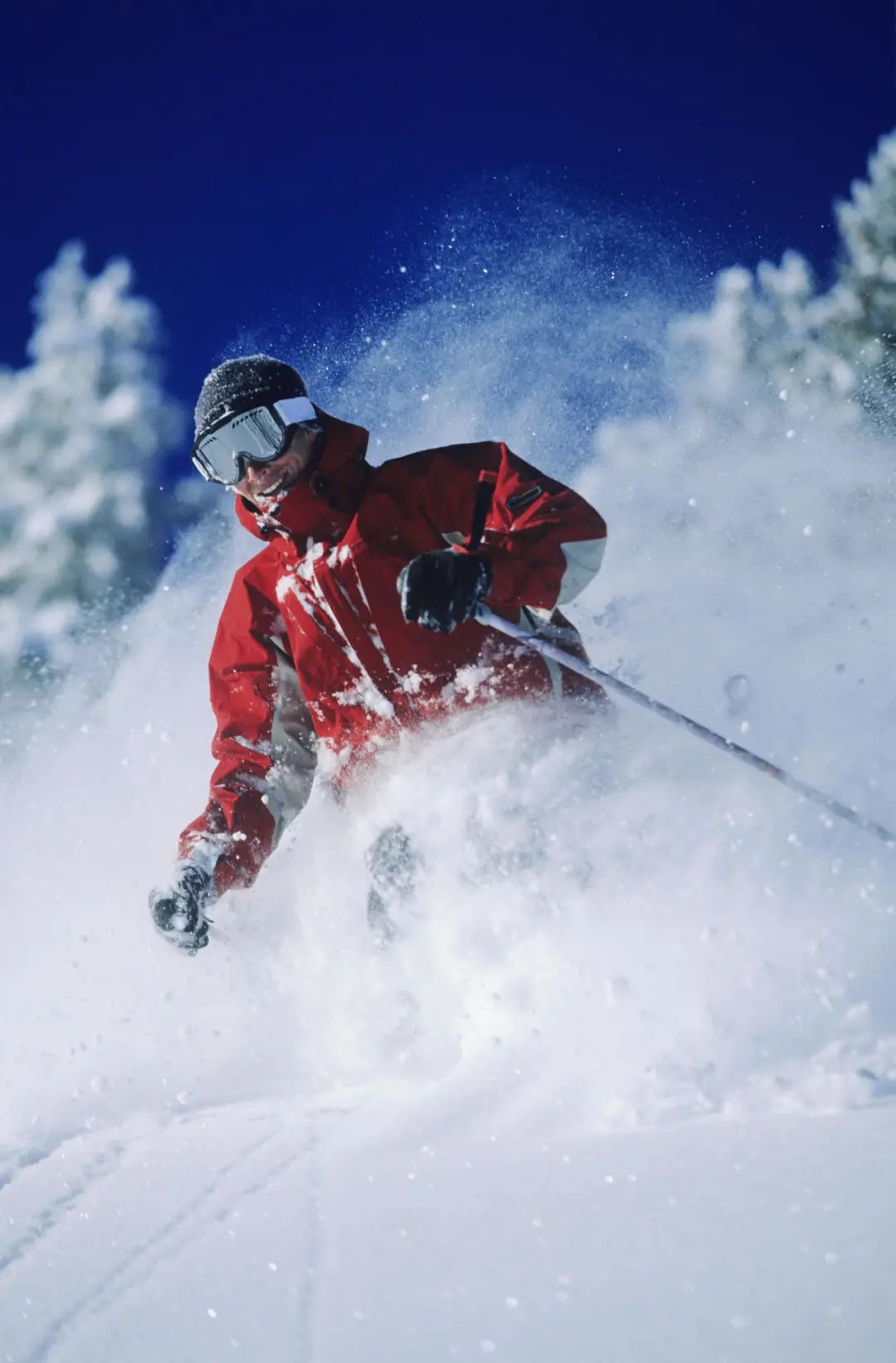
- January: peak powder. Cold (often minus 20 to minus 30 in the Altai) but bluebird days are common.
- February: still deep snow, slightly milder, prime month overall.
- March: softening snow, longer days, fewer crowds — great for families and beginners.
- Early April: spring skiing; higher resorts only; lower ones close.
A Closer Look Month by Month
The overview is useful, but the detail is where plans are made. November is for deal-hunters and locals only — openings are tentative and cover thin. December is when the season properly begins: by mid-month the higher Altai slopes (Cocoa Tuohai, Hemu) hold real depth, and the Tianshan hills are open on snowmaking. January is the powder month but also the cold month; if you ski the Altai in early January, expect minus-30 mornings and dress for it. February is the sweet spot — deep base, more forgiving temperatures, and the post-holiday lull between Chinese New Year and the spring crowds. March is the sleeper gem: still plenty of snow up high, far warmer, and almost empty midweek. April is for the highest resorts and the spring-ski mindset, not for first-timers banking on a full mountain.
Regional Differences
The Altai and the Tianshan do not open and close on the same clock. The north (Altay, Cocoa Tuohai, Hemu) holds snow longest thanks to colder air, while the Tianshan resorts around Urumqi (Urumqi ski resorts) open a touch earlier and rely more on snowmaking. If you want the widest choice, February is safest for both, and it is the window our best time to visit Xinjiang ski resorts guide recommends.
Weather You Should Expect
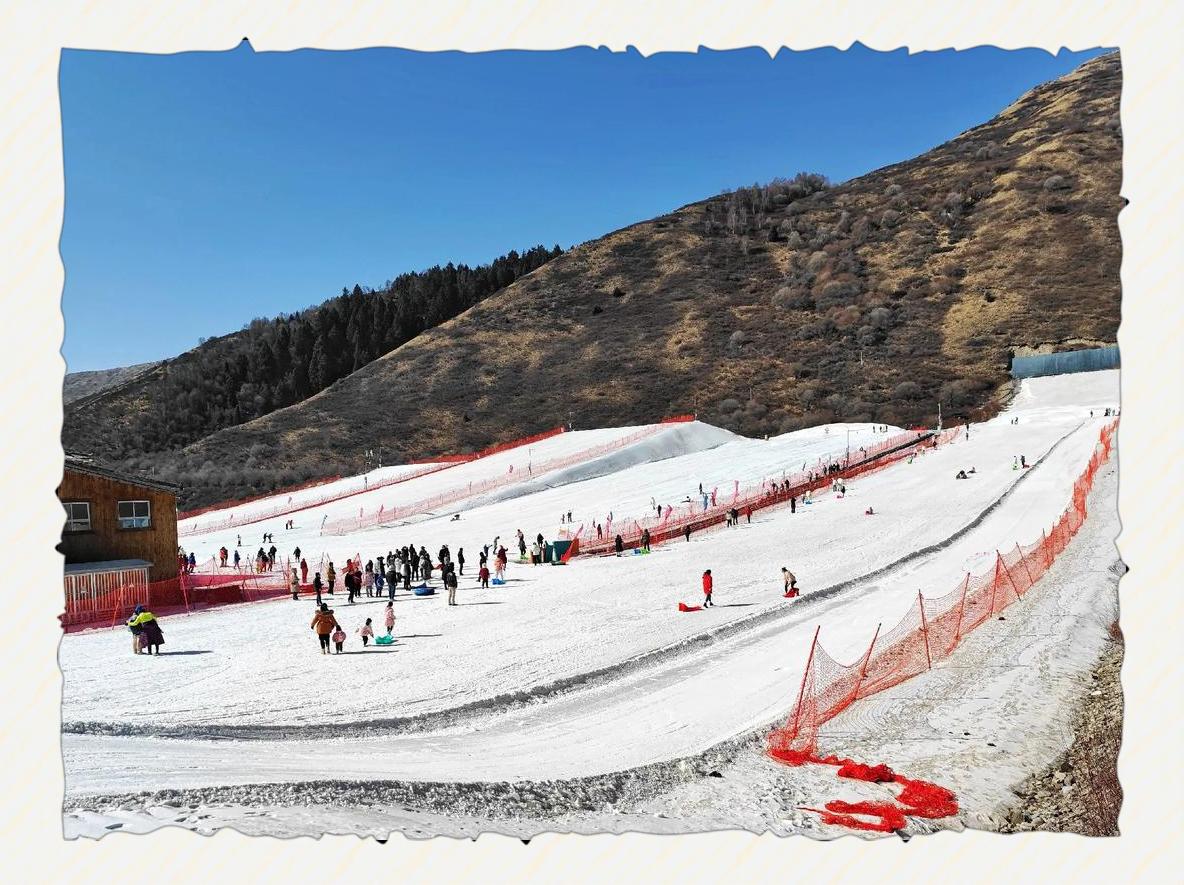
Xinjiang ski weather is continental: very dry, very sunny, and very cold at night. That dryness is why the powder is so light. Urumqi sits around minus 15°C in January; the Altai can hit minus 30°C on clear nights. The south and lower valleys are milder. Pack accordingly — our packing list covers it, and ski safety & altitude explains how to handle the cold and the elevation.
Daylight and the Winter Rhythm
One thing first-timers underestimate is how short the daylight is. In deep winter the sun clears the ranges after 9am and is gone by 5pm, which is exactly why night skiing matters in Xinjiang — floodlit runs stretch the day and are a genuine highlight, not a gimmick. Plan your biggest mountain mileage for late morning to mid-afternoon, use the early cold for travel or rest, and lean on lit slopes in the evening. This rhythm also explains the region’s famously relaxed après scene: everyone is early to bed because the cold and the dark make it sensible.
Wind, Storms and Unexpected Closures
Beyond cold and crowds, the other variable is weather systems rolling in from Siberia. A big front can bring whiteout conditions and brief lift closures, especially on exposed Tianshan ridges, though the Altai’s sheltered valleys are often skiable when the high Tianshan is not. These interruptions are usually short — a morning rather than a day — and a built-in rest or travel buffer absorbs them easily. The takeaway is to avoid booking only two ski days and hoping for perfect weather; a longer window means a storm costs you nothing but a hot-spring afternoon.
When to Avoid
- Early January cold snaps: beautiful but brutal if you are not geared for minus 30.
- Domestic holiday weeks: Chinese New Year (date moves, usually Jan/Feb) brings the biggest crowds and highest prices — travel the week before or after.
- Late April: only the highest resorts run; lower slopes are done.
Matching the Month to the Trip
Quick rules of thumb:
- Powder hunter: late January – February, head to the Altai powder resorts.
- Budget skier: late November or March for the lowest prices.
- Family: February half-term or March for milder days and softer snow.
- First-timer: December or March, when weather is forgiving and beginner slopes are in good shape.
Booking Windows and Crowds
Prices and queues track the calendar tightly. The cheapest flights and rooms are in November and March; the most expensive are the weeks straddling Chinese New Year. Resorts themselves are rarely overwhelmed except the Tianshan flagships on weekend peak-season days — ski midweek and you will often have a run to yourself even in February. If you want empty slopes and can handle the cold, the last two weeks of January (outside any holiday) are the secret sweet spot that locals use.
Frequently Asked Questions
What is the snowiest month in Xinjiang?
January and February deliver the deepest, most reliable base across both the Altai and Tianshan.
Is December too early to ski Xinjiang?
Not too early, but snow cover is still building at lower resorts. Higher Altai slopes are usually fine by mid-December.
Can you ski Xinjiang in March?
Yes — March is excellent for families and softer snow, though the highest resorts are your best bet late in the month.
How cold does it get when skiing?
Urumqi around minus 15°C in January; Altai can reach minus 30°C. Dress for it and the cold becomes a non-issue.
Does the Tianshan or Altai have a longer season?
The Altai generally holds snow longer because it stays colder; the Tianshan opens earlier thanks to snowmaking. See snow quality comparison for detail.
Is Chinese New Year a good time to visit?
Only if you book early and accept crowds and higher prices. The weeks immediately before or after are far calmer and better value.
Packing for the Cold by Month
What to bring shifts with the calendar. In December and January, pack your warmest layers — insulated pants, a real down jacket, and heated gloves if you feel the cold, because minus-25 mornings are no joke on a chairlift. By February you can drop a layer and still be comfortable. March and early April are the pleasant surprise: a shell and a mid-layer often suffice by midday as the sun strengthens and the snow softens. Whatever the month, keep a spare battery warm and carry lip balm and moisturiser — the dryness that makes the powder so good is hard on skin. The packing list matches gear to the season in detail.
Pairing Xinjiang with Other Regions by Season
If you are building a longer China ski trip, the seasons line up neatly. Skiers often do the northeast (Harbin, Yabuli) in December, when its festival atmosphere peaks, then fly west to Xinjiang for January and February powder as the north gets busy. Beijing fits as a convenience stop any time the season is open. The key is to remember Xinjiang’s cold is a tier above the northeast’s, so pack for the west and you will be over-dressed but comfortable everywhere else. The national season guide shows how the windows overlap.