

There is something quietly magical about Jiangjunshan night skiing in Altay. When the sun drops behind the mountains and the floodlights flicker on, the already-famous dry Xinjiang powder takes on a soft, blue glow, and the slopes empty out into a calm, almost private playground. For foreign skiers building a winter trip around Altay, an evening session at Jiangjunshan is one of the easiest, most memorable ways to experience the region’s snow without committing a full day. The resort’s location right beside the city also means you can slip in for a few runs after dinner without a long transfer. This guide covers what the lit runs feel like, when they run, how to dress, and how to get the most from a few hours on the mountain after dark.
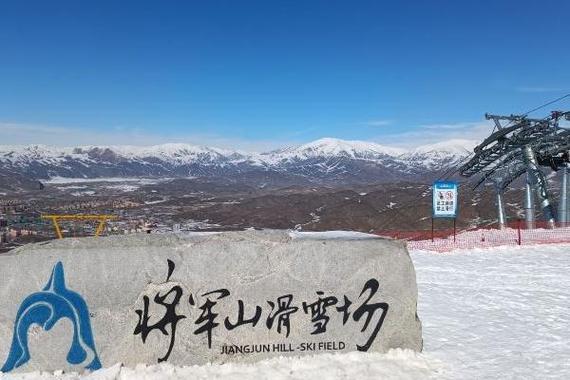
Why Ski Jiangjunshan After Dark
Jiangjunshan sits on the edge of Altay City and is one of the most accessible resorts in the whole region, which makes it a natural choice for a night session. During the day the mountain draws families, lesson groups, and destination skiers chasing the legendary Altai snow. After sunset, the atmosphere changes completely. The queues shrink, the temperature drops a few degrees, and the groomed runs under the lights feel smooth and forgiving.
Night skiing here is also a great option if your daylight hours are already packed. Many visitors pair a morning at a bigger resort with an evening glide at Jiangjunshan, or use the lit slopes as a low-pressure way to practice after a long travel day. If you want more context on the wider scene, our overview of night skiing sessions across Xinjiang walks through what other resorts offer after dark.
What the Lit Slopes Feel Like
The first thing newcomers notice is how different the snow behaves at night. The surface cools quickly once the sun is gone, so the top layer sets up firm while the base stays soft underneath. That combination gives you predictable, carveable snow that holds an edge well. Because Jiangjunshan grooms its beginner and intermediate trails thoroughly, the lit terrain is friendly for newer skiers and confident for intermediates who just want to rack up quiet turns.
Lighting and Visibility
Modern LED and halogen towers throw an even, shadow-free light across the open trails, but the edges of the piste and any off-trail terrain fall into darkness. Keep your lines on the marked, lit runs. Depth perception shifts at night, so shorten your turns slightly, widen your stance a touch, and let your eyes adjust for the first few minutes before pushing the pace. Skiers who wear tinted lenses during the day often switch to clear or very lightly tinted goggles after dark.
When Night Sessions Run
Jiangjunshan typically opens its lit trails in the early evening and keeps them running for several hours, with the exact window shifting through the season. Early in winter the lights may come on later as daylight fades sooner, while mid-season sessions can stretch longer. Conditions, temperature, and wind all affect whether the night run proceeds, so always confirm on the day.
- Most lit sessions begin in the early-to-mid evening rather than right at sunset.
- Operating hours are shorter than daytime, so plan to arrive with time to gear up beforehand.
- Weather holds and extreme cold can cancel a session at short notice.
- Weekend nights tend to draw more locals, while weeknights stay quieter.
Getting the Most from an Evening Session
A good night on the mountain is mostly about preparation. Because you are skiing in the cold, dark hours, a little planning goes a long way. Understanding the lift system at the resort beforehand helps you move efficiently between the lit trails instead of guessing which chair serves which run.
- Arrive early to collect rentals or your own gear and get dressed before the chill sets in.
- Warm up on the easiest lit trail so your eyes and legs adjust together.
- Take a short break mid-session to drink water and check your layers.
- Finish with a final easy run rather than a tired, technical one.
Dressing for the Cold Night Air
Evenings in Altay get cold fast, and standing in a lift line at night feels chillier than skiing. If you are new to the region’s winter, our first-timer resort guide covers the basics, but for after-dark specifically, layering is the key. A moisture-wicking base layer, an insulating mid-layer, and a wind-proof shell will keep you comfortable through a two- or three-hour session. Pack a spare pair of gloves if yours tend to get damp, and consider a thin neck gaiter to protect your face on the chairlift. Hand warmers tucked into your pockets are a small luxury that makes the slower lift rides far more pleasant once the temperature really drops.
Who Night Skiing Suits Best
Jiangjunshan’s lit terrain leans toward beginner and intermediate trails, which makes night skiing ideal for newer skiers, families with older kids, and anyone who wants relaxed mileage without the pressure of a big-mountain day. Strong intermediates will still enjoy the smooth groomers, but experts looking for steep off-piste should plan their adrenaline for daylight. If you are timing a visit around the start of the season, our notes on early-season opening dates explain when conditions usually stabilize enough for reliable night operations.
Because the cold can surprise first-time visitors, it is worth checking the Xinjiang ski weather forecast before you head up, and following a layering guide for extreme cold so the evening stays fun rather than frozen. Dress right, arrive early, and an after-dark session at Jiangjunshan can become the unexpected highlight of your Altay trip.
Frequently Asked Questions
Is Jiangjunshan night skiing good for beginners?
Yes. The lit trails are mostly groomed beginner and intermediate runs, which makes them a calm, low-traffic place to practice. The smaller crowds after dark also mean shorter lift lines and more space to find your rhythm.
What should I wear for night skiing in Altay?
Dress in warm layers: a wicking base, an insulating mid-layer, and a wind-proof shell. Bring a hat, gloves, and a neck gaiter, and switch to clear or lightly tinted goggles once the lights are on. Temperatures drop sharply after sunset, so err on the side of warmer.
How long do the night sessions last?
Night sessions are shorter than daytime operations, usually a few hours in the early-to-mid evening. The exact window shifts with the season and the weather, so confirm the day’s hours at the ticket office or with your hotel before you go.
Can I rent equipment for a night session?
Yes, the resort’s rental service operates for evening sessions as well, though selection thins later in the day as daytime stock gets returned. Arriving early gives you the best choice of boots and skis sized correctly.
Are the night slopes safe?
The lit, groomed trails are well maintained and monitored, but visibility is limited at the edges of the piste. Stay on marked runs, keep your speed controlled, and take a break if you feel fatigued. As with any session, skiing within your ability level is the safest approach.
Should I pair night skiing with a daytime resort visit?
Many visitors do. Jiangjunshan is convenient and relaxed, making it a good evening add-on after a daytime at a larger Altay area, or a gentle standalone outing if you want a short, low-commitment taste of Xinjiang skiing.