

Planning a ski trip to China starts with one simple question: when is the snow at its best? The China skiing guide covers the country’s main regions, but the season itself varies a lot from north to south. Generally, the reliable window runs from late November through March, with the deepest, most stable snow falling in the coldest interior provinces. Understanding the month-by-month rhythm helps you pick resorts, book flights, and pack the right gear for the conditions you want. China spans such a huge range of latitude and altitude that two resorts a thousand kilometers apart can feel like completely different winters, so timing is not just about the calendar – it is about matching your expectations to a specific place.
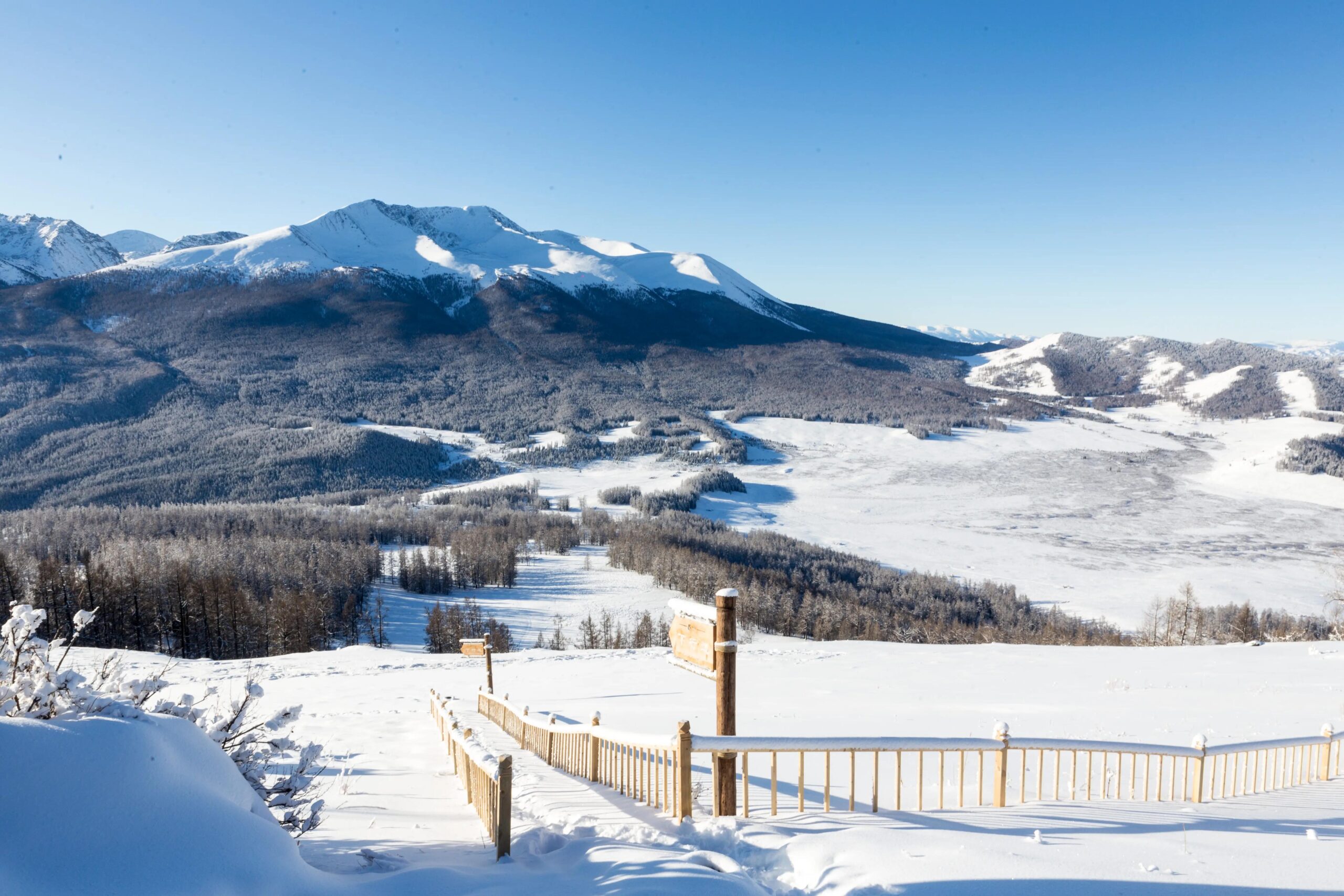
China’s Ski Season at a Glance
Most Chinese ski resorts open in late November once night temperatures drop low enough to make snow. The northern hubs – Heilongjiang, Jilin, and Xinjiang – keep runs open into March, while lower-elevation hills near Beijing often close by early March as temperatures rise. The full China ski season breaks down roughly like this:
- December: Cold, quiet early season with good machine-made and natural snow up north. Resorts are empty before the holidays, making it a hidden-value month.
- January-February: Peak of winter. Coldest temperatures, deepest snow, and the busiest holiday period around Spring Festival. This is when snow quality is at its finest.
- March: Spring snow, longer sunny days, and far fewer crowds – great for relaxed carving, though southern hills may turn soft.
Outside these months, only a handful of glacier or indoor slopes operate, so for a real winter trip you should plan squarely inside the December-to-March frame.
Regional Differences You Should Know
China is huge, and “best time” depends heavily on where you go. The case for Xinjiang as China’s top ski region is strongest from December to February, when the Altai mountains deliver dry, deep powder. In the northeast, Harbin and Yabuli shine in January and February. Around Beijing and Zhangjiakou, December and January are safest for consistent cover, while March can turn slushy. Each region also has its own micro-climate shaped by elevation, distance from the coast, and local wind patterns, so checking a specific resort’s historical snowfall is always smarter than relying on a national average.
Northern Xinjiang and the Altai
The Altai range near the Kazakhstan and Mongolia borders gets some of the driest snow in the country. From mid-December through February you’ll find reliable powder and clear, cold days. This is also where you can combine cultural experiences with skiing, something the other northern resorts can’t easily match. The remote feel of the region means you often share a lift with only a handful of other skiers, a rarity in today’s crowded global ski industry.
Northeast (Heilongjiang and Jilin)
Harbin’s famous ice festival runs through January, and the surrounding resorts are in prime condition then. Expect very cold weather – often well below freezing – but excellent snow quality and a lively winter atmosphere. Jilin’s rime ice and Yabuli’s long trails make the northeast a favorite for skiers who enjoy both the mountain and the festival culture that surrounds it.
North-Central (Beijing and Zhangjiakou)
The venues around the capital and the Olympic zone in Zhangjiakou are convenient for travelers flying into Beijing, but they sit at lower elevation and rely more on snowmaking. Their best window is December through January; by February the base can thin and March often brings slush.
Weather and Snow Conditions by Month
If you want to avoid ice and bare patches, aim for the heart of winter. December builds a solid base, January locks in the coldest, most stable snow, and February holds that quality while crowds grow around the holidays. For the best ski resorts in China, the late-January to mid-February window is the sweet spot for both snow and atmosphere. Keep in mind that cold snaps can close upper lifts, while thaws can close lower ones, so flexibility in your daily plan helps you make the most of changing conditions.
Holidays, Crowds, and Pricing
Spring Festival (Chinese New Year) is the busiest and most expensive time on the slopes. Lift lines grow and lodging prices spike for about ten days. If you’re a foreign visitor who can travel flexibly, the weeks of early December or mid-to-late February offer better value and quieter slopes. skiing in China for foreigners is easier outside peak holidays, when staff have more time and resorts are calmer. The winter school holidays in February can be nearly as busy as Spring Festival in popular areas, so always check the local calendar before booking.
Choosing Your Trip Window
Match the month to your priorities. Want powder and silence? Go in January or early February to Xinjiang. Want festivals and nightlife? Late January in the northeast is unbeatable. Want sunshine and empty lifts? March is your friend, especially in the north. Whatever you choose, book accommodation and transfers a few weeks ahead during peak season, and confirm that your chosen resort’s season dates match your travel dates before you commit to non-refundable flights.
What to Pack for the Season You Pick
The right clothing changes with the month. Deep winter in Xinjiang or Heilongjiang calls for serious insulated layers, face protection, and spare gloves, while March in the north can be managed with a lighter shell and goggles for bright sun. No matter the window, pack a small repair kit, lip balm, and high-altitude sunscreen – the thin winter air and reflected snow are deceptively harsh on skin.
Snow Reliability and Booking Tips
No matter which month you choose, build a little buffer into your plan. Snow can arrive late after a warm autumn, or a mid-winter thaw can temporarily soften lower runs, so arriving with two or three ski days in hand protects your trip against a single bad-weather day. Booking lodging near the resort rather than in a distant city saves long transfers on cold mornings and lets you be first on the snow after an overnight storm. If you are traveling during a holiday week, reserve everything – lift passes, lessons, and transport – at least a month ahead, because the most popular resorts sell out quickly and walk-up options disappear.
Frequently Asked Questions
When does ski season start in China?
Most resorts open in late November, once cold nights allow snowmaking. Northern resorts in Xinjiang and Heilongjiang typically stay open the longest, often into March, while lower hills near Beijing may close earlier.
What is the best month for powder in China?
January and February deliver the coldest, driest, deepest snow, particularly in Xinjiang’s Altai region and the northeast. This is the prime powder window for serious riders.
Is March a good time to ski in China?
Yes, especially in the north. March brings spring snow, sunny days, and small crowds, though lower resorts near Beijing may get slushy by then. It is ideal for relaxed, low-stress skiing.
When should I avoid skiing in China?
Spring Festival week is the most crowded and costly. If you prefer quiet slopes and reasonable prices, travel in early December or mid-to-late February instead, when conditions are still excellent.
Can beginners ski in China during peak season?
Absolutely. Resorts across the country run ski schools, though lessons fill fast during holidays. Booking ahead makes the China skiing experience smoother for first-timers and ensures you get morning slots with the best snow.