

If you are asking where to ski in Xinjiang, the answer is really two answers. The region splits into two ski zones hundreds of kilometres apart: the Altai in the far north, the driest-powder heartland on earth’s oldest ski terrain, and the Tianshan east around Urumqi, the convenient, English-friendly cluster near a major airport. Choosing between them — or deciding to ski both — is the most important planning decision you will make. This guide compares the two regions so you can choose with confidence, and it pairs with the Xinjiang Skiing Guide and the full Xinjiang Ski Resorts directory for resort-level detail you can act on.
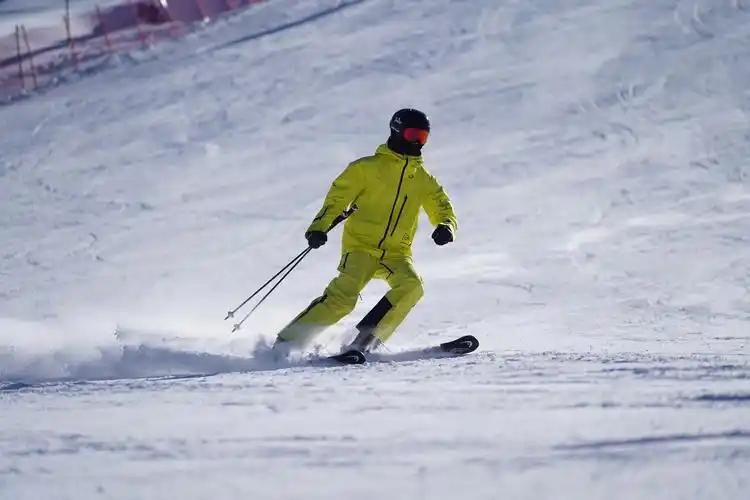
The Two Regions, Side by Side
The differences are large enough that most trips should commit to one. Here is the quick comparison:
| Factor | Altai (North) | Tianshan (East) |
|---|---|---|
| Snow | Driest, deepest powder | Reliable, snowmade-assisted |
| Access | Flight to Altay or long drive | 1–2 hrs from Urumqi airport |
| Crowds | Very quiet | Busy on weekends |
| English | Limited | Better at big resorts |
| Best for | Powder, backcountry | First-timers, families, ease |
Neither is “better” in absolute terms — they serve different trips. The trick is matching the region to what you actually want from the week, not to a generic idea of what a ski trip should be.
The Altai: Powder Heartland
The north is where skiing began and where the snow is still best. The birthplace of skiing country delivers light, deep storms off Siberia and dramatic mountain scenery that feels untouched by the modern resort industry. Key resorts:
- Altai Jiangjunshan ski resort — ski-from-town convenience with strong night skiing above Altay city and the gentlest slopes in the north.
- Cocoa Tuohai ski resort — big vertical, canyon views, and the deepest snow in the cluster for confident skiers who want more than a groomer.
- Hemu village skiing — Tuva wooden cabins and quiet backcountry glades that see only a few tracks after a storm.
For the deepest turns, our best powder ski resort in Xinjiang ranking puts the Altai at the top, with Cocoa Tuohai and Hemu leading the field for serious snow and the kind of untracked lines that have made the region a quiet favourite among those who have skied everywhere else.
Who the Altai suits
Confident intermediates and experts who prize powder and solitude over resort polish. It asks more of you — colder temperatures, less English, a longer journey — and rewards you with empty lifts and some of the lightest snow in Asia. Beginners can still enjoy Jiangjunshan’s gentle lower slopes, but the region shines for those who can handle varied off-piste terrain and who do not mind planning their own days rather than following a guided programme.
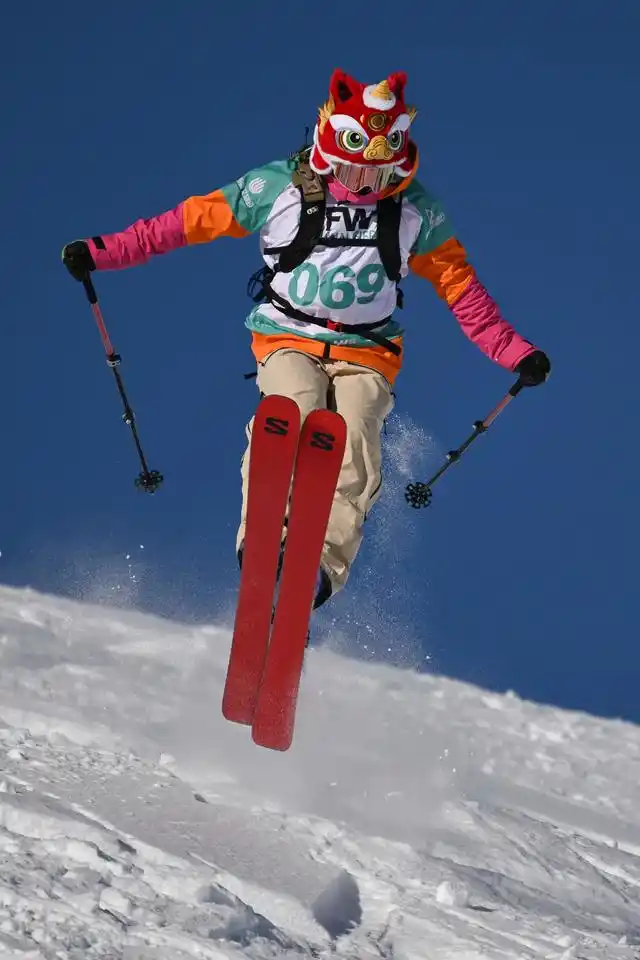
The Tianshan: Convenience Cluster
East of Urumqi, the Tianshan is the lower-friction start — land, transfer, and ski within two hours, with the best snowmaking and English signage in the region. The main hills:
- Silk Road ski resort — the flagship Tianshan hill, best lifts and grooming, and the easiest place to find English instruction and clear signage.
- Tianchi ski resort — skiing above the famous Heavenly Lake, with postcard views and a higher, cooler base that holds snow well.
- Sun Mountain ski resort — calmer, family-friendly slopes a little further from the city bustle and its weekend crowds.
These are the picks in our best beginner ski resort in Xinjiang guide for good reason: wide, gentle, and close to help, with snowmaking that smooths out thin weeks and keeps the season dependable even when nature is slow to deliver.
Who the Tianshan suits
First-timers, families, and anyone on a short trip who wants maximum slope time with minimum logistics. Weekends get busy at the flagships, but weekdays are quiet, and the city base means good food, hotels, and a soft landing if the weather turns. It is the natural introduction to Xinjiang skiing before a later trip north, and the place where most international visitors build the confidence to tackle the Altai on a return visit.
Which Should You Choose?
- Powder is everything: fly north to the Altai and commit to Cocoa Tuohai or Hemu for the deepest snow of your season.
- First trip, limited time: the Tianshan near Urumqi, with Silk Road as your base and the city as your safety net.
- Families with kids: Tianshan for ease, or Altai’s Jiangjunshan for a gentle northern taste with night skiing the children will love.
- Photographers and solitude seekers: the Altai, especially Hemu and Cocoa Tuohai, for empty frames and big scenery you will not find near a city.
- Best value: Tianshan shoulders (early December or March) for low prices and short transfers that keep the total cost down.
Can You Ski Both?
Yes, with a 10-day-plus trip and a flight between regions. The Xinjiang ski trip itinerary plans show how to combine them without wasting snow days. Crossing by road is possible but long; flying Urumqi → Altay is the efficient choice, and late February is the date that catches both regions near their peaks. Build a buffer day into the transfer so weather does not cost you a ski morning, because the northern flight is the most weather-sensitive leg of the whole journey.
Snow Quality Comparison
If snow is the deciding factor, the Altai wins on dryness and depth, while the Tianshan wins on consistency thanks to snowmaking. A Tianshan resort will almost always be open and skiable in peak season; an Altai resort will almost always be deeper and lighter when it snows. The practical move is to ski the Tianshan early or late and the Altai in the heart of winter, which is exactly what the two-region itineraries are built around and what keeps returning skiers coming back year after year.
Season and Timing
Both regions run late November to early April, but the Altai holds snow longer thanks to colder air, while the Tianshan opens earlier on snowmaking. The best time to ski in Xinjiang guide maps the month-by-month detail, and the Xinjiang ski resort map shows exactly where everything sits. If you travel in the shoulders, favour higher terrain in both regions for the most reliable cover, and check opening dates with your hotel before you commit to a specific hill.
Putting It Together
A simple rule: if this is your first Xinjiang trip and you have under a week, ski the Tianshan and fall in love with the convenience; if you are a powder skier with time and a sense of adventure, fly north and let the Altai surprise you. Either way, the region’s combination of low prices, light snow, and cultural backdrop — Uyghur food, Tuva villages, hot springs — is something no European resort can copy, and that is the real answer to where to ski in Xinjiang for most of the skiers who make the long journey out.
Frequently Asked Questions
Which region has better snow?
The Altai — drier, deeper powder. The Tianshan is reliable but more dependent on snowmaking at lower resorts, especially in early and late season when nature is thin.
Is the Tianshan good for beginners?
Excellent. Wide gentle slopes and the easiest access make it the default first-timer choice; see the beginner resorts guide for the shortlist and the gentle hills to start on.
How far apart are the regions?
Hundreds of kilometres; a flight or a long drive connects them. Budget a full travel day if doing both on one trip, and a buffer for weather on the northern leg.
Where should I base for powder?
Altay city for Jiangjunshan, then Cocoa Tuohai or Hemu for deeper, quieter snow and backcountry access that the Tianshan simply cannot offer at the same scale.
Can I ski both in one trip?
Yes with 10+ days and a flight between them; the itinerary guide shows the day-by-day plan and where to insert the rest day that makes it work.
Which is better value?
The Tianshan in the shoulder months, with short transfers and low prices; the Altai costs more to reach but delivers snow no resort near Urumqi can match for a powder skier.