

Long before the Alps built their first cable car, and centuries before skiing became a leisure sport in Europe, people in China’s far northwest were strapping on strips of wood to cross the snow. Altay — in the northern tip of Xinjiang, where China meets Russia, Mongolia and Kazakhstan — is widely recognised as the birthplace of skiing, with archaeological evidence of skiers here going back roughly 10,000 years. Today the same valleys that produced the world’s first skiers also produce some of its driest, deepest powder, and draw a small but growing band of international powder hunters. This is the story of where skiing began, why the snow is so good, and how the Xinjiang Skiing Guide keeps sending serious skiers north to this remote corner of the map.
The Evidence: 10,000-Year-Old Petroglyphs
In the caves and rock faces around Altay, archaeologists have found petroglyphs showing human figures on skis, using a single pole — a technique still used by local hunters and herders today. UNESCO and Chinese researchers date some of these images to around 10,000 years ago, making them among the oldest depictions of skiing anywhere on earth. For a region often left off the global ski map, that is a remarkable claim to fame: the sport you love started here, on these very slopes, as a practical way to survive a long, snowbound winter rather than as a pastime.
Why Altay, and not elsewhere?
The answer is geography. Altay sits where cold Siberian air meets moisture from the Arctic, producing reliable, light snow through the winter. The local people needed a way to travel, hunt, fish through ice, and trade across that snow, and skis were the solution. The terrain — open valleys, gentle rolling hills, and deep spruce forests — was ideal for it. What began as survival became culture, and that culture never really ended; you can still meet elders who learned to ski as children on homemade boards shaped from local wood, a tradition passed down through generations without interruption.
Altay’s Snow Today
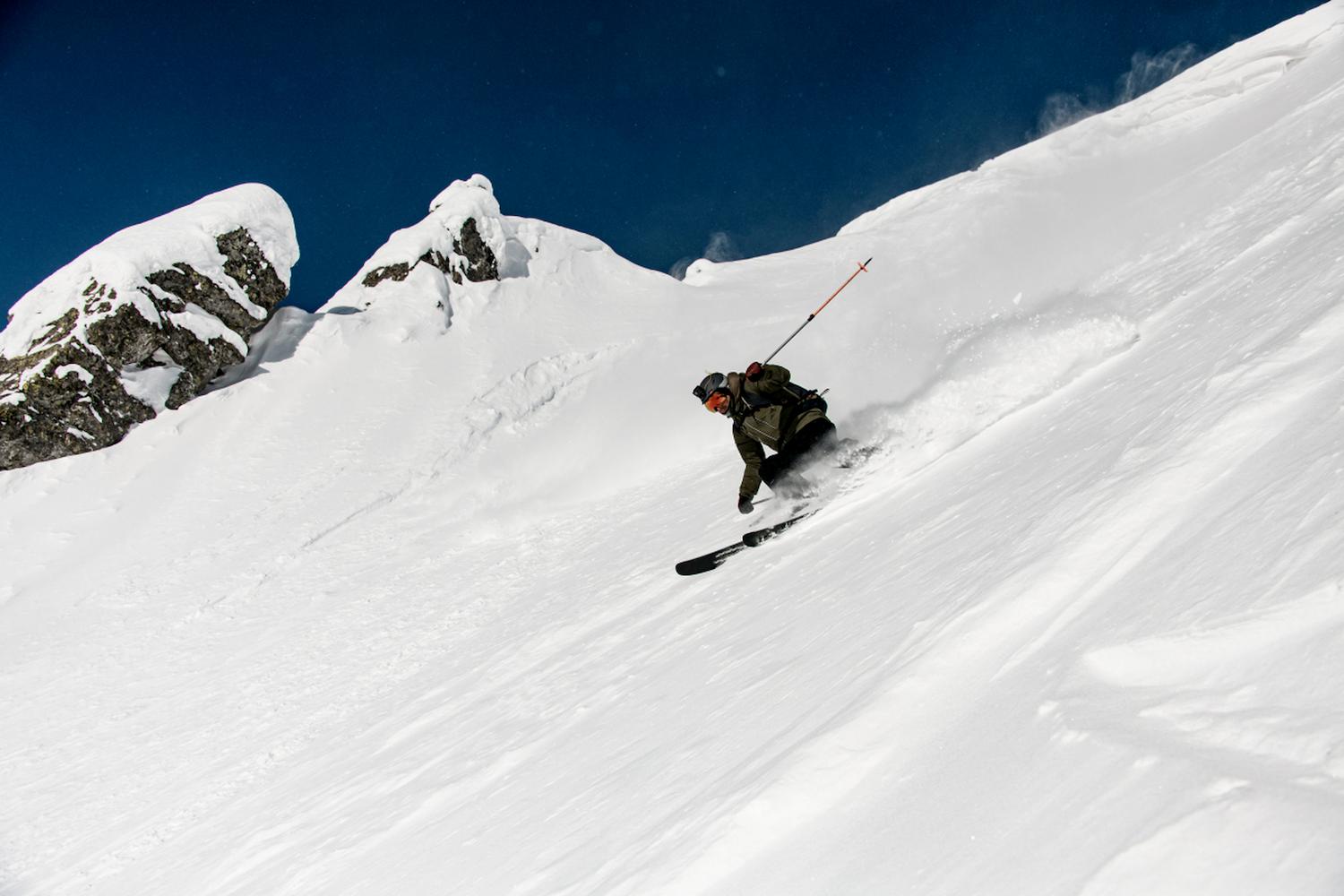
That ancient snow culture now sits on top of genuinely world-class skiing. The Altai Jiangjunshan ski resort lets you sample the powder right on the edge of Altay city, while Cocoa Tuohai ski resort delivers bigger vertical and wilder canyon scenery an hour or two north. Hemu village, a cluster of Tuva wooden cabins, is the gateway to quiet backcountry turns that feel unchanged for millennia. Together they form the powder heartland of the country, and increasingly of Asia, drawing skiers who have done Japan and the Alps and are hunting for something quieter and deeper.
What the snow is like
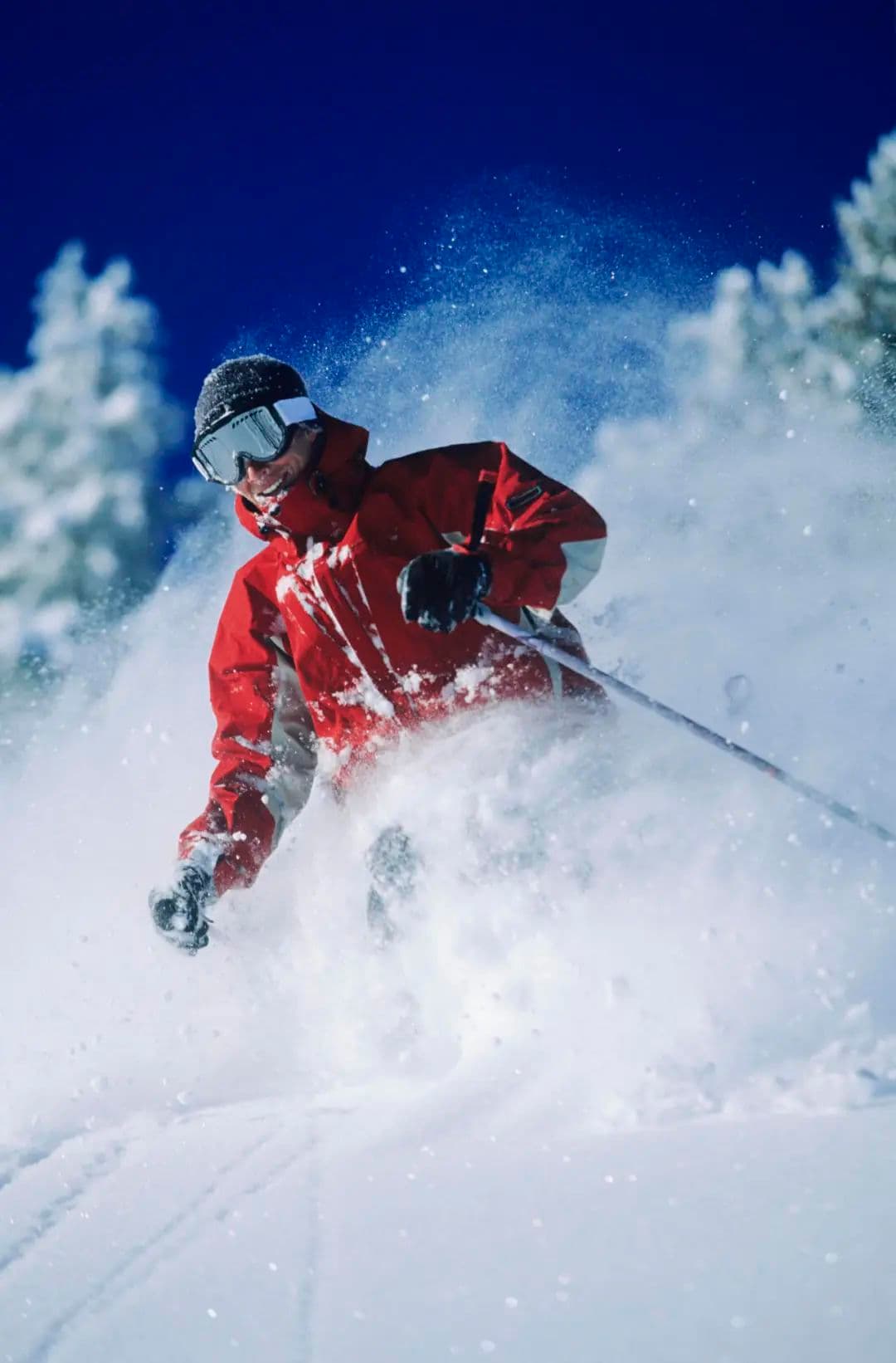
- Dry and light: continental cold keeps the snow low in moisture — the same appeal as Hokkaido, with far fewer people and none of the lift-line patience Japan now demands on a storm day.
- Deep and reliable: January and February deliver the strongest base of the Xinjiang season, with storm after storm topping it up across the hills.
- Long-lasting: colder air means the Altai holds snow later than the Tianshan, often into early April, extending the playing field for late-season trips.
The Powder Heartland
If you want the single best snow-to-crowd ratio in Xinjiang, the Altai wins decisively. Our best powder ski resort in Xinjiang comparison ranks the northern resorts at the top, and the best time to ski in Xinjiang guide points powder hunters here in deep winter. You can ski a floodlit city slope one day and be skinning up a silent valley the next — the contrast is the whole point of coming north. On a good January storm cycle, knee-deep runs are the norm, not the exception, and you may share a lift with only a handful of other skiers even on a weekend, which is almost unheard of at comparable resorts elsewhere in the world.
A Living Ski Culture
Skiing in Altay is not just a resort product; it is local heritage that still shapes daily winter life. You may see herders on traditional long skis, and winter festivals celebrate the region’s status as the origin point of the sport. The Xinjiang ski festival in Altay leans into exactly this story, with heritage demonstrations alongside modern racing and freestyle events. For a visiting skier, that cultural layer is part of the magic: you are not just renting a lift ticket, you are stepping into the longest continuous ski tradition on earth, one that predates the sport’s reinvention as a leisure activity by millennia and still lives in the muscle memory of the people who live here.
Altay vs the Rest of Xinjiang
The Altai is the counterpoint to the convenient Tianshan resorts near Urumqi. It asks more of you — a flight or a long drive, colder temperatures, less English — and it gives back more: deeper snow, emptier slopes, and a sense of exploration the bigger hills cannot match. If your trip is built around powder and solitude, the Altai is the answer; if it is built around ease and a short transfer, the Tianshan is the gentler start. Many experienced visitors do both, flying between regions on a longer trip, and report that the contrast between the two is itself one of the highlights of skiing Xinjiang at all.
Getting to Altay
Most visitors fly into Altay’s airport from Urumqi, a short winter hop that spares the long road journey. The sleeper train is an alternative for those who want the overland experience, though it adds a day and a transfer. Once in Altay city, Jiangjunshan is minutes away by shuttle or taxi, while Cocoa Tuohai and Hemu require a longer drive north that is best broken with an overnight stop. Booking the northern flight or train ahead in peak season is wise, because winter weather can thin the schedule and leave limited seats for spontaneous travellers who arrive in Urumqi expecting to continue north the same day.
What to Expect on the Slopes
Altay resorts are smaller than the giants of the Alps or North America, but what they lack in size they make up for in character. Jiangjunshan is compact and city-side, ideal for a first northern taste and for night skiing under floodlights above the town. Cocoa Tuohai is the serious hill, with a long vertical drop and dramatic canyon walls that frame every run and make even a blue feel like an adventure. Hemu is the backcountry gem, where guided tours open up untouched glades and open faces that see only a handful of tracks after a storm. None are crowded, and all reward confidence and curiosity over resort polish, which is exactly what draws the international skiers who make the journey.
Planning Your Altai Trip
- Fly into Altay’s airport (winter flights from Urumqi) or take the sleeper train north and transfer.
- Spend a day at Jiangjunshan to acclimatise, check the snow, and ski from town without pressure.
- Move to Cocoa Tuohai or Hemu for deeper powder and backcountry access with a guide.
- Book English ski lessons ahead in peak season, as instructors are limited outside the biggest resort.
- Build in a rest day — the cold, the altitude, and the long transfers make recovery worthwhile and keep the second half strong.
Frequently Asked Questions
Is Altay really the birthplace of skiing?
Yes. Petroglyphs near Altay show skiers around 10,000 years old, among the earliest evidence of skiing anywhere in the world, recognised by UNESCO-linked research as foundational to the sport’s history.
What is the snow like in Altay?
Dry, light, and deep — continental cold produces low-moisture powder that rivals Hokkaido with far smaller crowds and none of the lift-line patience that Japan now requires.
Which Altai resort should I visit first?
Jiangjunshan is the easy, city-side start; Cocoa Tuohai and Hemu offer bigger vertical and backcountry. See the resort directory for the full list and distances between them.
When is the best time to ski Altay?
January and February for the deepest powder; March for milder days and softer snow. Late February often catches the best balance of depth and temperature for most visitors.
Can beginners ski in Altay?
Yes — Jiangjunshan’s wide lower slopes are beginner-friendly, though the region as a whole suits confident intermediates and powder skiers best, and backcountry demands a guide.
Is English spoken at Altay resorts?
Limited outside Jiangjunshan. Book lessons and transfers in advance, and load a translation app for signs and base-lodge menus so you are never stuck.