

Planning a ski trip to China’s northwest starts with one practical question: when are the slopes actually open, and what will the snow be doing when you arrive? The Xinjiang ski season runs roughly from late November to early April, but that simple answer hides a lot of useful detail. The calendar is not identical for every resort, the snow underneath it shifts week by week, and the two main regions — the far-north Altai and the Tianshan around Urumqi — behave differently enough that your choice of month can make or break the trip. This guide lays out the real opening and closing dates, the windows when the snow is at its best, and how the regions compare, so you can book with confidence. Pair it with our Xinjiang Skiing Guide for the bigger planning picture and the resort shortlist in the Xinjiang Ski Resorts directory.
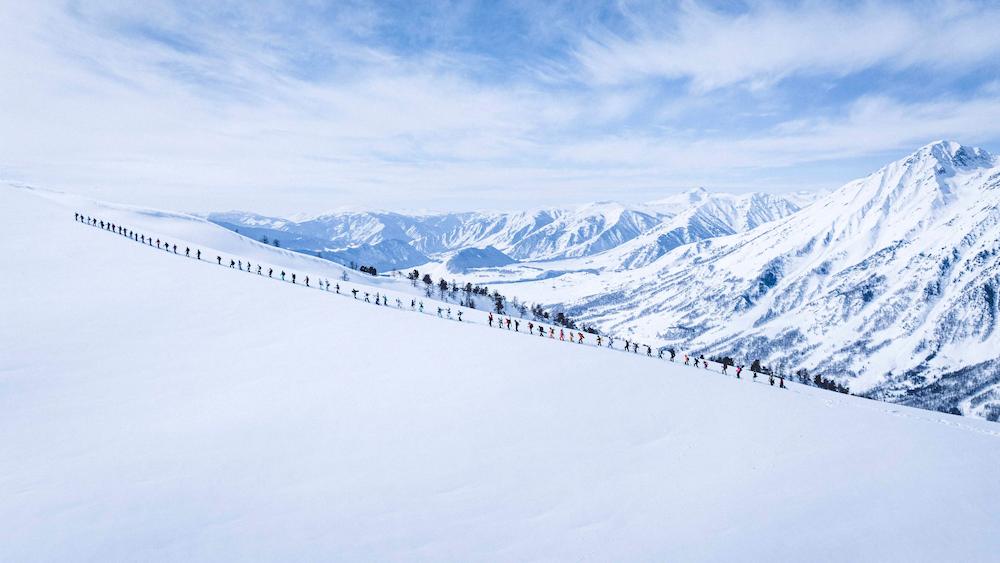
Why the Season Matters More Here
Xinjiang is enormous, and its ski areas sit at very different latitudes and altitudes. That means two resorts only a few hundred kilometres apart can open weeks apart and close on different dates. Unlike a compact Alpine valley where you can ski a dozen linked villages on one pass, Xinjiang rewards skiers who match their visit to the specific region and resort they care about. Get the timing right and you will find waist-deep powder and empty lifts; get it wrong and you may arrive to thin cover at lower hills or closed slopes in spring. The payoff for paying attention is enormous: low prices, short lines, and some of the driest snow on the planet, delivered by a continental climate that keeps storms cold and light.
The Season at a Glance
Most resorts follow a similar arc, though exact dates move with altitude and weather from year to year:
- Late November – early December: the first resorts open. Snow is still building at lower elevations; higher slopes are usually skiable by mid-December. Prices are at their lowest and crowds are minimal, which makes this a sleeper favourite for budget skiers.
- Mid-December – late December: a stable base forms and the pre-holiday lull makes for quiet, cheap early turns before domestic New Year travel picks up and the mountains fill.
- January: peak powder. Cold and dry, with the deepest, lightest snow of the year and the most reliable base across both regions, plus the clearest bluebird skies.
- February: the safest all-round month — deep snow plus slightly milder, friendlier temperatures that suit families and first-timers who dislike extreme cold.
- March: spring skiing. Softer snow, longer days, and far fewer crowds after the holiday peak, ideal for a relaxed second trip or a family week.
- Early April: the season winds down; only the higher resorts stay open into the first weeks of the month before the base finally gives way to sun.
If you want the widest choice of open terrain and the most dependable snow, February is the sweet spot, and it is the month our best time to ski in Xinjiang guide recommends most strongly for first-time visitors who want comfort as well as quality.
Opening Dates by Region
The two main ski regions do not open on the same clock. The Tianshan resorts near Urumqi, such as the ones covered in where to ski in Xinjiang, rely on snowmaking and tend to open first — often late November, because they can supplement natural snow. The Altai resorts in the far north open a little later as they wait for natural snowfall to build a base, but they stay open longer because the cold Arctic air preserves the snow well into spring. Cocoa Tuohai and Hemu, for example, often ski well into late March or even early April, long after the Tianshan flagships have closed their lower slopes.
Typical opening windows
- Urumqi / Tianshan: late November to late March, snowmaking-dependent at the start and through any thin weeks.
- Altay city (Jiangjunshan): early December to late March, natural-snow driven and cold enough to hold its base.
- Cocoa Tuohai & Hemu: early December to early April, the longest season in the region by a clear margin.
These are guidelines rather than guarantees. A warm autumn pushes openings back; a cold, snowy one pulls them forward. Local resorts post opening dates on social media a week or two ahead, and your hotel can confirm before you fly so you are never surprised at the base lodge.
The Best Snow Windows
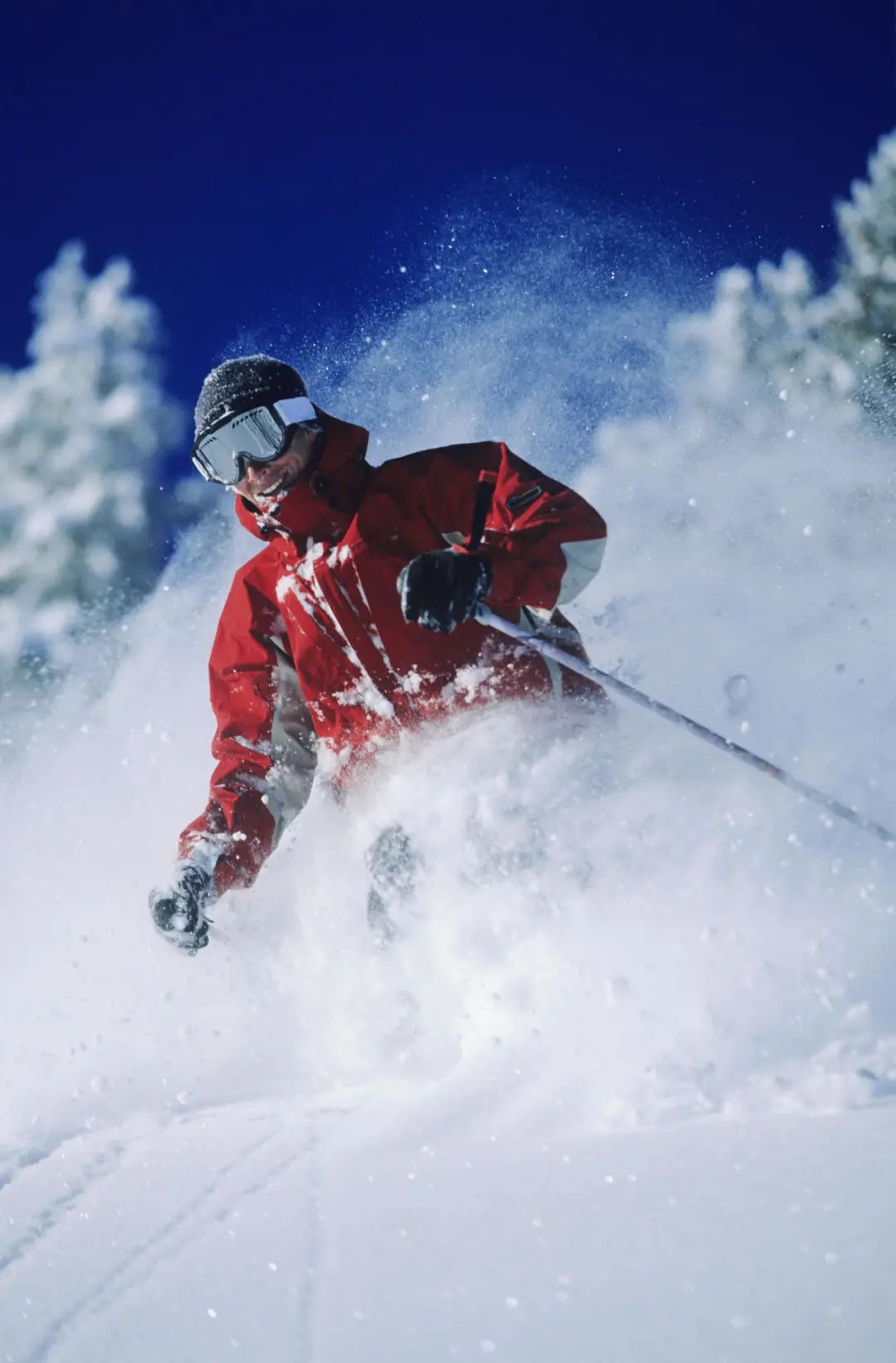
The headline for powder lovers is mid-January through February. Storms rolling in from Siberia drop light, dry snow across the north, and the sustained cold keeps it from settling or melting. Our Xinjiang ski weather guide explains why the continental climate produces such famously dry powder — the air is simply too cold and too arid to make heavy, wet snow. If deep snow is your priority, aim for that six-to-eight-week window and avoid the thin-cover weeks of late November. Clear, bluebird days are common in January, which is also why photographers love the month despite the chill, and why serious return visitors plan their entire trip around it.
When the Season Closes
Closing dates are driven by warming temperatures rather than a fixed calendar. Lower Tianshan resorts often close by late March as the base softens; higher Altai slopes can run into early April on a good year. The best time to visit Xinjiang ski resorts guide tracks these closing patterns in detail by resort. If you book late March, target the higher hills and expect softer, sun-affected snow by midday, with the best conditions early in the morning before the sun works on the surface and turns the top layer heavy.
Shoulder-Season Trade-offs
Early December and March are the value windows. Lift tickets and hotels drop, crowds thin out, and you still get skiable snow — just not the deepest base of mid-winter. Early December suits beginners building confidence on gentler, quieter slopes; March suits families wanting milder days, longer light, and softer snow that is forgiving for kids learning to turn. The trade-off is consistency: a warm spell can thin cover at lower resorts, so keep your plans flexible and favour higher terrain if you travel in the shoulders, where the base is thicker and lasts longer.
Regional Snow Timing in Practice
To make this concrete, think of it as two slightly different seasons sharing a rough frame. The Tianshan season is front-loaded: it opens early on snowmaking, peaks in January and February, and fades first in March. The Altai season is back-loaded: it opens a touch later, peaks slightly later, and holds snow longest into April. A skilled two-region trip in late February can catch both at their best, which is exactly why late February is the date serious return visitors target when they want to sample both halves of the region in a single journey without compromising the snow.
Matching the Season to Your Trip
- Powder hunter: late January – February, and head north to the Altai for the deepest, driest snow of the year.
- Budget skier: early December or March for the lowest prices and quiet slopes, with the trade-off of a thinner base.
- Family: February half-term or March for milder, softer snow and longer daylight that suits children.
- First-timer: December or March, when weather is forgiving and beginner slopes are in good shape and not icy.
- Photographer: January for bluebird powder days, accepting the cold for the shots of a lifetime.
Booking Around the Season
Because the season is short and Chinese holiday weeks concentrate demand, the calendar drives both price and availability. Book flights and hotels at least two months out for January and February, and a month out for the shoulders. The Xinjiang ski trip cost guide shows how much the same week costs across the season, and timing your visit to the snow window rather than the holiday window is the single biggest lever on both crowd and budget. A few days of offset can mean the difference between a quiet slope and a busy one, and between a reasonable rate and a peak one, so the calendar is worth studying before you click purchase.
Frequently Asked Questions
When does the Xinjiang ski season start?
Most resorts open between late November and early December. The Tianshan hills near Urumqi, which use snowmaking, tend to open first, sometimes before the natural-snow Altai resorts have built a base.
When does the season end?
Lower resorts typically close by late March; higher Altai slopes can run into early April in a good snow year. Warmth, not a fixed date, drives the closing of each hill.
What is the best month for snow?
Mid-January through February delivers the deepest, most reliable base and the lightest powder across both regions, with January the driest and February the mildest.
Can I ski in early December?
Yes, though snow cover is still building at lower resorts. Higher Altai slopes are usually in good shape by mid-December, and prices are at their lowest of the season.
Is March worth visiting?
Absolutely for families and softer-snow skiers — longer days, fewer crowds, and lower prices, with higher resorts still fully open into the month.
Which region has the longer season?
The Altai generally holds snow longer because it stays colder, while the Tianshan opens earlier thanks to snowmaking. Plan accordingly if you travel in the shoulders.