

If Xinjiang skiing has a poster child for dramatic terrain, it is Cocoa Tuohai ski resort — also written Keketuohai or Koktokay. Tucked into the Altai’s far north, this is the hill that trades convenience for spectacle: bigger vertical than anywhere else in the cluster, canyon walls that frame every run, and the deepest, driest powder the region produces. It belongs in the Xinjiang ski resorts family and is a centrepiece of any serious Xinjiang skiing plan built around powder rather than creature comforts and a polished resort village.
Location & Access
Cocoa Tuohai sits in the Altai prefecture, a few hours by road from Altay city and its airport. It is more remote than the city resort of Jiangjunshan, which is part of the appeal and part of the planning. Most visitors fly into Altay, then transfer north; the Altay city ski resorts guide explains how the northern hills chain together, and the resort transfers guide covers the last leg. Build in buffer time — winter roads in the north are beautiful but weather-dependent, and a closed pass can add hours, so a flexible schedule is the real difference between a relaxed trip and a stressful one.
The Mountain in Detail
What sets Cocoa Tuohai apart is scale. The vertical is the largest in the Altai cluster, and the terrain falls through a landscape of granite canyon walls and frozen rivers that look almost theatrical. Upper pitches are steep and serious; mid-mountain offers legitimate freeride and sidecountry after a storm; lower sections are wider and more forgiving. Because the resort is less developed than the Tianshan flagships, the experience feels wilder — you are skiing a dramatic northern valley, not a polished alpine village. That wildness is the draw, but it also means you should be a confident intermediate or better to get the most from the hill, and you should respect the terrain rather than treat it like a maintained, patrolled piste.
Slopes & Lifts
The lift network is modern but smaller than Urumqi’s giants, and recent seasons have added terrain and base capacity as the resort expands. The lift tickets guide has current pricing, and the snow quality comparison rates Cocoa Tuohai highly for depth and consistency. Expect fewer English signs than the Tianshan; a translation app and a pre-booked guide smooth the edges if your Chinese is limited. The trade for the smaller footprint is solitude — even on a good snow day you can find a quiet line, something almost impossible at the busy flagship hills closer to the city and its weekend crowds of energetic domestic riders.
Snow & Season
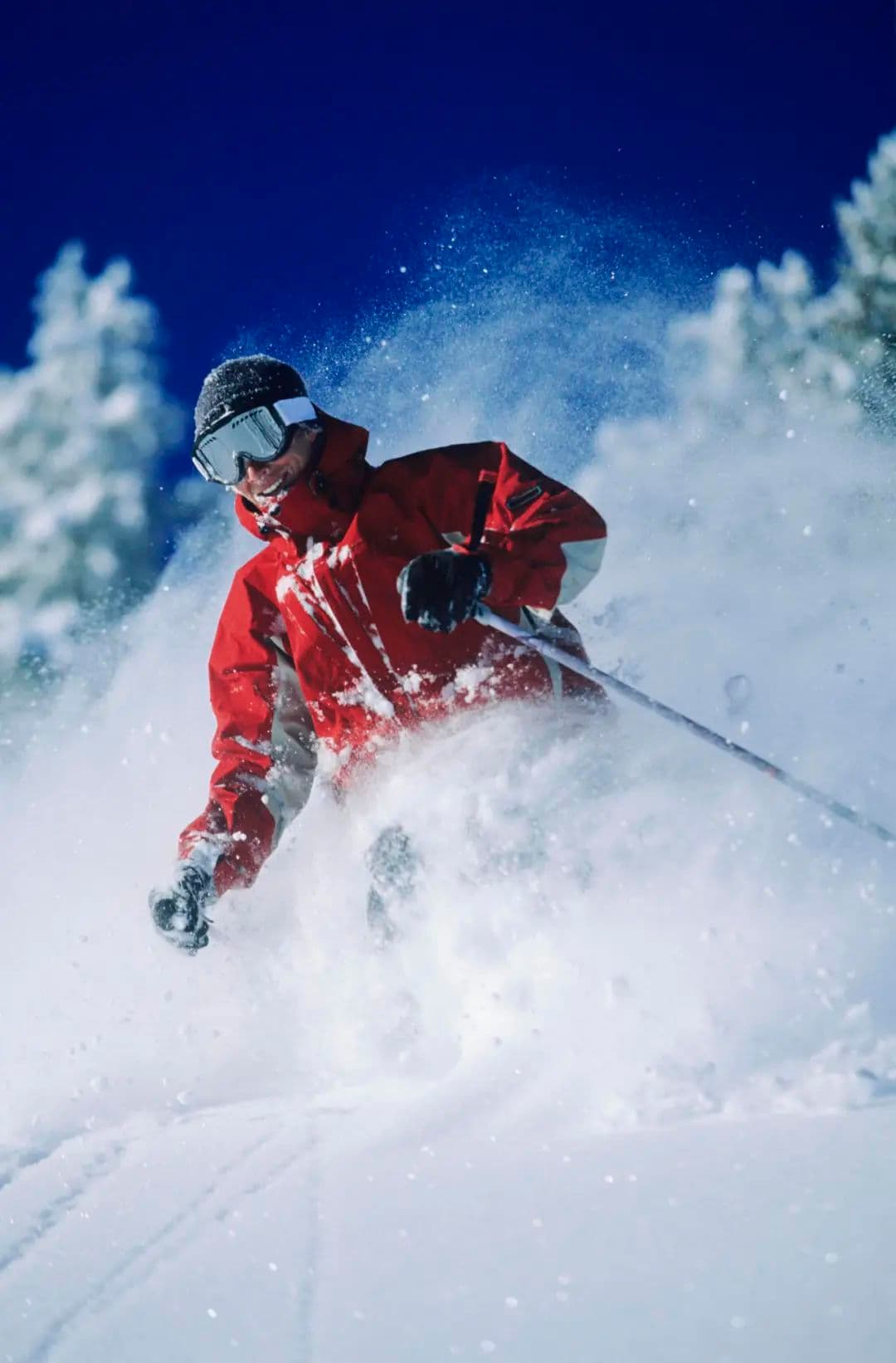
This is the deepest-snow resort in the Altai cluster. Storms rolling in from Siberia pile dry powder across the upper mountain, and the colder northern air holds it longer than the Tianshan. Cocoa Tuohai typically opens in early December and runs into late March or early April. For the freeride sweet spot, see the best powder ski resort in Xinjiang comparison — Cocoa Tuohai is consistently near the top — and the best time to visit guide for the month-by-month window. The cold that preserves the snow is also the cold that demands respect, so pack for genuine minus-thirty nights and keep your electronics and your fingers warm through the day.
Who It’s For
- Powder hunters: the deepest, driest snow in the region, reliably filled in after a storm front moves through.
- Confident intermediates and experts: steep pitches and real sidecountry for those who can truly handle it.
- Scenery seekers: canyon walls and frozen rivers unlike any other Xinjiang hill, and views worth the trip alone.
- Not ideal for: absolute beginners or travellers wanting city comfort and English everywhere — that is Jiangjunshan’s job, and it is an easy add-on to the same northern loop you build.
Off-Piste and Freeride
Cocoa Tuohai is a freerider’s hill. After a fresh dump, the sidecountry and gladed lines just beyond the boundary hold untracked caches, and the dramatic terrain makes even a modest line feel epic. But the backcountry beyond resort control is unpatrolled and avalanche-prone. Read the Xinjiang ski safety guide, carry beacon-probe-shovel, and hire a licensed guide for your first off-rope days. The exposure here is real, and the canyon walls hide terrain traps a visitor will not see until it is too late. A guide who knows the aspect and the snowpack turns a risky adventure into a safe, unforgettable one, and the local knowledge of where the snow sits deepest is worth far more than the fee you pay.
Where to Eat and Stay
Lodging at Cocoa Tuohai is more rustic than the Tianshan flagships — expect functional heated rooms and hearty base-lodge food rather than luxury. The trade is price and atmosphere: you are paying a fraction of an Alpine resort to sleep beneath some of the most dramatic peaks in China. For a slower, prettier base, the wooden Tuva cabins of nearby Hemu are a couple of hours away and make a memorable multi-day northern stay. Bring some cash for small vendors, and do not expect much English at the counter; the staff are friendly and the food is filling, which is exactly what you want after a long day breaking trail in the cold and the bright Altai sun.
Tips From Experience
- Ski midweek — domestic holiday weeks bring the biggest crowds the north sees, and the lines lose their magic fast.
- Book a guide for off-piste; the terrain rewards local knowledge and keeps you well out of trouble on big days.
- Pack for real cold; the Altai can hit minus 30 on clear nights, and the chairlift rides bite hard at the top.
- Pair with the Altai Jiangjunshan ski resort for a gentler day and Altay city comforts when the legs need a rest day off the hill.
- Charge camera batteries and keep them warm — the canyon light is worth the effort and the frozen river is a frame you will keep for years.
- Pre-book lessons or guiding through the English lessons guide if you want instruction in your own language during your stay.
How It Fits a Bigger Altai Trip
Think of Cocoa Tuohai as the marquee day of a northern loop: arrive via Altay, ease in at Jiangjunshan, spend your best-weather day at Cocoa Tuohai for powder and scenery, and add a Hemu village day for backcountry atmosphere. The Altay city resorts guide shows how to chain the hills, and the itinerary guide slots them into a full week. Give Cocoa Tuohai at least two days if the snow is good — one to learn the mountain and one to really ski it — because the terrain rewards a second look once your legs know the lines and the light shifts across the canyon walls through the afternoon.
Frequently Asked Questions
Is Cocoa Tuohai good for beginners?
Not as a first resort. Lower runs are manageable, but the hill suits confident intermediates and experts. Start at Jiangjunshan if you are learning, then graduate north once you have found your edges on easier slopes.
How does it compare with Jiangjunshan?
Cocoa Tuohai has bigger vertical, deeper snow and wilder scenery; Jiangjunshan is convenient and beginner-friendly. Read the Cocoa Tuohai review and Jiangjunshan review side by side to choose your base for the northern loop.
When is the snow best?
January–February after storms. The best time guide maps it by month, and local guides know which aspects hold the freshest snow as the window shifts through the deep winter season.
Do I need a guide for off-piste?
Strongly recommended for first times — the canyon terrain hides hazards. See the safety guide for the gear and the mindset you need before stepping beyond the ropes into the backcountry.
How do I get there?
Fly to Altay, then transfer north; the transfers guide covers it, and a flexible schedule absorbs any weather delays on the winter roads through the mountains.
Is English spoken?
Less than the Tianshan. A translation app and pre-booked guide help; the lessons guide lists English options for instruction and guiding in the far north of the Altai region.