

Getting to Xinjiang sounds intimidating on a map — it is a fifth of China’s landmass, thousands of kilometres from the coast, and bordered by some of the most remote terrain on the continent. But the logistics are simpler than they look once you break the journey into steps. This guide explains exactly how to get to Xinjiang for skiing, from international and domestic flights into Urumqi and Altay to the sleeper train and the final resort transfers. Start with the Xinjiang Skiing Guide to choose your region, then use this as your step-by-step travel plan so the only surprise at the end is how good the snow is and how friendly the mountains turn out to be.

Step 1: Fly Into China
Most international visitors enter China through Beijing, Shanghai, or Guangzhou and connect onward to Xinjiang. A handful of Central Asian and Middle Eastern hubs also fly into Urumqi directly, which can save a domestic connection and a second security line. Allow a full day for the international-to-domestic leg, especially if you are changing airports in Beijing, and remember you will need a visa for Xinjiang skiing before you board — sort that out weeks ahead, because processing times vary and a missing visa ends the trip at check-in. Carry a printed copy of your hotel and resort bookings; they smooth both the visa application and any arrival checks, and they give drivers and hotel desks something concrete to work with on the ground.
Step 2: Reach Xinjiang by Air
Two airports matter for skiers, and which one you choose depends on your target region:
- Urumqi Diwopu International (URC): the regional hub, with frequent flights from across China and a short transfer to the Tianshan resorts. This is the default entry point for most visitors and the easiest place to find English signage and help when something goes wrong.
- Altay Kanqerqak (AAT): a smaller airport in the far north, with winter flights from Urumqi. Fly here to skip the long drive if the Altai powder is your goal, and you will be on a slope within the hour of landing rather than a day later.
The Xinjiang Ski Resorts directory maps both gateways, and the Urumqi ski resorts sit one to two hours from URC by road, while Altay airport puts you minutes from Jiangjunshan and a short hop from the deeper northern hills that draw powder hunters from across Asia.
Domestic connections
From Beijing, Shanghai, or Xi’an, direct flights to Urumqi run daily and take three to five hours. Booking early keeps prices low; the Xinjiang ski trip cost guide includes typical airfare ranges so you can fold them into your budget. If you are continuing north to Altay, a same-day connection is usually easy, but build in a buffer in case winter weather delays the northern leg, which is more exposed to snow and wind than the central corridor.
Step 3: The Sleeper Train
If you want to see the country and save on a night’s hotel, the sleeper train is a classic option. Soft-sleeper cabins run from Beijing and Xi’an to Urumqi in roughly 24–36 hours, with beds, power, and a dining car. It is slower than flying but comfortable, and you arrive rested in the city centre, ready for a resort transfer. Many budget-minded skiers treat it as part of the adventure, watching the landscape shift from plains to desert to snowy ranges through the window as the train crawls west. Hard sleeper is cheaper but noisier and less private; soft sleeper is worth the small premium for a good night before the slopes, especially if you plan to ski the next afternoon.
Step 4: Resort Transfers
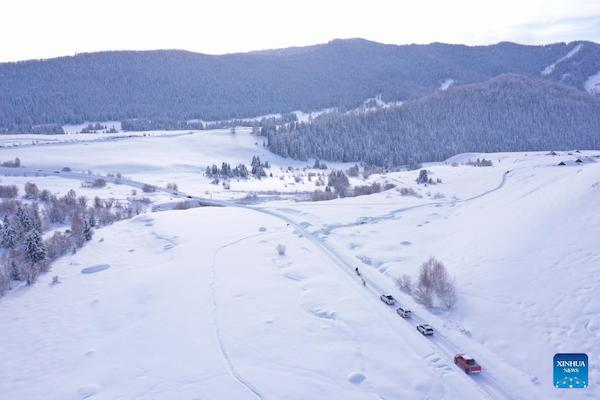
The last mile is where plans succeed or fail. The Tianshan resorts run regular shuttles and taxis from Urumqi; the Altai resorts are served by airport shuttles and a few private drivers. Our Xinjiang ski resort transfers guide lists the reliable options and typical drive times. Pre-booking a transfer in peak season avoids waiting in the cold, and your hotel can usually arrange one and confirm the pickup point. For the Altai, combining the transfer with an overnight stop in Altay city breaks up the long northern drive and lets you ski fresh the next morning instead of tired and cold after a full day on the road.
Transfer cheat-sheet
- Urumqi → Silk Road / Sun Mountain: about 1 hour by shuttle or taxi, on ploughed highways that are reliable through winter.
- Urumqi → Tianchi: roughly 1.5 hours, higher into the range and more exposed to weather.
- Altay airport → Jiangjunshan: under 30 minutes, often by dedicated resort shuttle that meets flights.
- Altay → Cocoa Tuohai / Hemu: 2–4 hours by road; combine with an overnight stay to avoid a tired drive on icy mountain routes.
Crossing Between Regions
Moving from the Tianshan to the Altai needs a flight or a long drive of 600+ km. It is doable in a trip of 10 days or more, but for shorter visits, pick one region and go deep rather than burning two travel days on the road. The resort directory shows how the clusters sit, and the best time to ski in Xinjiang guide helps you time the connection so both regions are at their best when you arrive, which matters because the peaks of the two seasons do not line up perfectly and a poorly timed crossing can cost you snow.
Documents, Money and Connectivity
Beyond the visa, a few preparations make the journey smooth. Load a translation app and a map app that works in China before you fly, since Google services are restricted and you will not be able to download them on arrival. Set up a local payment method or carry cash for small vendors, and keep your passport on you for the random checks that are common on roads and at airports. Save your resort’s address in Chinese characters as well as English — showing it to a driver removes most confusion at the pickup point, and it helps if you need to ask a stranger or a police checkpoint for direction on a quiet mountain road after dark.
Practical Tips
- Book the international visa before flights, and carry printed hotel and resort confirmations for both the embassy and arrival.
- Fly to Urumqi by default; fly to Altay only if the north is your sole goal and you want to skip the long drive entirely.
- Pre-arrange resort transfers in peak season, especially in the Altai where drivers are limited and weather can disrupt same-day bookings.
- Keep one buffer day for weather delays on mountain roads and northern flights, because both are more exposed than the central corridor.
- Carry your passport and visa paperwork for random checks en route, and save addresses in Chinese to avoid misunderstandings with drivers.
Frequently Asked Questions
Do I need a visa to ski Xinjiang?
Yes, most visitors need a standard Chinese visa; a few border areas need an extra permit. See the visa guide for the current requirements and the timing you should allow when applying from abroad.
Which airport should I fly into?
Urumqi for the Tianshan resorts; Altay for the northern powder. Urumqi is the main hub with the most connections and the easiest transfers for first-time visitors to the region.
Is the sleeper train worth it?
For budget and scenery, yes — soft sleeper is comfortable and saves a hotel night, though it is slower than flying and best suited to flexible schedules with time to spare.
How long is the transfer to the slopes?
One to two hours from Urumqi to the Tianshan resorts; under 30 minutes from Altay airport to Jiangjunshan, and two to four hours on to Cocoa Tuohai or Hemu further north.
Can I drive myself?
Possible but not necessary; winter roads and extreme cold make pre-booked transfers simpler and safer for most visitors, and they remove the stress of unfamiliar driving in snow.
Should I book transfers in advance?
Strongly recommended in peak season, particularly in the Altai, where driver availability is limited and weather can disrupt same-day bookings at the worst possible moment.