

There are few places in the world where you can step off a city bus, swap shoes for ski boots, and be riding a chairlift within half an hour — but Altai Jiangjunshan ski resort is exactly that. Perched on the southern edge of Altay city in China’s far northwest, Jiangjunshan is the gateway resort of the region nicknamed the “birthplace of skiing,” and it is the easiest place in Xinjiang to sample serious altitude powder without a backcountry expedition. It sits within the Xinjiang ski resorts family and is the natural first stop on any Xinjiang skiing plan.
Location & Access
Jiangjunshan sits a few kilometres from central Altay, with the Altay city ski resorts cluster’s only true “ski-from-town” setup. Fly into Altay’s airport (regular winter flights from Urumqi) or take the sleeper train and a transfer. Taxis and a dedicated shuttle connect the city centre to the base in minutes — a genuinely rare convenience in a region otherwise defined by long mountain drives. Plan the last leg with Xinjiang ski resort transfers.
The Mountain in Detail
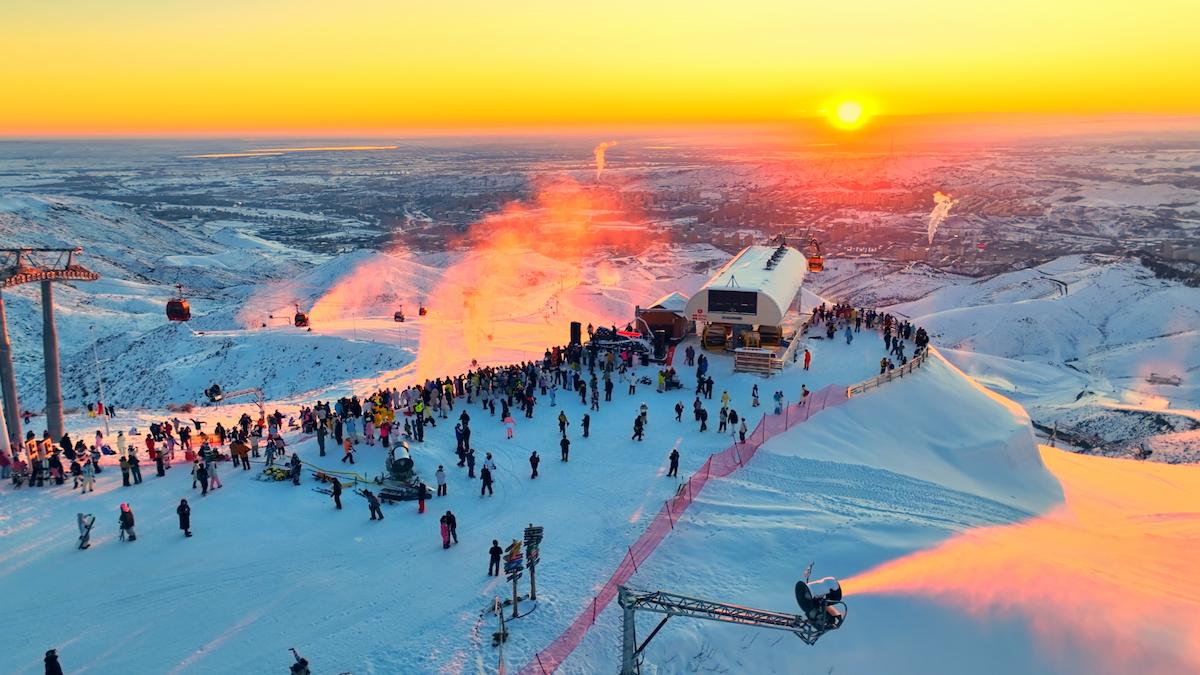
Jiangjunshan is often described as compact, but that undersells how well it is laid out for its job. The front face is a broad, sunny bowl with wide boulevards that suit nervous first-timers and confident cruisers alike; the sides step up into steeper pitches and gladed trails where the snow piles into the caches the Altai is famous for. Because the resort backs directly onto the city, the lift rides are short and you are never far from the base — a real plus when the temperature drops and you want a hot-tea interlude. The vertical is modest next to Cocoa Tuohai, but the trade is accessibility: you can ski more runs in a morning here than you might bother with at a bigger, more remote hill.
Slopes & Lifts
The mountain is compact but well laid out. Lower slopes are wide and gentle — ideal for the best beginner ski resort in Xinjiang shortlist — while higher pitches and side trails give intermediates real mileage. Magic-carpet areas handle first-timers, and the lift network, though smaller than the Tianshan giants, is modern and quick. See the lift tickets & passes guide for current pricing, and compare with snow quality across resorts.
Snow & Season
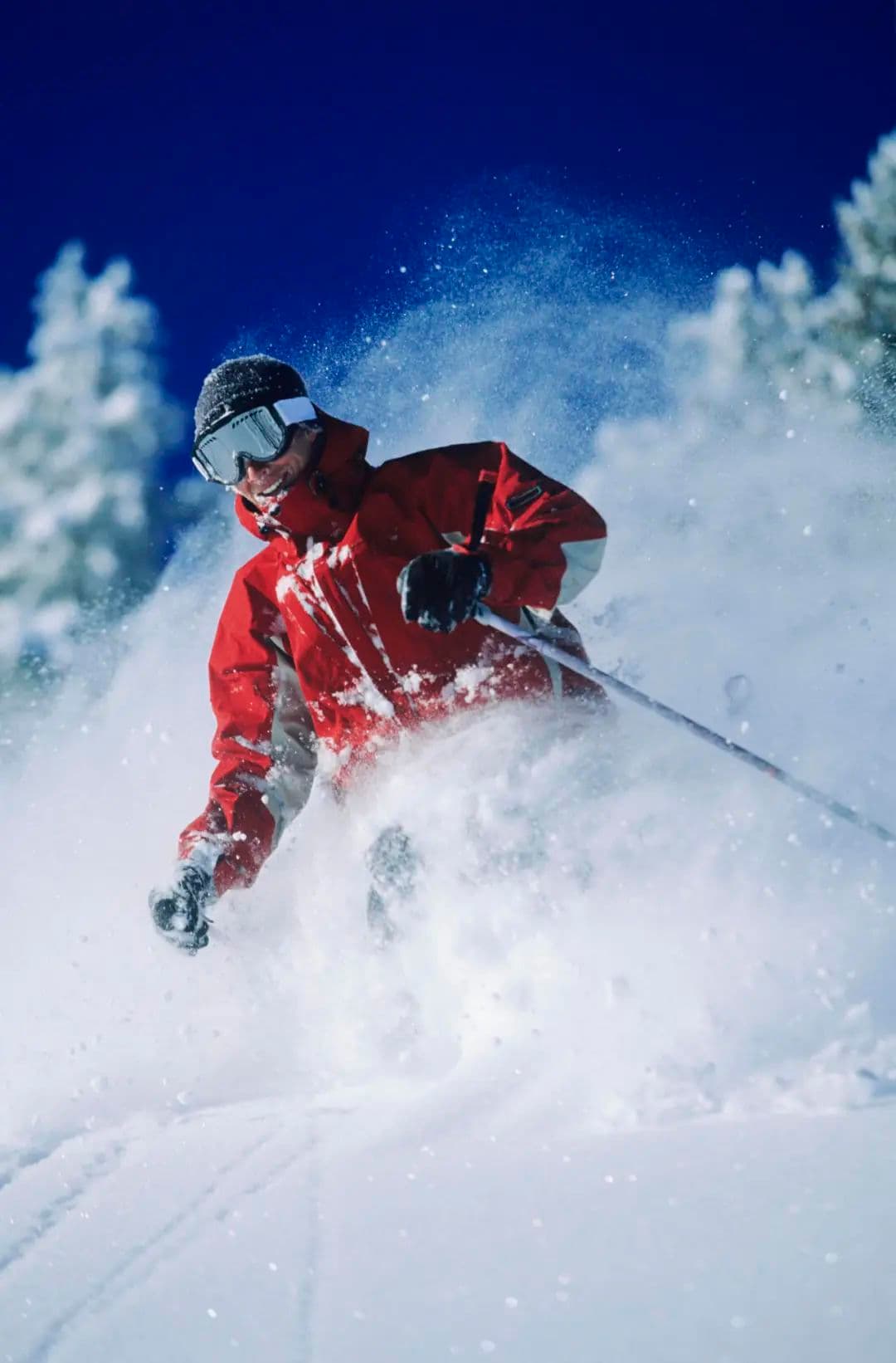
Because Altay sits at the heart of the birthplace of skiing country, snow here is the real deal: dry, deep, and abundant from December through March. Jiangjunshan typically opens in early December and runs into late March. The snow quality comparison rates it highly for consistency close to town, and the resort’s best visiting window is January–February.
Night Skiing
Jiangjunshan is one of the best spots in the region for night skiing in Xinjiang. The floodlit main face means you can ski after work or after a long transfer day — a big plus given the short winter daylight. On a clear evening the city lights below and the lit piste above make for a memorable run, and it is a feature that sets Jiangjunshan apart from the more remote Altai resorts.
Where to Eat and Stay
The single biggest advantage of Jiangjunshan is that you sleep in a city, not a resort bubble. Altay has ordinary hotels, real restaurants, and the full range of local food within a short taxi ride of the lifts — so you are not locked into resort pricing for every meal. Base yourself in the city centre and you get heated rooms, reliable Wi-Fi, and a choice of noodle houses and hot-pot spots, then ski by day and wander a frozen northern town by night. For a slower, prettier alternative, the Hemu village cabins are two hours away, but for pure convenience Jiangjunshan’s town-edge location is unbeatable in the Altai.
Who It’s For
- Beginners & families: gentle, safe, and right by the city — see family ski resorts in Xinjiang.
- Powder curious: a low-commitment way to sample Altai snow before heading to Cocoa Tuohai ski resort or Hemu village skiing for deeper backcountry.
- Short-stay visitors: if you have one ski day in Altay, this is the efficient choice.
Tips From Experience
- Book English ski lessons ahead in peak season — instructors are limited.
- Use taxis or a shuttle from the city; driving yourself in deep cold is unnecessary here.
- Pair a Jiangjunshan day with a side trip to Hemu or Cocoa Tuohai for contrast.
- Bring cash for small base-lodge vendors; cards and apps work but not everywhere.
- Ski the lit slope at least once — the night run with the city glowing below is the resort’s signature moment.
- Arrive midweek for the quietest pistes; locals fill the hill on weekend afternoons.
Off-Piste and Sidecountry
Although Jiangjunshan is known as the friendly city hill, the terrain just beyond the marked runs rewards confident skiers. After a fresh Altai storm, the side trails and the trees above the main face hold light, untracked powder within a short hike of the lifts — no expedition required. Stay within resort boundaries and obey any closure signs, because the backcountry beyond drops into ungroomed, unpatrolled terrain where altitude and weather turn serious fast. If you want to graduate from sidecountry to true backcountry, do it from Hemu or with a licensed guide, not solo off the city hill. For safe progression, the safety guide is essential reading before you stray from the piste.
Off the Slopes: Altay City in Winter
A big part of Jiangjunshan’s appeal is the town beneath it. Altay in deep winter is a quiet northern city of heated blocks, steam from noodle houses, and a slow pace that contrasts with the bright cold outside. Evenings are for exploring on foot: dumpling counters, a snowy riverside park, and the occasional winter festival when the calendar lines up. Because you are minutes from the lifts, you can ski a late session and still be at a restaurant table within the hour — a combination of city comfort and mountain access that almost no other Altai resort can match. It is the easiest place in the region to travel with non-skiers, who have a real town to enjoy while you are on the hill.
How It Fits a Bigger Altai Trip
Think of Jiangjunshan as the friendly on-ramp to the north. Most people use it as day one — a gentle, logistically easy introduction to Altai snow — then push north to Cocoa Tuohai for bigger vertical and Hemu for scenery and backcountry. Because it is so close to Altay’s airport and hotels, it also works as a half-day finale on the way out. The Altay city resorts guide shows how to chain the northern hills, and the itinerary guide slots Jiangjunshan into a full week.
Frequently Asked Questions
Is Jiangjunshan good for beginners?
Excellent — its wide lower slopes and magic carpets make it one of the easiest places to learn in Xinjiang.
Can I ski Jiangjunshan without a car?
Yes. It is the most public-transport-friendly resort in the Altai; the city is minutes away.
How does it compare with Cocoa Tuohai?
Jiangjunshan is convenient and beginner-friendly; Cocoa Tuohai has bigger vertical and wilder scenery. Read the Jiangjunshan review and Cocoa Tuohai review side by side.
Is night skiing included in the day pass?
Usually a separate or combined ticket; check the lift ticket guide for the current structure before you buy.
How long should I spend at Jiangjunshan?
A day is enough for most visitors as a standalone, but two days lets you add a night session and a relaxed city evening. Pair it with nearby hills for a longer northern stay.