

If resort queues and groomed boulevards leave you cold, Xinjiang has an answer that few visitors ever experience: heli-skiing in Xinjiang. With vast, lightly populated mountain ranges and some of the driest snow on earth, the region is a natural stage for helicopter and snowcat skiing. This guide explains where it happens, what it involves, what it costs, and — most importantly — how to do it safely. For the broader backcountry context that surrounds it, start with our Xinjiang Skiing Guide, which frames the regions and the seasons.
Why Xinjiang Is Built for Heli-Skiing
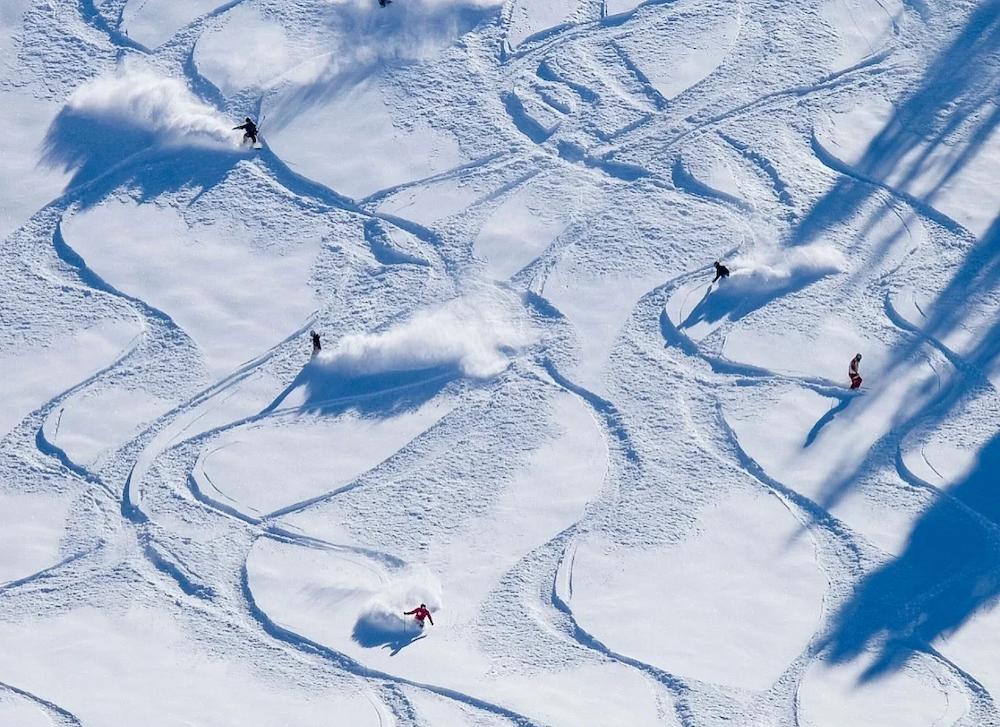
Two things make the region special for this kind of skiing. First, sheer scale: the Altai and the broader Tian Shan offer enormous terrain with almost no one on it compared with classic heli destinations such as Alaska or the Canadian Rockies. Second, snow quality: the dry Siberian storms that feed the north produce light, stable powder that is ideal for steep descents. You can land on a ridge, drop into a drainage no one has touched that season, and ski fall-line powder for a thousand vertical metres — then do it again. The backcountry skiing Xinjiang guide covers the more accessible end of the same appeal if a helicopter is beyond your budget or your comfort zone.
Where Heli and Cat Skiing Happens
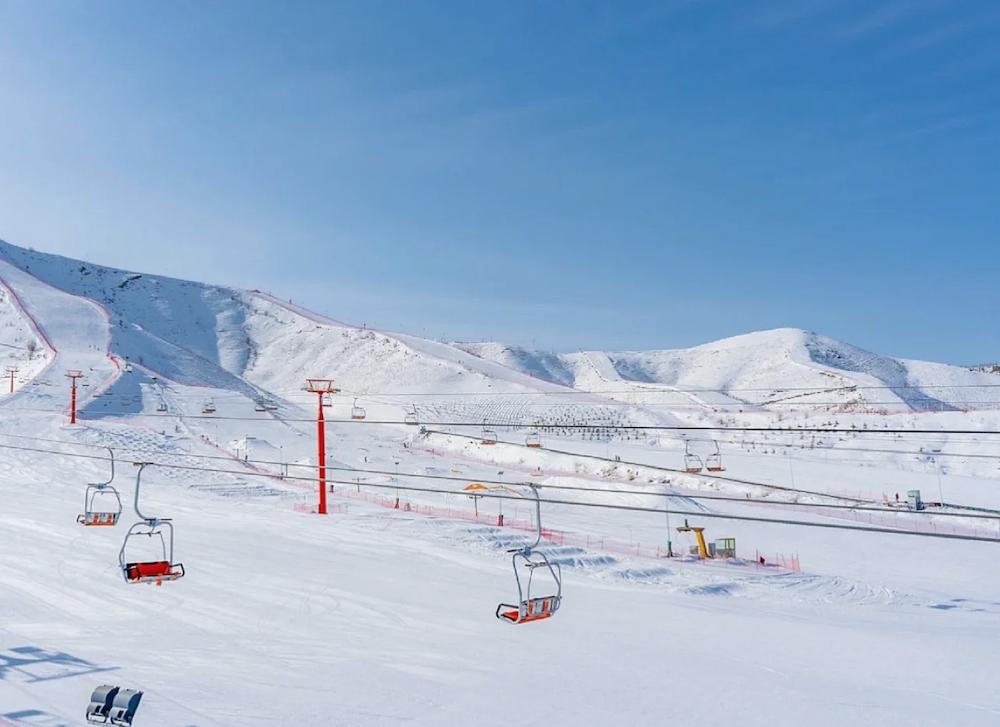
Most operations cluster in the Altai, where the mountains are big and the snow is deepest. Cocoa Tuohai and the areas around Hemu village are the realistic launch points, with operators using nearby valleys and ridges for landing zones. A smaller number of Tianshan operators run helicopter skiing from the higher peaks above the Urumqi resorts, though the Altai remains the headline destination for serious vertical and the most reliable snow. Cat — or snowcat — skiing, which means riding a tracked vehicle to the top instead of a chopper, is the lower-cost cousin and is growing around the same zones, giving powder hunters a quieter, cheaper option. Compare the playgrounds in the Xinjiang ski resorts directory for context on where each hill sits.
What a Typical Day Looks Like
A heli day is structured around weather and safety rather than a fixed clock. Mornings begin with a briefing covering group ability, avalanche risk, communication, and the day’s landing zones. Then it is short flights, long runs, and a hot lunch back at base between loops. Expect four to six runs on a good day, each a descent you would otherwise queue an hour for at a resort. Cat skiing runs similarly but climbs slowly, so you get fewer vertical metres for the patience — and a great deal more quiet. Either way, the experience is guided, grouped by ability, and oriented toward keeping everyone alive and grinning, which is exactly as it should be in remote terrain.
Costs and Booking
Heli-skiing is the premium end of Xinjiang skiing, but still a fraction of what the same day costs in North America or Europe. Pricing is usually by vertical metre or by package — a set number of runs — and the season is short and weather-dependent, so book ahead, because operators run limited seats and good windows fill fast. Cat skiing costs markedly less and is easier to arrange on shorter notice. Whatever you book, confirm that the price includes safety gear, a guide, and insurance; if it does not, walk away. The Xinjiang ski trip cost guide helps you weigh a heli day against a resort-based week so you can decide what fits your budget.
Who It Suits
Heli-skiing is not for first-timers. Operators expect confident advanced skiers who are comfortable in deep snow and variable terrain, because there are no groomed run-outs — just the mountain as it is. If you can handle a steep powder face, trees, and the occasional crust, you are in the right place. Strong intermediates curious about powder should consider cat skiing or a guided backcountry day first to build the skills and judgement. Honest self-assessment protects both your enjoyment and the safety of the group you ski with.
Group size also shapes the experience. Most drops run with small, ability-matched groups so the guide can keep everyone together and the pace suits the weakest skier, not the strongest. That means you should arrive ski-fit and honest about your level, because a mismatched group slows everyone and erodes the day. If you are booking with friends of mixed ability, ask the operator about splitting groups — the extra organisation is worth it for the quality of the skiing you will actually get.
Safety: Non-Negotiable
The freedom of heli-skiing comes with real responsibility. Every reputable operation requires:
- An avalanche transceiver, probe, and shovel per person.
- An airbag pack for many zones and conditions.
- A guide trained in avalanche rescue and first response.
- A pre-flight safety and communication briefing.
- Group travel — no solo drops into remote terrain.
Conditions in the Altai can change fast, and remote rescue is slow, so the Xinjiang ski safety principles apply doubly here. Listen to your guide; they are reading snow and weather that you cannot see from the passenger seat, and their calls are final for good reason. Aim your trip for the deepest-snow window described in the best time to ski in Xinjiang guide, because a thin base makes for a less rewarding and more hazardous day.
Combining Heli With Resort Skiing
A smart trip blends the two: spend a few days on the resort slopes acclimatising and tuning technique, then commit a day or two to heli or cat skiing when the weather clears. That way a storm does not wreck your whole plan, and you still get the untracked experience. Slot a heli day into a week without overcommitting, keeping a buffer for the inevitable weather day that every mountain range eventually delivers, and you will come home with both confidence and a handful of runs you will talk about for years.
Physically, heli-skiing asks more of you than resort riding, so a little preparation pays off. Build leg strength and cardio in the weeks before you travel, because repeated deep-snow turns at altitude tire even fit skiers, and a tired body is a careless body. Bring your own helmet and goggles if you have them, since operator loaner kit may not match your fit, and pack snacks plus water for long gaps between runs — the days are active and the cold hides how much fluid you lose. Most operators will happily advise on fitness and kit when you book, and taking that advice seriously is the difference between surviving the descents and truly enjoying them.
What terrain does heli-skiing open up in Xinjiang?
Heli-skiing in Xinjiang reaches high alpine bowls, long glacier-fed couloirs, and wind-protected powder pockets that are simply too far to access from a lift. The mountains hold cold, dry snow for much of the winter, so runs stay light and untracked. It is terrain defined by altitude and exposure rather than by marked trails.
Operators choose drop points based on the day’s wind, snowpack, and visibility, which means the exact itinerary is decided in the morning rather than months ahead. A typical day involves several short flights and three to five runs, with guides checking snow stability before each drop. Our Xinjiang powder skiing guide explains why the region’s cold smoke stays so consistently light and how to read the conditions that make a run worthwhile. You should be comfortable skiing ungroomed snow at speed and fit enough for repeated climbs if the helicopter cannot land at the top. Expect the pace to be governed by weather windows, not by a fixed timetable. Build a spare day into the itinerary, because a wind hold can ground the helicopter and leave the whole schedule flexible.
How do I judge whether I am ready for a heli day?
Readiness is less about trophies and more about reliable technique in variable snow. You should link parallel turns on ungroomed terrain, recover quickly from a fall, and follow a guide’s instructions without hesitation. Strong leg endurance matters because a single run can be longer than most inbounds trails.
| Skill | Why it matters |
|---|---|
| Parallel turns | Control in breakable crust and wind slab |
| Fall recovery | Getting up fast in deep snow |
| Fitness | Long runs and occasional boot-packs |
Guides assess the group on the first run and adjust subsequent drops accordingly. If you are still building those skills, a season of backcountry ski touring is the natural bridge: it teaches terrain reading and safe travel without the cost of a helicopter day. That experience also teaches you to read snowpack and make conservative decisions when visibility drops.
Frequently Asked Questions
Do I need to be an expert to heli-ski?
Confident advanced is the minimum. You should be comfortable in deep powder and steep, ungroomed terrain without a groomed run-out.
Is cat skiing a good alternative?
Yes — cheaper, quieter, and great for strong intermediates wanting powder without the helicopter premium.
Where is the best heli-skiing in Xinjiang?
The Altai, around Cocoa Tuohai and Hemu, offers the biggest terrain and the deepest, most reliable snow.
How much does it cost?
Premium but far below North American or European rates; expect package or per-vertical pricing, booked ahead.
Is it safe?
With a licensed operator and proper gear, yes. Follow the guide’s calls and never ski solo off a drop.
When is the heli season?
Late January to February is the reliable deep-snow window; book early as seats are strictly limited.
Is cat skiing a good alternative to helicopters?
Cat skiing uses a tracked vehicle to reach similar untracked snow, usually on lower-angle terrain than heli drops. It is often cheaper and less disrupted by wind, though the runs are shorter and the pace slower. Many operators offer both formats, so you can mix a cat day into a heli week. Ask which suits your fitness.
What safety gear is required for heli-skiing?
You will normally need an avalanche transceiver, probe, and shovel, plus a helmet; some operators add an airbag pack. Guides lead the group and manage avalanche risk, but they expect you to carry and use your own transceiver correctly. Check the required kit list when booking, since standards vary between operators and mountains.