

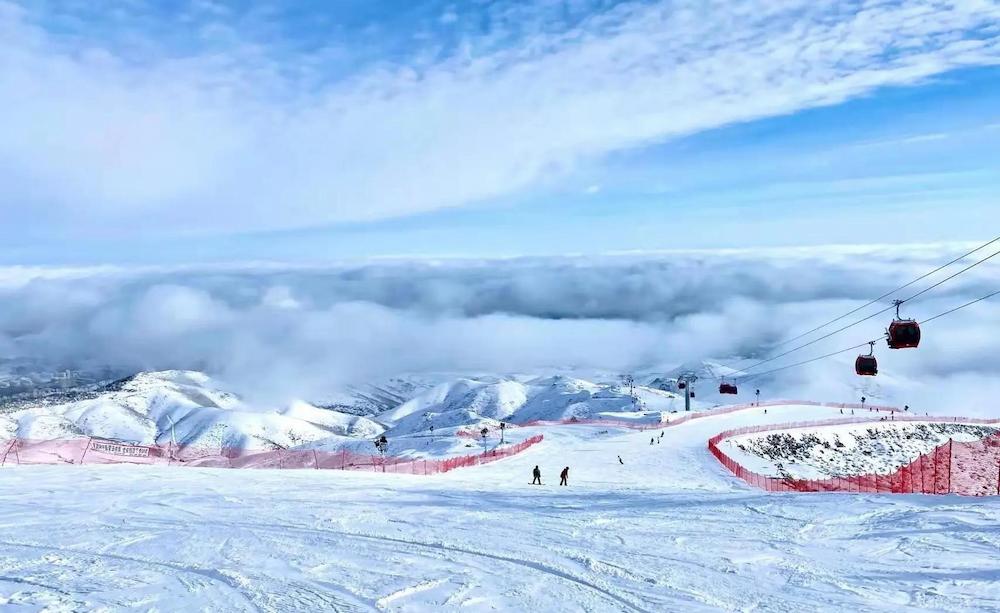
Xinjiang’s mountains hold some of the most inviting backcountry ski terrain in Asia. Far from the groomed runs of the big resorts, the Tian Shan and Altai ranges offer long, silent descents through deep, dry snow. If you have mastered the resort and want to earn your turns, backcountry ski touring in Xinjiang rewards preparation with views and powder you will not find anywhere else on the continent. This guide covers the gear, planning, regions, and safety habits that turn a good idea into a safe, unforgettable trip.
Why Tour the Xinjiang Backcountry
The appeal is straightforward: untracked lines, fewer crowds, and a sense of exploration that lift-access skiing cannot match. The region’s cold, continental climate produces light, dry snow that is a joy to turn in. Many touring routes also pass winter nomad camps and frozen lakes, adding cultural depth to the physical challenge. Unlike the busy pistes of Europe, you can skin for hours here and meet no one, hearing only your own breath and the sound of skins on snow.
- Light, dry snow that floats skis and cushions falls
- Immense vertical relief in the Tian Shan and Altai
- Low crowd density compared with European Alps touring
- Combination of skiing and Silk Road scenery
- Long, cold winters that extend the touring season
Essential Gear for Touring
Touring demands different equipment than resort skiing. Skins let you climb, releasable bindings save knees on the way up, and avalanche safety gear is non-negotiable. A solid Xinjiang ski trip packing list should sit at the top of your planning, because forgotten items in remote terrain are not easily replaced. Beyond the obvious, pack a thermos, spare gloves, and a small repair kit for bindings.
- Touring skis with compatible tech bindings
- Climbing skins cut to your ski width
- Avalanche transceiver, probe, and shovel
- Layered clothing rated for high-wind ridges
- Navigation: map, compass, and downloaded GPS tracks
- Sun protection: glacier glasses and high-SPF cream
Planning a Safe Route
Safety begins before you leave the trailhead. Study the snowpack, check local avalanche bulletins, and tell someone your itinerary. The best time to ski in Xinjiang for touring usually falls between January and early March, when cold temps keep the snow stable and days are long enough for a full ascent and descent. Begin every plan with a conservative objective and a clear turnaround time.
Choose an objective within your group’s ability. A classic first tour might gain 600 to 900 meters of vertical on a moderate slope angle. Save steep couloirs and big lines for when you have local knowledge and a stable forecast. Many visitors first build skills at a resort, then graduate to the backcountry after reading a Xinjiang skiing guide that explains regional conditions. Always travel with at least one partner and keep the group within sight.
Reading the Snow and Terrain
Backcountry judgment is a skill you build over seasons. Learn to identify wind-loaded slopes, test snow stability with small test pits, and recognize terrain traps such as gullies and cliffs below. Local guides teach these habits on the fly, but self-study before the trip makes you a safer partner. Note that Xinjiang’s extreme temperature swings can form hard crusts by midday, so an early start is both safer and more pleasant.
Popular Regions to Explore
The areas around the major resorts make convenient touring bases, because you can hire a local guide and return to comfort at night. Our overview of Xinjiang ski resorts helps you pick a base with nearby backcountry access. In the north, the Altai near Hemu and Kanas delivers fairy-tale forests and reliable snow. Near Urumqi, the Tian Shan offers high alpine bowls reachable from the city in a few hours, ideal for day tours.
Guides, Permits, and Local Support
Hiring a certified local guide is the single best way to reduce risk and find the best lines. Guides handle permits, know the snow, and carry extra safety equipment. They also bridge language gaps in remote villages. If your trip is part of a wider China ski plan, our China skiing guide covers how backcountry rules differ by province and what paperwork foreign visitors need.
Fitness and Acclimatization
Touring is sustained aerobic effort at altitude. Train with uphill hiking, cycling, or stair workouts for six to eight weeks beforehand. Arrive a day or two early to acclimatize above 2,500 meters, and keep the first tour short. Hydration and steady pacing prevent both altitude sickness and early fatigue on the climb. Strong cores and flexible hips also reduce the soreness that surprises first-time tourers after a long descent.
Choosing Partners and Group Size
The right group makes or breaks a tour. Aim for two to four competent skiers who share a similar pace and risk tolerance. Larger groups move slowly and fragment on the climb, which raises the chance someone gets separated. Agree on communication signals, a meeting point at the top, and a sweep system so no one is left behind. If you tour solo, tell the lodge exactly where you are going and when you will return.
Weather and Daily Timing
Mountain weather in Xinjiang shifts fast. Check the morning forecast, watch cloud build-up, and start before first light to be off exposed ridges by early afternoon. Whiteouts are common in storm cycles and can disorient even experienced skiers. Carry a headlamp even on day tours, because an unplanned late return happens more often than people admit. A conservative turnaround time is the habit that brings tourers home safely.
Environmental and Cultural Etiquette
Backcountry zones in Xinjiang are also winter pasture for Kazakh and Kyrgyz herders. Close gates, do not disturb livestock, and pack out every scrap of waste. Stick to established approaches where possible to protect fragile alpine vegetation under the snow. Respecting local customs builds goodwill that keeps touring access open for future visitors and supports the rural communities near the trailheads.
Costs and Logistics
A guided day tour typically includes transport, a certified guide, and safety gear rental, while multi-day hut trips add food and lodging. Booking through a resort ski school is the easiest entry point for foreign visitors. Bring cash for remote villages, because card terminals are unreliable in the mountains. Planning these details in advance lets you focus on the skiing rather than the paperwork once you arrive.
Frequently Asked Questions
Do I need avalanche training before touring in Xinjiang?
Yes. At minimum take a one-day avalanche awareness course and practice companion rescue before heading out. A local guide can supplement this, but personal training is essential.
Can beginners try backcountry touring?
Beginners should start with a guided intro tour on low-angle terrain. Build fitness and skinning technique at a resort first, then progress to short, well-scouted routes.
When is the snow most stable?
Cold, settled periods in mid-winter (January to February) often bring the most stable snow, though you should always check the daily bulletin rather than rely on the calendar.
Is backcountry skiing allowed everywhere?
No. Some areas near resorts or protected parks require permits. Always confirm access with your guide or the local tourism office before planning a route.
How fit do I need to be?
Touring is aerobic and sustained. If you can hike uphill for two to three hours with a pack, you are ready for a moderate introductory tour.
What about altitude?
Many Xinjiang touring zones sit above 2,500 meters. Acclimatize for a day or two and watch for altitude symptoms, especially on multi-day trips.