

Asia has two ski stories that keep pulling international riders west and east: Japan’s famous powder and Xinjiang’s rising star. Both deliver dry snow and a cultural backdrop no Alpine resort can match, but they could not feel more different on the ground. If you are weighing Xinjiang vs Japan skiing, this comparison breaks down snow, cost, crowds, access, and vibe so you can pick the right trip — or decide, sensibly, to do both. For the Xinjiang specifics, our Xinjiang Skiing Guide is the deeper read on the western side of the continent.
Snow Quality
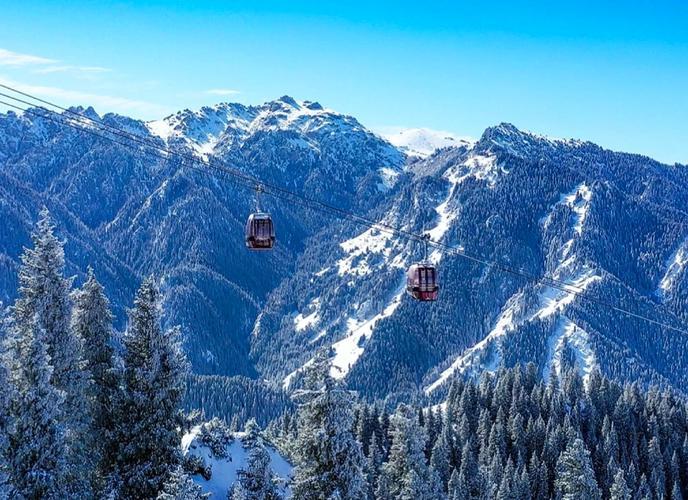
Both regions owe their fame to light, dry powder, but the character of that snow differs. Japan’s Hokkaido gets immense snowfall — metres of it — often a little wetter and heavier at lower elevations, producing the famous Niseko “Japow” that skiers happily queue for. Xinjiang’s Altai gets less total volume but extraordinarily dry, squeaky powder from Siberian storms, and it comes with far fewer people to share it. If your dream is endless face-shots in deep snow, both deliver; if you want the driest possible snow on empty slopes, Xinjiang’s Altai edges it. The backcountry powder guide shows what the north offers for those who venture beyond the ropes.
Cost
This is where the gap is widest. Japan is a developed, premium destination: lift tickets, accommodation, and food in Niseko or Hakuba now rival parts of Europe, and the weak-yen effect has narrowed but by no means closed the difference. Xinjiang remains a bargain — lift tickets, lodging, and meals cost a fraction of Japanese resort prices for equal or better snow. A week of real powder in Xinjiang can run well under a comparable Japanese trip. Our Xinjiang ski trip cost breakdown shows the scale; the contrast is the single biggest reason budget-conscious riders choose the west over the better-known east.
Crowds
Japan’s fame is also its weakness: Niseko and the Nagano resorts get busy, with lift lines and packed slopes in peak season that surprise first-timers. Xinjiang is still under the radar — even the flagship Tianshan resorts are quiet midweek, and the Altai is empty by comparison. If solitude matters to you, Xinjiang wins decisively. The Xinjiang ski resorts directory makes clear how spread out and uncrowded the region remains, which is part of its appeal for riders escaping crowded hemispheres.
Access and Logistics
Japan is easier for most Western travellers: visa-free or simple entry for many nationalities, superb rail and signage, and English widely spoken in resort towns. Xinjiang requires a standard Chinese visa and more self-reliance — less English, app-based payments, and longer transfers between regions. The trade is adventure for convenience. Our how to get to Xinjiang for skiing guide walks the logistics step by step, and the separate visa guide covers entry so you are not caught out at the embassy or the border.
Culture and Après
Japan offers the onsen-soaking, ramen-and-sake après that has become legendary, wrapped in polished resort villages. Xinjiang counters with Uyghur and Kazakh cuisine, Tuva villages, and hot-spring recovery — rawer and less commercial, but deeply memorable. Neither is “better” so much as different: Japan is refined, Xinjiang is raw. The local rhythm in the west runs from laghman noodles after a cold morning to a soak while steam rises off the snow, and it is a recovery culture worth building a rest day around.
Food is where the two regions diverge most pleasantly. In Japan you will eat precisely and politely, often alone with your bowl; in Xinjiang you will likely share big plates family-style, surrounded by locals who are as curious about you as you are about the food. For many travellers that communal, slightly chaotic warmth is the more lasting memory, and it costs a fraction of a Japanese resort dinner. If culture is part of why you travel, this difference alone can tip the decision.
Who Should Choose Which?
- Choose Japan if you want easy access, English everywhere, famous snowfall, and a polished resort experience — and you are prepared to pay for it.
- Choose Xinjiang if you want the driest powder, the fewest crowds, the lowest cost, and a genuine frontier adventure, and you are comfortable with some logistics.
- Choose both if you have two weeks: Japan’s Honshu or Hokkaido first, then Xinjiang’s Altai for contrast and value.
The Verdict
There is no universal winner — only the right fit for your trip. Japan is the safer, easier, pricier classic; Xinjiang is the emerging, cheaper, emptier frontier. For the rider who has “done” Japan and wants something new, or the budget skier chasing powder without the queue, Xinjiang is the compelling pick. For the first-time-Asia skier who values convenience above all, Japan remains the gentle on-ramp. The case for the west as China’s standout ski region is worth reading before you commit either way, and it reinforces what this comparison keeps circling back to.
Making the Call for Your First Asia Ski Trip
If this is your very first skiing in Asia, the decision really comes down to how much friction you will tolerate for how much reward. Japan removes almost every friction point: you land, you ride a train, you ski, everyone understood you, and the onsen awaits. That ease is exactly why it is the right default for skiers who want the experience without the logistics project. Xinjiang, by contrast, asks you to engage — to sort a visa, to navigate a little Mandarin, to plan transfers across a vast region — and in return it gives you something Japan increasingly cannot: space, silence, and snow that feels genuinely unexplored. Neither choice is wrong; they are simply different holidays wearing the same ski boots.
A useful rule of thumb is to let your tolerance for crowds and your budget make the call. If you hate lift lines and watch your spending, Xinjiang wins on both counts and the slightly harder logistics become a fair trade. If your priority is maximum comfort and minimum planning, Japan is the obvious pick despite the premium. And if you are lucky enough to have two weeks, do not choose — ski Japan first for the polish and the famous snowfall, then fly west to Xinjiang for the frontier experience and the value, and you will come home with the fullest possible picture of what Asian skiing can be. Either way, the snow is real, the mountains are magnificent, and you will almost certainly be planning a return before the flight home.
Frequently Asked Questions
Is Xinjiang snow as good as Japan’s?
Different but excellent — drier and less crowded in the Altai, though Japan gets higher total snowfall volume.
Which is cheaper?
Xinjiang, clearly. Lift tickets, lodging, and food cost a fraction of Japanese resort prices for comparable snow.
Which is easier for first-time visitors to Asia?
Japan — visa-free for many, English-friendly, and superbly signed. Xinjiang needs more planning.
Which is less crowded?
Xinjiang by a wide margin; even peak-season resorts there stay quiet midweek compared with Japan.
Can I combine both in one trip?
Yes, with two weeks you can ski Japan and then fly to Xinjiang for contrast, culture, and value.
Is the culture different too?
Very — Japan is refined and onsen-led; Xinjiang is rawer, with Uyghur, Kazakh, and Tuva influences woven through daily life.