

Xinjiang’s skiing is spectacular precisely because it is wild — high, cold, and often uncrowded in a way that European or Japanese resorts have long since buffered away. That beauty carries real risks which the region’s infrastructure does not fully soften for you. Taking Xinjiang ski safety seriously is not about travelling in fear; it is about preparation, so that a demanding environment becomes a great one. This guide covers the two hazards unique to the region — altitude and extreme cold — plus the everyday slope sense that keeps a trip memorable for the right reasons. Read it alongside our Xinjiang Skiing Guide before you book the flight.
Understanding the Altitude
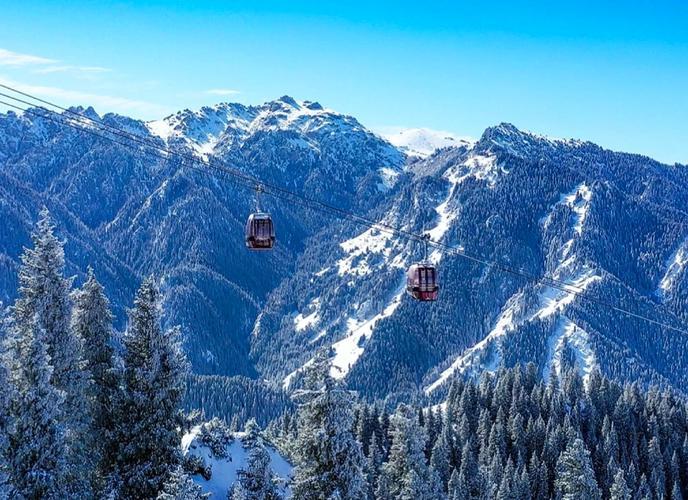
Many of Xinjiang’s resorts sit at genuine elevation. The Tianshan hills around Urumqi begin somewhere in the region of 1,800 to 2,500 metres, and the Altai resorts and their adjoining sidecountry climb well above that. At these heights the air holds noticeably less oxygen, which affects visitors who fly in straight from sea level. The classic symptoms of altitude sickness on a Xinjiang ski trip are a headache, light-headedness, faster breathing, poor sleep, and a general lack of energy. Most people adjust within a day or two if they take it easy at first — the common mistake is skiing hard on arrival day as though the mountain were at sea level, which leaves you wiped out for the rest of the week.
Acclimatising the Smart Way
A simple, repeatable plan works well for almost everyone:
- Spend your first day in the city — Urumqi or Altay — rather than on the hill.
- Hydrate heavily, because the dry air dehydrates you faster than you notice.
- Skip alcohol for the first couple of nights to help your body adjust.
- Ease into skiing with gentle runs on day one, not the steepest pitch.
- Watch children and older travellers more closely; they feel altitude sooner.
If symptoms are mild, rest and water usually resolve them. If someone becomes confused, is breathless at rest, or worsens quickly, descend and seek help — altitude illness is rare at resort elevations but should never be ignored. The Xinjiang ski weather guide also helps you read the conditions that compound altitude stress, such as wind chill and rapid temperature swings.
The Cold Is the Bigger Risk
Honestly, cold is the greater day-to-day hazard than altitude for most visitors. January in the Altai can touch minus 30°C, and even Urumqi regularly sits near minus 15°C. The danger is frostbite on exposed skin and poor judgement from being miserably cold. Dress in real layers: a wicking base layer, an insulating mid-layer, and a windproof shell; add insulated pants, a proper down jacket, and warm gloves plus a thin liner. Keep a spare phone and camera battery in an inside pocket, because lithium batteries drain fast in the chill, and a dead phone in a remote area is a genuine safety gap rather than a mere annoyance when you need to call for help.
Off-Piste and Backcountry Caution
The untracked powder just beyond the ropes is Xinjiang’s great temptation, and it is also where the practical ski safety tips matter most. Xinjiang’s backcountry is not patrolled, and rescue can be slow given the distances involved. If you venture off-piste:
- Never ski alone; a partner is the single most important safety tool you have.
- Carry a beacon, probe, and shovel in any avalanche terrain, and know how to use them.
- Tell someone your route and your expected return time.
- Consider a licensed guide for your first backcountry days — our backcountry skiing Xinjiang guide explains the zones and what to expect.
- Respect closure signs; they mark real hazards, not bureaucracy.
Sun, Wind, and Whiteouts
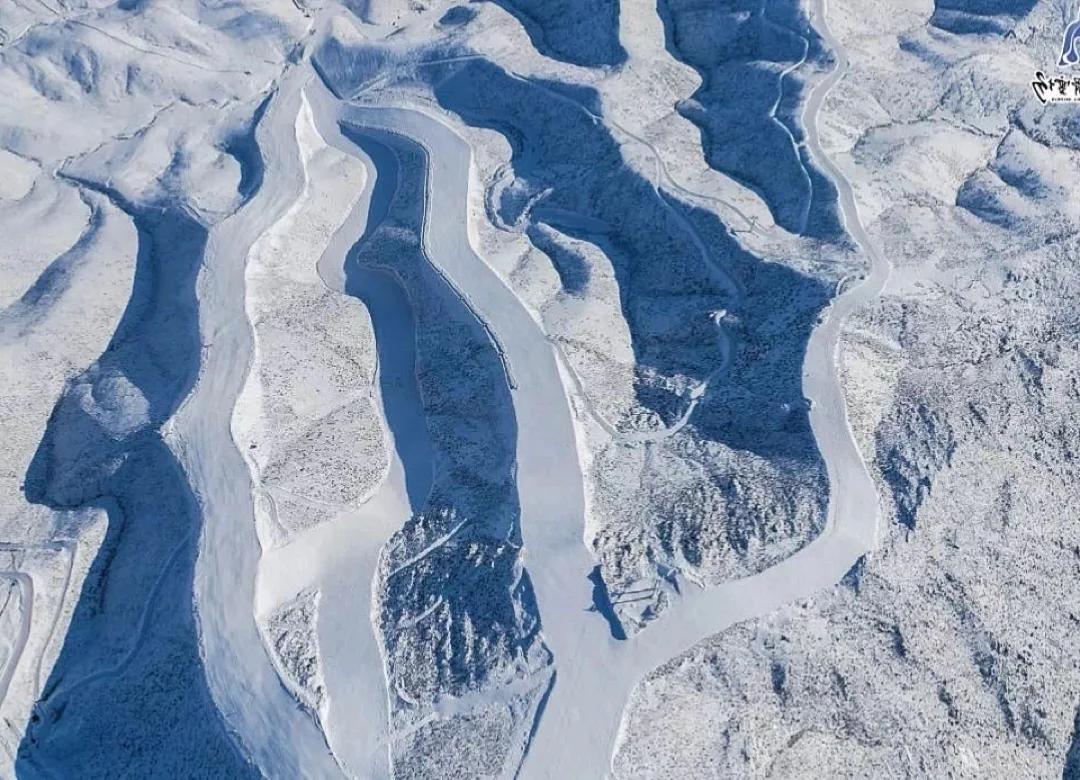
Clear Xinjiang days are dazzling — and that is precisely the problem. Snow glare at altitude causes snow blindness faster than you expect, so wear proper UV goggles or sunglasses even when it feels overcast. Wind is the other variable: a Siberian front can drop visibility to almost nothing on exposed Tianshan ridges within minutes. When a whiteout hits, stick to marked runs or head to the base; the mountain is not going anywhere, and a lost skier in a storm is a serious incident. Check the morning forecast at your resort and trust it rather than your optimism.
Staying Connected
Mobile coverage is good at the main resorts but patchy in the backcountry. Before you head out, tell your hotel or a friend your plan, carry a power bank, and consider a satellite messenger if you intend real backcountry touring. In an emergency, resort staff and the local emergency number are your first call, and knowing your resort name and location saves precious minutes. The resort transfers guide includes contact habits worth adopting for moving safely between zones, especially when a long drive separates one cluster from the next.
Health, Insurance and Common Sense
Travel insurance that covers winter sports and evacuation is non-negotiable for a trip like this. Bring any personal medication in your carry-on, because remote pharmacies may not stock what you need. Pace yourself: fatigue is when injuries happen, and a tired skier on icy afternoon snow makes poor decisions. Build a rest day into any week-long plan — the region’s hot springs are the perfect, and genuinely local, recovery ritual. For the bigger picture on the slopes you will ski, see the Xinjiang ski resorts directory, which profiles each hill and its terrain.
A Pre-Trip Safety Checklist
- Insurance covering skiing and evacuation.
- Layers rated for minus 30, plus sensible spares.
- Spare warm batteries and a power bank.
- UV goggles and sunscreen for glare and burn.
- A partner for any off-piste excursion.
- Two acclimatisation days if flying from sea level.
- Emergency contacts saved offline on your phone.
Before You Ski: A Final Word
The single habit that separates a great Xinjiang trip from a stressful one is pacing. The cold and the altitude both punish arrogance, and the riders who enjoy the region most are the ones who treat the first day as a warm-up, build in a rest day, and respect the weather rather than fighting it. None of this requires special skill — just a little discipline and the right gear. If you are travelling with a guide or a group, lean on their local knowledge; they know which faces hold snow after a warm spell and which gullies to avoid after a big dump. The mountain rewards patience, and the emptiest, best lines are usually the ones you earn by waiting for the right morning.
Frequently Asked Questions
Will the altitude affect my skiing?
It can, especially on day one. Arrive a day early, hydrate well, and ski gently first to let your body adjust.
How cold does it really get?
Urumqi around minus 15°C in January; the Altai can reach minus 30°C. Good layering makes it comfortable.
Is off-piste skiing safe in Xinjiang?
It is rewarding but unpatrolled. Go with a partner or guide, carry safety gear, and tell someone your route.
Do I need special insurance?
Yes — winter-sports and evacuation cover is essential given the remoteness of some of the skiing areas.
Can children handle the altitude and cold?
Usually yes, with sensible pacing and warm gear, but watch them closely and keep first days light.
What is the biggest safety mistake visitors make?
Skiing hard on arrival day while still adjusting to altitude and cold — ease in, and the rest of the week is better for it.