

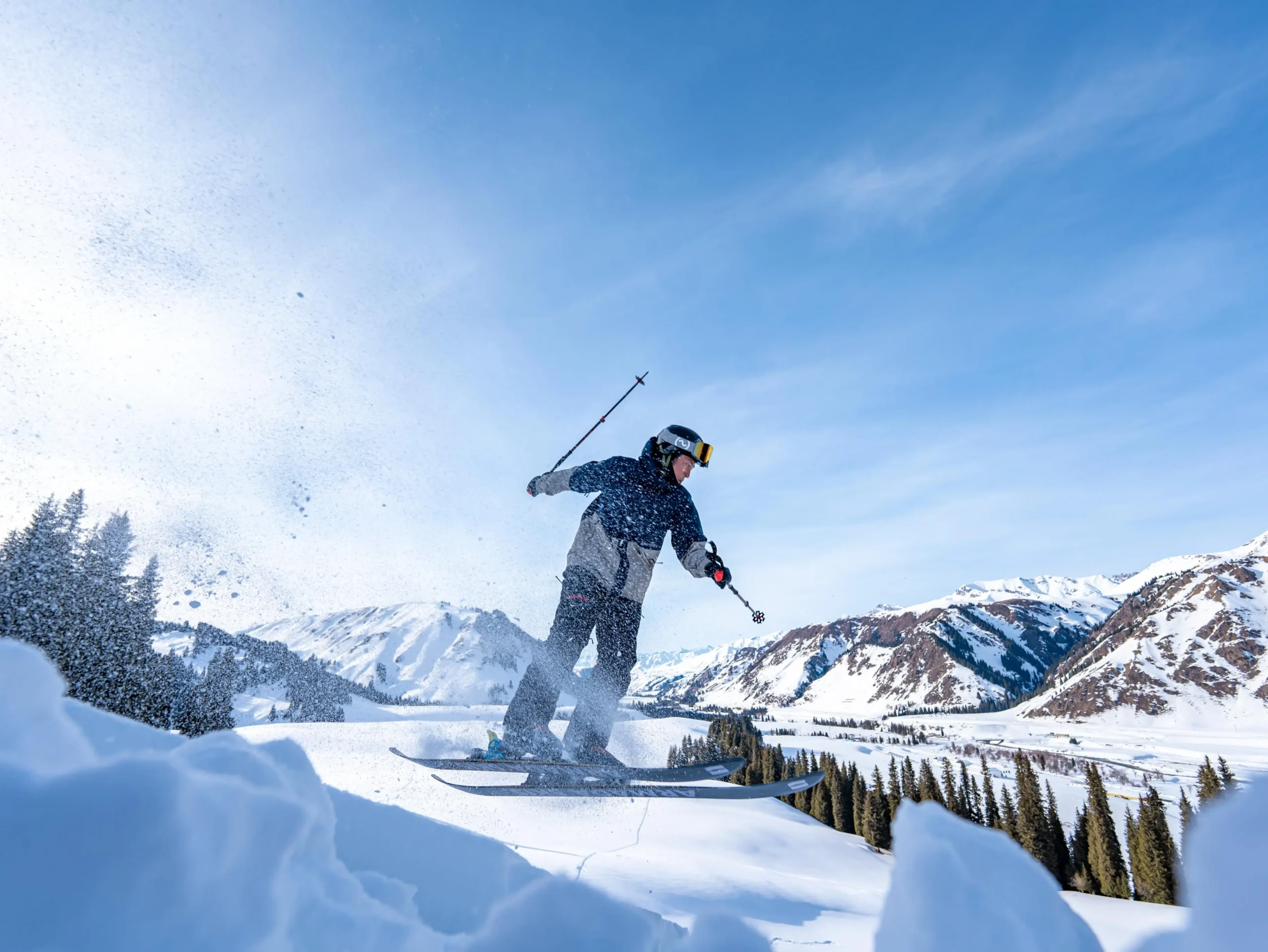
Xinjiang is one of the most photogenic ski regions on the planet. Towering snow-bound peaks, vast silent valleys, and floodlit pistes under a deep blue dusk make every run feel like a postcard waiting to happen. If you have ever wanted to combine a ski holiday with serious photography, this is the place to do it. In this guide we walk through the gear that survives the cold, the techniques that turn flat snapshots into keepers, and the resorts where the light is simply unfair. Whether you shoot on a flagship mirrorless camera or the phone in your pocket, you can come home with images that do justice to the Xinjiang ski experience.
Why Xinjiang Is a Photographer’s Ski Destination
The light in Xinjiang is different. The air is dry and the skies are clear for the majority of the winter season, which means shadows stay crisp and colors stay saturated even at high altitude. The Tian Shan and Altai ranges throw up ridgelines that recede into the distance in soft blue layers, a phenomenon photographers call atmospheric perspective. For anyone who has struggled with the flat grey haze of lowland resorts, the contrast here is a revelation.
Beyond the mountains, the human scale is part of the story. Kazakh and Uyghur herders, wooden lodges with curling smoke, and the occasional yurt town all add cultural texture that most European or North American resorts cannot match. A single morning on the mountain can yield a portfolio of landscapes, portraits, and action shots without ever leaving the ski area boundary.
Choosing Your Camera Kit
Mirrorless Bodies vs Smartphones
You do not need a professional camera to take great ski photos, but the cold does expose the limits of small sensors. A modern mirrorless body with a decent lens will give you dynamic range that survives the bright snow and deep shadow of a clear afternoon. Smartphones have improved dramatically and are perfectly fine for social sharing, but they struggle with highlight clipping on snow and with noise once the sun drops. If photography is a real goal of the trip, bring the camera; if it is a bonus, the phone is enough.
Lenses That Love Snow and Peaks
A wide-angle zoom (roughly 16-35mm equivalent) is the workhorse for landscapes, letting you foreground a friend on the snow while the whole mountain towers behind them. A short telephoto (70-200mm equivalent) compresses those layered ridgelines and pulls distant skiers off the piste for action frames. A fast prime is handy for low-light base-lodge interiors. Most travellers do fine with just the wide zoom and the telephoto.
Essential Accessories
Bring at least three spare batteries and keep them in an inside pocket against your body. A lightweight travel tripod opens up blue-hour and night shots of the floodlit slopes. A microfiber cloth and a small rocket blower are non-negotiable for clearing snow and condensation. A simple neck strap or wrist loop prevents the most expensive accident of all: a drop into powder.
Protecting Gear in Extreme Cold
Cold is hard on electronics, but the bigger enemy is the temperature swing. When you move from a warm lodge to freezing air, condensation forms inside the lens and can fog or even frost the glass. The fix is boring but effective: seal the camera in a ziplock bag before you go inside, and let it warm gradually. Batteries drain fast in the cold, so rotate them and never leave a spare in an outside pocket. After a day in snow, wipe everything down before zipping it into the bag.
Consider a weather-sealed body if you plan to shoot in falling snow. Even without it, a simple rain cover or a plastic bag with a lens hole keeps the worst off. Hand warmers tucked against the battery door can extend shooting time on the coldest days, though they will not perform miracles below minus twenty.
Shooting Technique on the Slopes
Reading the Light
The golden hours in Xinjiang are exceptional. The first hour after sunrise paints the east faces gold while the west stays in shadow, and the last hour before sunset does the reverse. Midday light is harsh and flattening on snow, so save the technical riding for then and keep the camera ready for the edges of the day. On clear nights the slopes are lit with a quality that rewards a tripod and a slow shutter.
Composition in White Spaces
Snow is a giant reflector that can wash out a frame. Look for elements that break the white: a line of trees, a colored jacket, a ridgeline, or the blue shadow of a cloud. Use the rule of thirds to place your subject off-center, and do not be afraid of negative space, it is what gives Xinjiang images their clean, expansive feel. Shoot slightly into the sun for flare and atmosphere, but watch your exposure.
Action Shots of Skiers
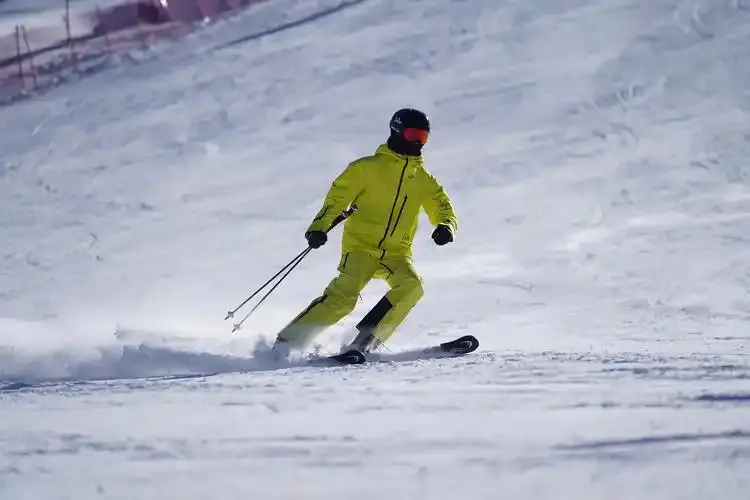
To freeze a friend carving through spray, use a fast shutter speed (1/1000s or quicker) and continuous autofocus. Pan with the skier for a sense of speed while keeping the background blurred. If you want the spray suspended in air, shoot just as they hit a bump rather than after. Burst mode is your friend; you will delete most frames and keep one.
The Most Photogenic Resorts
If your priority is the image as much as the turn, plan around where to ski in Xinjiang for the widest choice of backdrops. The best time to ski in Xinjiang is late December through February, when snow depth and light quality both peak. Among the top Xinjiang ski resorts, the Jiangjunshan ski resort stands out for dramatic ridgelines, while riders chasing untouched snow will love the framing offered by backcountry powder skiing routes that open onto glacier-fed valleys.
Frequently Asked Questions
Do I need an expensive camera to get good shots?
No. A smartphone handles most casual shots well, especially in good light. A dedicated camera helps with dynamic range, zoom, and low-light work, but technique and timing matter more than the body.
How do I stop my battery dying in the cold?
Carry spares in an inside pocket, rotate them through the camera, and avoid leaving gear in outside compartments. Hand warmers near the battery door can add meaningful minutes on the coldest days.
What is the best time of day to shoot?
Sunrise and the last hour before sunset give the richest light and color. Blue hour after sunset, with the slopes floodlit, is excellent for long exposures if you have a tripod.
How do I protect my lens from snow and condensation?
Use a weather cover or plastic bag with a lens hole in falling snow. Seal the camera in a ziplock before entering a warm lodge so condensation forms on the bag, not the glass.
Which resort is most photogenic for beginners?
Resorts with clear sightlines to big ridgelines and open beginner bowls give the easiest wins. Check the resort guides above and pick one with a scenic beginner area rather than a tree-enclosed one.
Can I fly a drone for aerial shots?
Drone rules in China are strict and vary by region and proximity to controlled airspace. Research and obtain any required permits before travel; never assume recreational flying is allowed.