

Xinjiang’s dry continental cold is unlike anything most foreign skiers have faced. Temperatures regularly sit well below freezing, the wind on an exposed Tian Shan ridge bites hard, and a single missed layer can turn a great day into a miserable one. The good news is that dressing correctly is straightforward once you understand the system. This guide to what to wear skiing in Xinjiang walks through base, mid, and outer layers, the small accessories that matter most, and the habits that keep you warm from first lift to last. For the wider trip, our Xinjiang skiing guide covers everything from resorts to season timing so your clothing plan fits the rest of your plan.
Why Layering Matters in Xinjiang
Layering is not a fashion choice here; it is the only reliable way to handle a day that swings between still, sunny mornings and brutal, windy afternoons. A good system traps warm air next to your skin, moves sweat away so you do not sit in damp clothing, and lets you add or remove pieces as conditions change. In Xinjiang specifically, the air is extraordinarily dry, which means you lose moisture fast without noticing and chill quicker than the thermometer suggests. The right layers keep you dry on the inside and protected on the outside, which is the entire battle against the region’s cold.
The Three Core Layers
Base Layer (Wicking)
Start with a moisture-wicking base, ideally merino wool or a synthetic thermal, never cotton. Cotton holds sweat and freezes against your skin, the fastest route to a cold day. A good base sits snug, covers torso and legs, and breathes so you stay dry during exertion. Bring a spare top if you sweat heavily; swapping a damp base at lunch is one of the simplest warmth upgrades available.
Mid Layer (Insulating)
The mid layer traps heat. A lightweight fleece or a thin down or synthetic insulated jacket works well, and you can run two mid layers on the coldest days. The key is loft: trapped air is what insulates, so choose pieces that puff up rather than lie flat. On a mild March afternoon you may shed this entirely, which is exactly why it should be a separate piece rather than part of your shell.
Outer Layer (Shell)
Your shell is your armor against wind, snow, and ice. It must be waterproof and windproof with sealed seams, and it should be roomy enough to fit your mid layers without restricting movement. Look for pit zips so you can dump heat on a sunny boot-pack, and a powder skirt to keep snow out if you fall. A hood that fits over your helmet is a major plus on exposed Xinjiang ridges.
Critical Accessories
- Gloves: Two pairs is ideal: a thinner liner for adjusting gear and a thick insulated waterproof pair for skiing. Hand warmers extend their life in deep cold.
- Goggles: A helmet-compatible pair with a spare lens for low light or whiteout days. The high-altitude UV reflecting off snow is intense, so quality lenses protect your eyes.
- Balaclava or neck gaiter: Covers the face when the wind cuts, and prevents the painful windburn foreign visitors often underestimate.
- Socks: One pair of thin to medium merino ski socks. Doubling up restricts circulation and actually makes feet colder.
- Helmet: Required for lessons and strongly advised for everyone; it insulates the head better than any hat under a hood.
- Sunscreen and lip balm: Easy to forget in the cold, but the reflected UV burns fast and cracked lips are miserable.
Dressing for Different Conditions
Plan your layers around the day, not the forecast number alone. A calm sunny morning in March might need only a base and shell, while a January Altai day demands every layer plus warmers. Watch the wind more than the temperature: wind is what steals heat on Xinjiang’s open slopes. Our best time to ski Xinjiang guide explains how cold and conditions shift through the season, which helps you pack for the specific weeks you travel.
Common Mistakes to Avoid
- Wearing cotton. Jeans, cotton tees, and hoodies soak and freeze; leave them at home entirely.
- Overdressing at the start. You should feel slightly cool on the first chair; you will warm up fast once moving.
- Tight shells. A shell that compresses your mid layers defeats the insulation; size up if needed.
- Neglecting hydration. Dry air dehydrates you quickly, and dehydration makes you feel colder.
- Forgetting spares. A dry base layer or gloves at lunch can rescue an otherwise failing day.
Renting vs Buying
If you are visiting for a short trip, renting a shell, boots, and skis on site is simplest and cheapest, and the main resorts stock decent gear. Buy only your base layers, gloves, goggles, and accessories, since those are personal and worth owning. For a longer stay, our budget breakdown shows where owning versus renting actually saves money, and our packing list lays out the full kit so nothing important gets left behind.
Staying Warm All Day
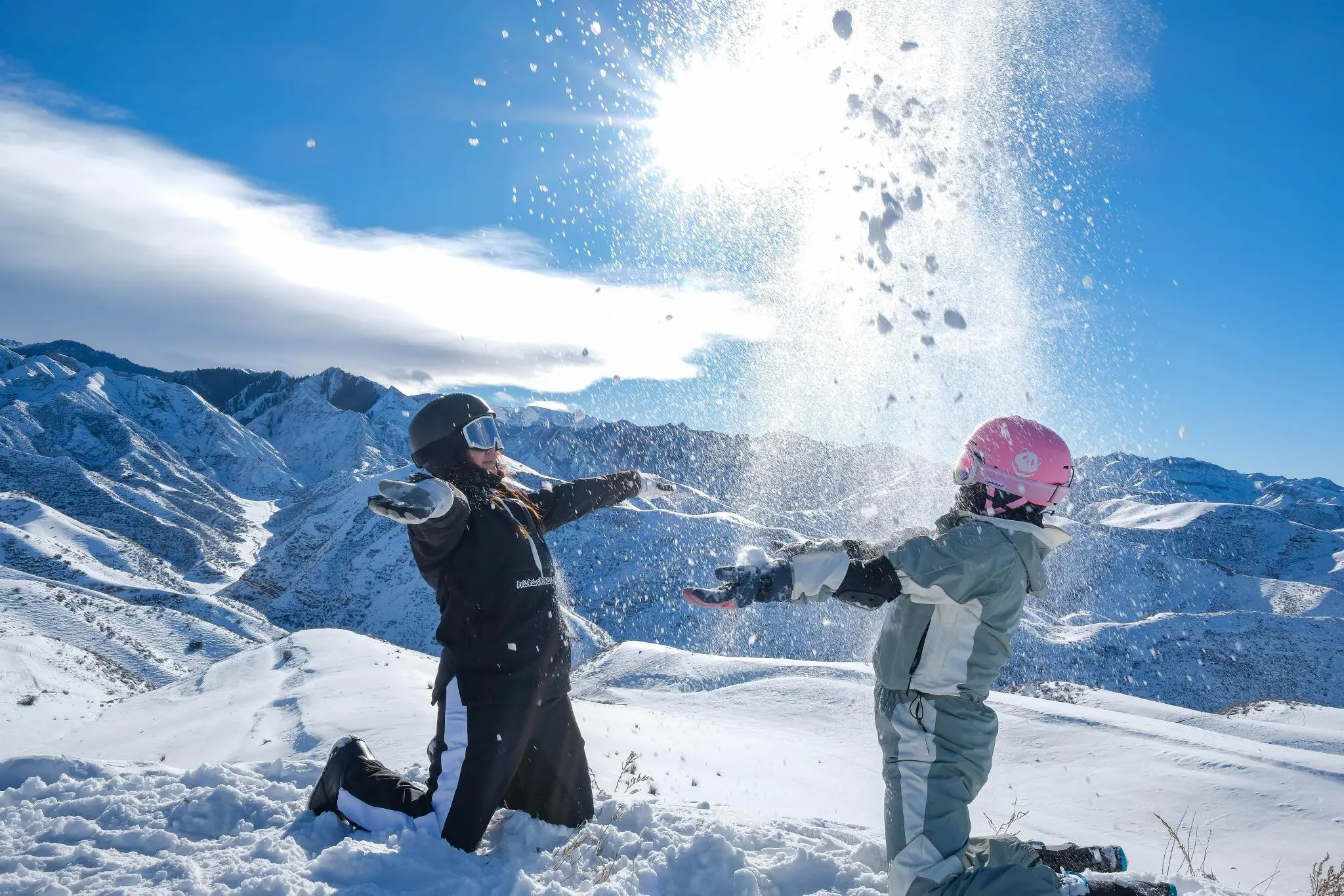
Children need the same logic with extra caution, because they lose heat faster and often will not say they are cold until it is severe. Dress kids in the same three-layer system, check their hands and faces hourly, and keep a fully dry spare set of base layers and gloves in the lodge at all times. A warm, fed child is a happy skier, and the layering system makes mid-day resets quick rather than crisis-driven.
Warmth is a habit, not just a jacket. Take short warm-up breaks before you feel cold, keep moving on lifts, eat and drink regularly, and dry your gloves and boots at the lodge at lunch. Rotate spare layers so you are never sitting in damp fabric, and end the day while you are still warm rather than pushing through a chill. Skiers who treat warmth as an active task almost never have a bad cold day in Xinjiang, no matter how low the thermometer drops.
Frequently Asked Questions
How cold does it get on Xinjiang slopes?
It varies by region and month, but mid-winter days on exposed ridges can sit well below freezing, with the Altai colder than resorts near Urumqi. Dressing in adjustable layers handles the full range.
Can I rent ski clothing in Xinjiang?
Yes, the larger resorts rent shells, boots, and skis, though personal items like base layers, gloves, and goggles are best brought from home for fit and hygiene.
Is cotton really that bad?
For skiing in this climate, yes. Cotton holds sweat and freezes against the skin, which is the fastest way to get dangerously cold. Use wool or synthetic wicking fabrics instead.
How many layers do I need?
Three core layers, base, mid, and shell, plus the accessories listed above. Add a second mid layer on the coldest days rather than one massively thick piece.
What about my feet getting cold?
Wear one pair of thin to medium merino socks, ensure boots are not over-tight, and use toe warmers on extreme days. Tight boots or doubled socks actually restrict blood flow and make feet colder.
Do I need different goggles for flat light?
A yellow or clear low-light lens helps enormously on flat-light or whiteout days, which do occur. Carrying a spare lens is cheap insurance for a comfortable trip.