

There is no better time to feel the soul of Xinjiang skiing than during its winter festivals. The Xinjiang ski festival season, centred on Altay in the far north, turns the region’s deep powder and ancient ski heritage into a few weeks of races, cultural displays, and snow-bound celebration. If you time your trip right, you ski world-class snow by day and join a Tuva bonfire by night. This guide explains what the festivals involve and how to plan around them, building on the Xinjiang Skiing Guide for the wider picture of the region and how the festival fits into a longer northern itinerary that most visitors regret not booking longer for.
Why Altay Is the Festival Heartland
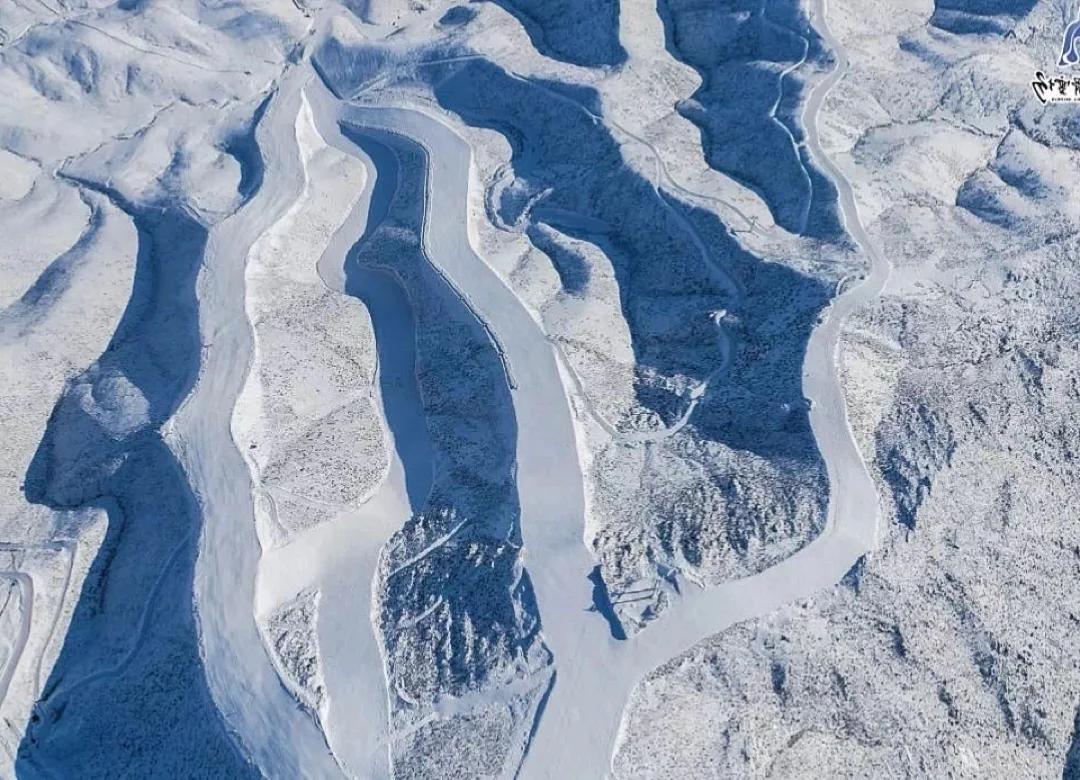
Altay is not just a ski region — it is the birthplace of skiing. Archaeologists have found roughly 10,000-year-old petroglyphs near Altay showing humans on skis, making this the deepest ski heritage on earth. The festivals lean into that story, mixing modern ski races with re-enactments of ancient snow travel and Tuva winter customs. Nowhere else can you race a slalom and then watch a demonstration of traditional skis carved from birch and bound with horsehide. That blend of deep history and deep powder is the festival’s signature, and it is covered in the birthplace of skiing guide, which explains the petroglyphs and the old ski-making craft in more depth than the event itself can show in a single afternoon of demonstrations and talks.
What Happens at the Festival
- Races and demos: amateur and pro ski and snowboard events on the resort slopes, plus freestyle and powder contests that draw riders from across China and a few from abroad.
- Cultural displays: Tuva and Kazakh music, dance, and craft stalls around the base area, with the occasional horse-riding or eagle display that stops the crowd.
- Food courts: regional specialties — mutton skewers, laghman, naan — served outdoors in the cold, often cooked over open fires that smell of home in the thin air.
- Night events: fireworks, lit-slope shows, and bonfires once the short daylight ends and the temperature drops to its clear, sharp evening low.
The exact programme changes each year, but the shape is consistent: a few days of competition wrapped in a longer celebration of winter culture that locals treat as the highlight of the season and travellers remember long after the snow has melted back home.
Where the Festival Takes Place
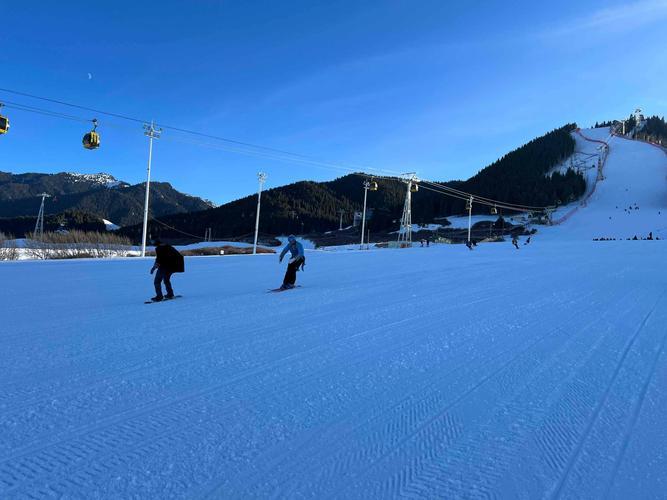
The main events centre on Altai Jiangjunshan ski resort, the city resort on Altay’s edge, with satellite activities in nearby Hemu and Cocoa Tuohai. Basing yourself in Altay city puts you minutes from the action and gives you heated hotels and real restaurants between events. The Xinjiang ski season guide notes the usual festival window, which typically falls in deep winter when the snow base is deepest and the cold is most reliably clear and bluebird after each storm that feeds the celebrations, so the racing conditions are as good as the atmosphere.
Planning Around the Festival
Timing is everything. Festival weeks are busier and pricier than the surrounding season, so book flights and rooms early — the weeks immediately before or after are calmer and better value if you want the snow without the crowds. The where to ski in Xinjiang guide helps you choose a base, and the best time to ski map shows how festival dates line up with the powder window. If you ski the festival, arrive a day early to collect passes and scout the slopes before events begin, because the base area gets congested once the crowds arrive and a familiar mountain saves stress on the days you actually want to ride rather than queue.
Beyond the Races: Culture and Scenery
The festival is really an excuse to explore the north. Hemu village, with its wooden Tuva cabins under deep snow, is at its most photogenic in festival season, and the frozen river and spruce forest make for unforgettable walks. Cocoa Tuohai’s dramatic canyon walls host side events and quieter skiing if the main resort gets busy. Even if you are not competing, the atmosphere — steam from noodle houses, music on the snow, locals proud of their ski heritage — is the memory you keep. Plan a rest day to simply wander and soak it in, because the cultural moments vanish the moment the event packs up and the town goes quiet again until the next winter’s celebration.
Tips for Festival Visitors
- Dress for the cold: minus-20 evenings are normal; layer as you would for any Altai ski day and keep hand warmers in your pockets for the long outdoor shows.
- Book early: rooms and transfers fill during event weeks — use the resort transfers guide and confirm before you fly, because the small northern hotels sell out first.
- Arrive ahead: a buffer day absorbs delays and lets you register calmly instead of racing the clock on the opening morning.
- Mix skiing and culture: ski mornings, festival afternoons and evenings, so you get both the snow and the spectacle without burning out.
- Carry cash: outdoor vendors and craft stalls often prefer it, and ATMs can run dry during the busy week when the whole region descends on Altay.
Is the Festival Right for You?
If you want pure solitude, skip the festival weeks and take the calm either side. But if you want to feel the culture and energy of Xinjiang skiing at its peak — and ski excellent snow while you do — the festival is worth building a trip around. It is also genuinely family-friendly: the open, festive base areas and outdoor food suit all ages better than a quiet powder week. Either way, the Skiing Guide helps you slot the events into a full northern itinerary, so the festival becomes the centrepiece rather than a gamble you hope lines up with good snow.
A Festival Day, Hour by Hour
A good festival day runs like this. Arrive at the base after a warm breakfast and watch the morning races from the lodge deck with a thermos. Ski a few runs on the open slopes mid-morning while the competitors are on the course. Grab street food at lunch as the cultural stage warms up, then wander the craft stalls and catch a Tuva music set in the afternoon sun. Ski one more short session before the light goes, then return for the night show — fireworks over the lit slope and a bonfire with the locals. It is a full, satisfying day that uses the mountain and the culture in equal measure, and it is the version of Xinjiang most visitors say they came to find.
Frequently Asked Questions
When is the Xinjiang ski festival?
It typically falls in deep winter when the snow base is deepest; exact dates shift yearly, so check the season guide before booking flights and rooms, and book the calm weeks either side if you want the snow without the queues.
Do I need to compete to enjoy it?
No — most visitors come to watch, eat, and ski the open slopes. Competition is a small part of a larger celebration open to everyone who buys a lift pass during the window.
Is it family-friendly?
Yes. The festive base areas, food courts and outdoor shows suit children well, and the skiing remains open throughout the event for all abilities, so nobody in the family is left out.
Will it be crowded?
Busier than normal weeks but far quieter than a Japanese or Alpine holiday crowd. Book early for the best rooms and the calmest transfers into the snow-bound north.
Where should I stay?
Altay city, minutes from Jiangjunshan, is the convenient base; Hemu offers scenery if you accept a longer drive and rustic lodging for the atmosphere and the cabin experience.