

Before you let your mind wander to bottomless Altai powder and floodlit Tianshan runs, there is one unglamorous box to tick: the paperwork. The good news is that for the overwhelming majority of visitors, the visa for Xinjiang skiing is simply a standard Chinese tourist visa, and Xinjiang is open to foreign travellers on exactly the same terms as the rest of the country. The only fine print worth knowing is a possible border permit for a few remote frontier areas, plus a little document preparation. This guide untangles both, and pairs naturally with our wider Xinjiang Skiing Guide once your passport is in order.
Do You Need a Special Xinjiang Visa?
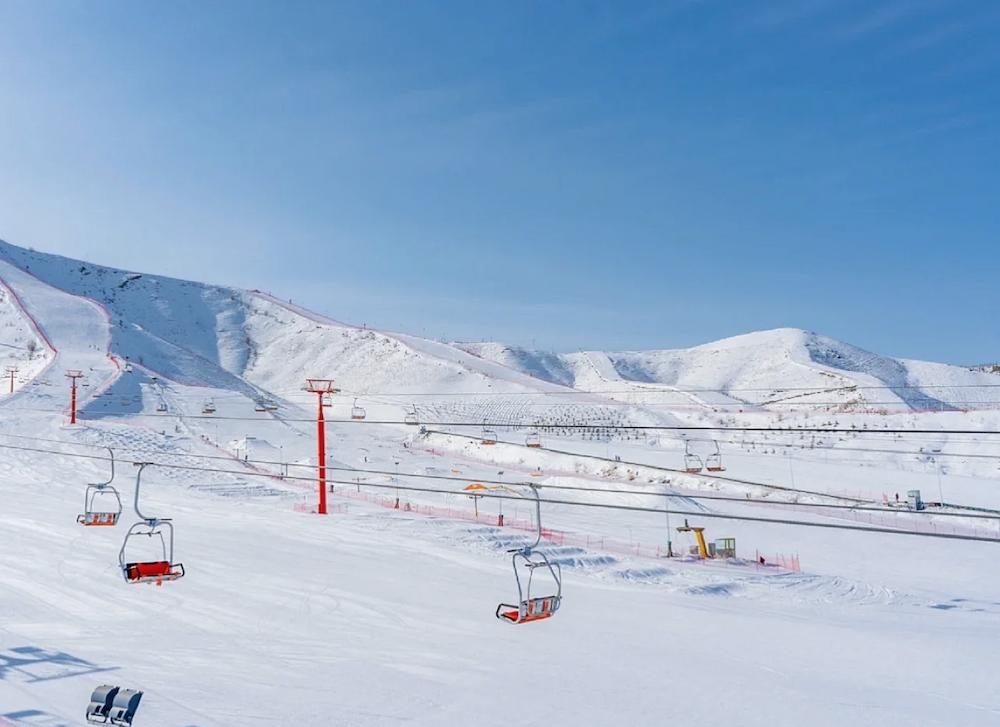
The short and reassuring answer is no. Xinjiang is not a separate country, and there is no such thing as a distinct “Xinjiang visa” that you would apply for separately from a Chinese one. Foreigners enter on the same visas they would use for Beijing, Shanghai, or Chengdu: usually an L (tourist) visa, occasionally a business or student visa if that matches your circumstances. The resorts around Urumqi, the hills above Altay city, and the main ski areas are all located in zones that are fully open to foreign travellers without any extra regional permit. Much of the confusion stems from older travel advisories about restricted border strips, which apply only to a thin sliver along certain international frontiers and never to the ski regions where tourists actually spend their days.
Which Chinese Visa Should You Apply For?
For a normal ski holiday, apply for an L (tourist) visa at a Chinese embassy or consulate before you travel. The documentation is straightforward and similar to what most countries ask for:
- A passport valid for at least six months beyond your intended departure.
- A completed application form together with a recent passport-style photo.
- Proof of onward travel, typically a flight booking leaving China.
- A rough itinerary or confirmed hotel booking for your first few nights.
Some travellers combine skiing with work, study, or family visits, and in those cases the appropriate business, student, or other visa applies instead. Whatever the category, apply at least a month in advance; processing is usually fast, but embassy workloads and local holiday closures can introduce delays you do not want on the eve of a trip. If you are weaving Xinjiang into a larger China ski journey, our skiing in China for foreigners guide covers the national entry rules in considerably more depth.
The Border Permit Question
Here is the single nuance that is genuinely worth understanding. A small number of areas sitting close to international frontiers in Xinjiang are designated as restricted and require a border permit, often referred to locally as a travel permit. The ski resorts themselves — Jiangjunshan, Cocoa Tuohai, Silk Road, Tianchi, Sun Mountain, and the rest — sit well inside open zones and do not require one. However, if your plans include a detour to a remote border-region village, a frontier military zone, or a particular off-the-map scenic spot, check first. Where a permit is needed, it is issued by the local Public Security Bureau and is usually uncomplicated for genuine tourists travelling with a guide. Our overview of the Xinjiang travel permit rules is a sensible starting point, but always confirm the specific location with your hotel or tour operator before setting out.
Documents to Carry on the Ground
Once you land, keep your paperwork within easy reach. You will not be stopped constantly, but it is wise to always have:
- Your passport, carrying the original rather than only a photo when moving between regions.
- Your Chinese visa page clearly visible and unmarked.
- Hotel registration records — by law, hotels register foreign guests with the police, and city and resort hotels do this automatically at check-in.
- Any border permit you were issued, if your itinerary required one.
Registering at each new hotel is a normal procedure for all foreign visitors in China and is not a cause for concern. Keeping digital copies of everything in a cloud folder is a sensible backup in case of loss or damage in the cold.
Booking Flights and the First Transfer
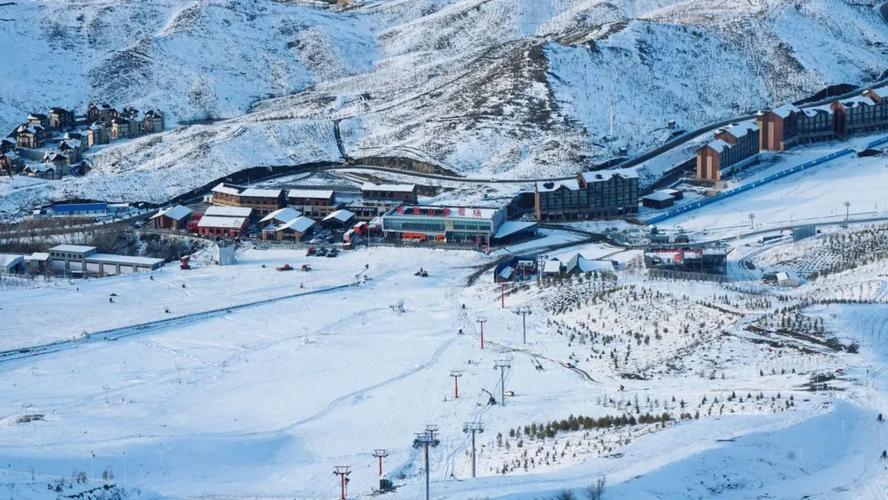
Most international skiers fly into Urumqi, the regional hub with the broadest flight connections, and then transfer to their chosen resort cluster. A smaller number fly directly to Altay’s snow airport for the northern powder fields. Either way, have your accommodation booking and a transfer plan ready to show if asked at immigration, since this smooths the arrival considerably. The logistics of reaching the slopes are detailed in our how to get to Xinjiang for skiing guide, and the resort locations are laid out in the Xinjiang ski resorts directory so you can see exactly where each hill sits relative to the airports.
Timing Your Application Around the Season
Xinjiang’s ski season runs roughly from late November to early April, with the deepest, most reliable snow falling in January and February. Because Chinese New Year — whose date moves, usually landing in January or February — is the busiest travel period of the year, embassies can be swamped in the weeks beforehand, so apply early if your trip overlaps the holiday. If you want to align your visit with the best snow window, our best time to ski in Xinjiang guide explains the month-by-month trade-offs in detail. A well-timed visa application means you arrive to fresh powder rather than a waiting list or a fully booked flight.
Common Mistakes to Avoid
- Applying too late. A one-month buffer is the safe minimum, and more is wise around holiday periods.
- Assuming Xinjiang needs a separate visa. It does not — a standard Chinese visa covers it.
- Skipping hotel registration. Always let your hotel register you; do not book only informal stays.
- Forgetting permits for side trips. Resorts are fine, but remote border detours may need paperwork.
- Relying on digital copies only. Carry a physical passport; phones lose charge fast in the cold.
Building the Permit Step Into Your Plan
Treat the visa as the first step in a sequence rather than a hurdle standing alone. Once it is stamped into your passport, the rest of the plan falls neatly into place: book flights, reserve accommodation, sketch an itinerary that suits your available days, arrange gear, and go. Most skiers who run into difficulty do so not because Xinjiang is hard to enter, but because they left the paperwork to the final week and then scrambled. Do it early, keep copies both physical and digital, and the only thing left to worry about will be the cold and the next powder day.
Frequently Asked Questions
Do I need a special visa just for Xinjiang?
No. A standard Chinese tourist (L) visa covers Xinjiang, including the main ski resorts and the cities that serve them.
Will I need a border permit to ski?
Not for the resorts themselves. Permits apply only to a few remote frontier areas you are unlikely to visit on a normal ski trip.
How far ahead should I apply?
At least a month before travel; apply earlier if your trip overlaps Chinese New Year, when embassies are busiest.
Can I get a visa on arrival?
China generally does not offer tourist visa-on-arrival for most nationalities, so apply at an embassy before you fly.
Do I need to register with the police?
Hotels register foreign guests automatically at check-in. Keep your passport with you when moving between regions.
Is Xinjiang safe for foreign skiers?
Yes. The main concerns are weather and altitude, not security. Resorts and airports are well managed through winter.