

Knowing the best time of day to ski in Xinjiang turns a good trip into a great one. The region’s dry, continental snow and high, sunny resorts make the daily rhythm of light, wind, and temperature more dramatic than in milder ski regions. Ski too late and you fight heavy afternoon slush; ski too early and you scrape ice in the dark. This guide breaks the day into windows so you can plan runs, beat the crowds, and catch the best snow and light Xinjiang offers.
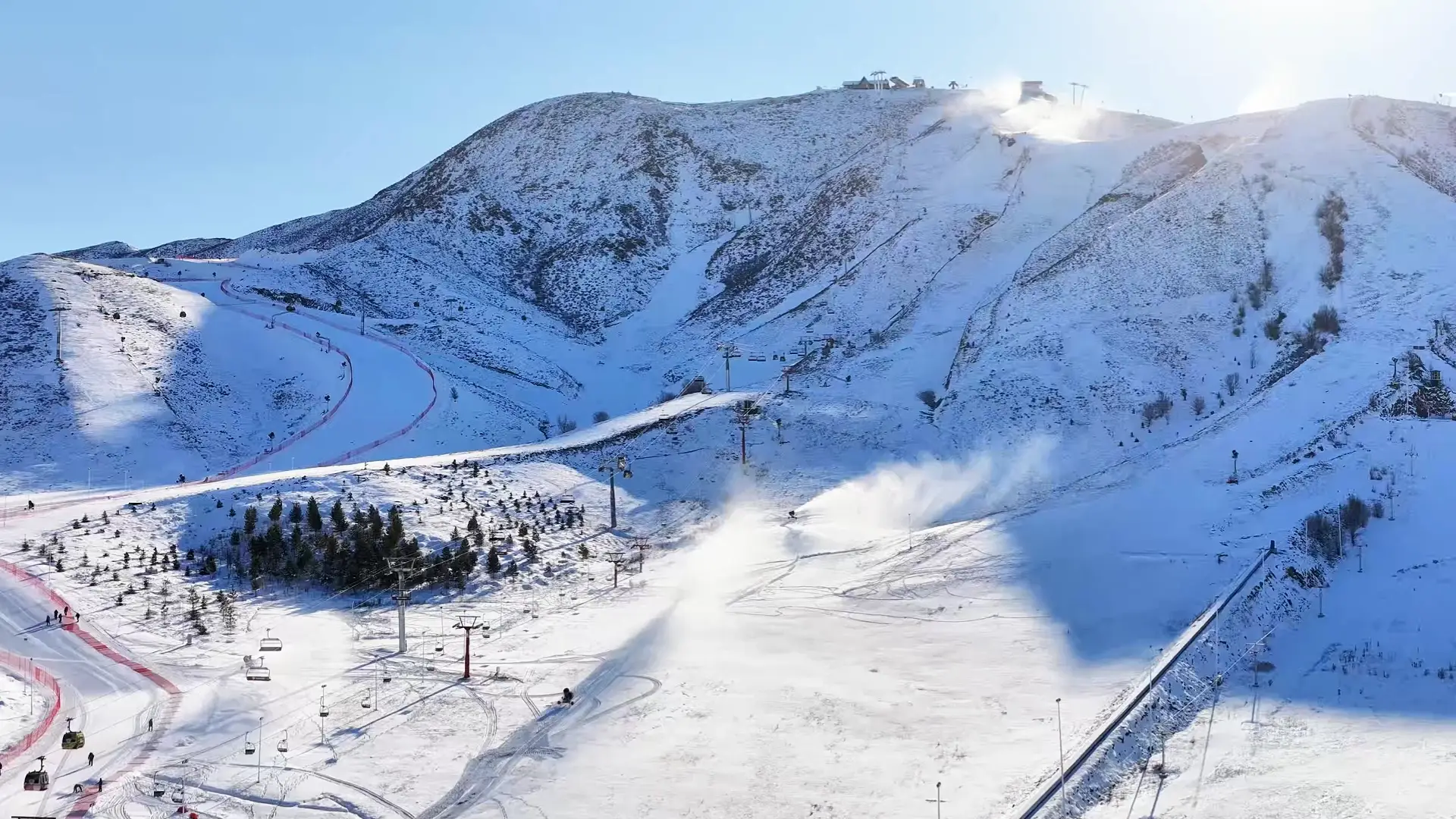
Why Timing Matters More in Xinjiang
Xinjiang’s snow is famously dry, which means it holds quality longer than humid snow but also sets up firm overnight. Combine that with big temperature swings and frequent afternoon wind on exposed ridges, and the clock becomes a real factor. Unlike maritime resorts where conditions stay soft all day, here the difference between a 9 a.m. groomer and a 3 p.m. run can be the difference between hero snow and survival skiing. Reading the day is a skill worth learning on your first morning.
Early Morning: The Quiet Window
The first two hours after opening are gold. Groomers are corduroy-smooth, the air is still, and the lift lines are short before the buses arrive from town. It is cold, often well below zero, so dress for it and keep moving. This is the window for blue runs, first tracks on the freshly groomed, and the clean light that makes the mountains glow. Arrive at the base fifteen minutes before the first lift and you will own the mountain.
Late Morning: The Sweet Spot
By late morning the surface has relaxed from its overnight firm set but has not yet turned heavy. This is when most skiers find the most enjoyable snow and the most forgiving light. It is also when ski schools and groups head out, so the popular beginner slopes busier, but the higher terrain stays calm. Use this window for your longest runs and your most ambitious lines, because the next shift favors comfort over speed.
Afternoon: Corn and Slush
In spring, the afternoon brings corn snow, a dense, grippy delight that carves beautifully once you tune to it. In deep winter, the same window can turn heavy and grabby as the surface warms. Either way, the afternoon is for lower-angle terrain, tree runs that hold shade, and letting the legs recover. Save the steep stuff for the cool of morning unless you enjoy post-holing through mashed potatoes.
Golden Hour and Sunset
The hour before closing often delivers the most photogenic light, with long shadows and alpenglow on the ridgelines. It is not the fastest snow, but it is the most memorable. Many resorts close upper lifts before the sun drops behind the peaks, so plan your last big descent with daylight to spare and leave the final run as a gentle cruise back to the base while the valley turns gold.
Night Skiing
Several Xinjiang hills keep floodlit slopes open after dark, and night skiing sessions have a quiet, social charm that daytime misses. The snow stays firm under the lights and the cold keeps it from breaking down. It is a great way to add mileage on a short winter day, or to ski casually after a late arrival without burning a full ticket. Dress warmer than you think; radiated heat leaves fast once the sun is gone.
Wind, Lifts and Timing
High Xinjiang resorts are exposed, and wind holds are common by midday on ridgelines. The practical move is to ski the upper mountain early, before the chairs stop, and drop to sheltered lower terrain as the breeze builds. Resort choice and aspect matter: a resort with more tree shelter and lower peaks stays skiable longer on windy days, while an exposed alpine bowl may close by noon.
Timing by Season
In early and late season, the sun is stronger and the day is shorter, so the productive window compresses toward late morning and early afternoon. In deep winter, cold and wind push the best skiing earlier, and darkness falls fast after four. March stretches the day and softens the snow, rewarding patient afternoon skiers with perfect corn. Adjust your alarm to the month, not to habit.
Resort-Specific Rhythm
Big destination resorts with huge terrain let you chase sun and shelter across aspects all day. Smaller hills reward a tight, efficient morning loop. At Cocoa Tuohai and similar high venues, the first lift is the best lift; at lower, sheltered resorts you can relax the schedule and still find good snow at noon. Ask locals which chair catches the morning sun and which holds shade.
First Tracks and Fresh Snow
After a fresh dump, the best time of day is unambiguous: the moment the lifts open. Xinjiang’s dry snow does not collapse into heavy mush the way humid snow does, so even a late opener can find soft turns, but the untouched lines vanish within the first hour on popular hills. If powder is the goal, set the alarm, ride the first chair, and ski the high bowls before the wind or the crowds arrive. The early reward is both snow quality and solitude.
Photography and Light
The light is a quiet reason timing matters. Bluebird mornings give clean, contrasty shots of the ridgelines, while the low sun of late afternoon paints the snow gold and throws long shadows that show its texture. Side light around 3 p.m. is beloved by photographers for revealing corduroy and wind features. If you carry a camera, plan a few runs specifically for the light rather than squeezing photos between turns on a cold finger.
Timing for Different Abilities
Beginners do best in late morning on sunny, sheltered slopes when the surface has softened and the nerves have settled. Strong skiers should grab the high, cold terrain early, before wind holds and before the snow heats up. Families often find midday ideal: everyone is warmed up, the sun is high, and a long lunch breaks the day nicely. Match the window to the skier, not to a fixed rule.
A Sample Day Plan
A productive Xinjiang day might look like this: arrive fifteen minutes before the 8:30 opening, ski the upper groomers and first tracks from 9 to 11, shift to longer scenic runs and a coffee from 11 to 1, move to lower-angle and tree terrain as the surface warms from 1 to 3, and finish with a gentle golden-hour cruise back to the base. It leaves the mountain while the light holds and the legs still work, which is the whole point.
Frequently Asked Questions
What is the best single window to ski?
Late morning, roughly two to four hours after opening, balances soft snow, good light, and short lines. Arrive early to claim the groomers, then settle into the sweet spot before the crowds peak.
Is afternoon skiing bad in Xinjiang?
Not bad, just different. Deep winter afternoons get heavy; spring afternoons bring fun corn. Use the afternoon for lower-angle and shaded terrain, and save steep lines for the cool morning.
Can I ski at night?
Yes, at resorts with floodlit slopes. Night skiing is calm, social, and a smart way to add runs on a short winter day. Bundle up, because it cools quickly once the sun is down.
How do wind holds affect my day?
Exposed upper lifts often close by midday. Ski high and early, then move to sheltered lower terrain as wind builds, and pick resorts with tree cover on windy forecast days.