

A clear picture of Xinjiang ski weather month by month is the backbone of a good trip. Xinjiang’s climate is continental and extreme: frigid, dry winters and intense high-altitude sun, with snow that lasts from late autumn deep into spring. Temperatures, wind, and daylight all shift sharply across the season, and each month skis differently. This guide walks the calendar so you can pack right, book the right window, and set realistic expectations before you fly.
The Big Picture
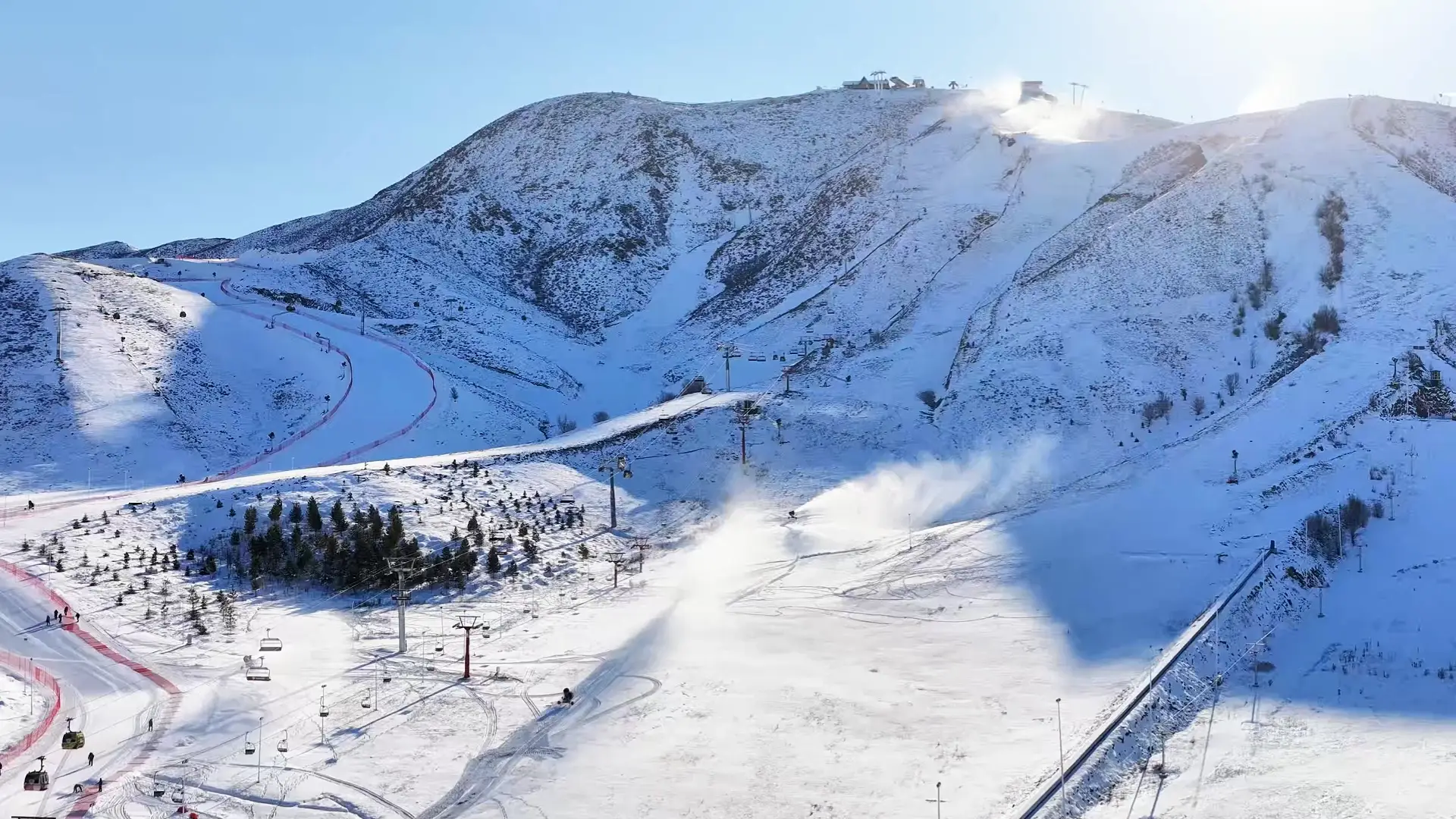
Most skiing happens in the far north and around Urumqi, where a continental climate delivers reliable cold and abundant dry snow. The core season runs roughly November through March, with the deepest cold in January and the softest spring snow in March. Expect big daily temperature swings, brilliant sunshine, and very low humidity, all of which shape both the snow and your packing list more than rainfall ever would.
November: The Opening
Early resorts open in November as temperatures drop and the first solid snowpack builds. Days are short and cold snaps are possible, but crowds are thin and prices are low. Snow coverage is not yet full on every hill, so check each resort’s opening calendar. This is a quiet, cheap month for keen skiers who do not need every lift spinning and enjoy empty slopes.
December: Cold and Bright
December brings settled cold, reliable snow, and the run-up to holidays. Expect minus ten to minus twenty, brilliant blue skies, and dry powder that holds beautifully. Daylight is limited, so plan early starts. The pre-holiday weeks are calmer than Christmas and New Year, which draw the biggest domestic crowds of the season and push prices up.
January: Deep Winter
January is the coldest month, with Altay regions often sitting below minus twenty for stretches. The snow is superb and the light is clean, but frostbite risk is real and wind holds are more likely on exposed ridges. Dress for extremes, ski the warm windows, and keep exposed skin covered. This is the month for serious powder hunters who respect the cold.
February: Cold With More Daylight
February stays cold but the days lengthen noticeably, giving you more productive skiing hours. Snow quality remains excellent, and the Spring Festival holiday brings a burst of crowds and higher prices around the lunar new year. Ski before or after that spike for the best balance of conditions and quiet slopes, and book lodging early if your dates overlap the holiday.
March: Spring Corn
March is the sleeper favorite. Days warm, the sun strengthens, and the snow transforms into forgiving corn that carves beautifully by late morning. Snow quality and coverage stay strong at altitude even as the valley warms, and prices ease after the holiday peak. Pack for swing temperatures: cold mornings, t-shirt afternoons, and the best light of the year.
Sun, Wind and Cold
The defining features are sun and dryness. UV is intense at altitude and reflected off snow, so sunscreen is non-negotiable even when it feels freezing. Wind is the wild card, especially on exposed alpine chairs; it drives lift holds more than snow does. Altitude and cold safety matter because thin, dry air hides dehydration and mild altitude effects until they sneak up on you.
Packing by Month
November and March call for layered, adaptable kits with lighter mittens and a shell you can open as the sun rises. December through February demand genuine extreme-cold gear: insulated mittens, full balaclavas, and a puffy you will actually wear on the lift. Always pack one warmer outfit than you expect, because mountain weather overrides the forecast more often than not.
Reading the Forecast
Watch three numbers: the low, the wind, and the sunlight hours. A brutal low with no wind is skiable and often bluebird; a moderate temperature with high wind can close upper lifts. Clear, cold, calm days are the prize. Local resort webcams and weather stations beat generic city forecasts, because conditions on the mountain differ sharply from the valley floor where you sleep.
Temperature Ranges by Month
As a rough guide, November days often sit around minus five to minus fifteen, December and January plunge to minus ten through minus twenty or lower in Altay, February stays firmly cold but brightens, and March swings from below zero mornings to a few degrees above by afternoon. These are planning ranges, not promises; a clear calm day can feel mild while a windy one bites hard at the same temperature. Pack for the low, dress in layers, and let the actual morning decide the plan.
Snowfall Patterns
Xinjiang snow is predominantly dry and light, the kind that piles into deep, airy packs rather than wet slabs. Storms arrive in waves through mid-winter, building a base that lasts the season, while spring brings fewer but warmer systems that refresh the surface overnight. Because the snow is dry, it preserves well between storms, so you do not need a fresh dump to find good turns; you need a clear, cold day and an early start.
Crowds and Travel Timing
Weather is only half the calendar. Domestic holidays, especially the New Year and Lunar New Year, pack the resorts and lift lines regardless of conditions. The quietest snow often falls on ordinary weekdays in January and February, when cold keeps casual visitors home but dedicated skiers are rewarded with empty corduroy. If your dates are fixed around a holiday, book lodging and lessons early and ski the first hours to dodge the rush.
What to Expect on Arrival
Plan a day to acclimatize if you fly straight from a low, warm home to a high, cold resort. The dry air and altitude can flatten the first day, so treat arrival as light skiing plus rest rather than a full assault. Hydrate, moisturize, and keep the first session short; most visitors feel stronger by day two, just as the weather window they researched finally lines up.
When the Season Wraps
Most resorts close by late March or early April as the valley warms and the snowline retreats uphill. If you chase the very end of the season, expect limited lift access and bare patches low down, but excellent corn high up on cold mornings. It is a specialist’s window: cheap, empty, and reliant on altitude. For a first trip, mid-season remains the safer, more complete experience with every lift and lesson running and the full range of terrain open.
Frequently Asked Questions
What is the coldest month to ski Xinjiang?
January is the coldest, with Altay regions frequently below minus twenty. The snow is excellent and the light is clean, but dress for extremes and expect more wind holds on exposed lifts.
When is the snow at its best?
Deep winter from December through February offers the driest powder, while March delivers the softest, most forgiving corn snow and the longest, sunniest days of the season.
Is March still good for skiing?
Yes, especially at altitude where coverage holds strong. March is cheap, quiet after the holidays, and arguably the most pleasant month to ski thanks to warmer days and golden light.
How strong is the sun on the slopes?
Very. High altitude and snow reflection make UV intense even in freezing cold. Use SPF 50, reapply through the day, and protect lips and eyes every time you ski.