

Planning a Xinjiang ski budget breakdown before you book saves money and avoids nasty surprises. Xinjiang is dramatically cheaper than Japan or the Alps once you are on the mountain, but the long international haul and internal flights add up. This guide lays out real line items for a one-week trip, with a budget tier and a mid-range tier, so you can see exactly where the money goes and where to trim. Treat the numbers as planning ranges rather than fixed quotes; prices move with season, exchange rates, and how far ahead you book.
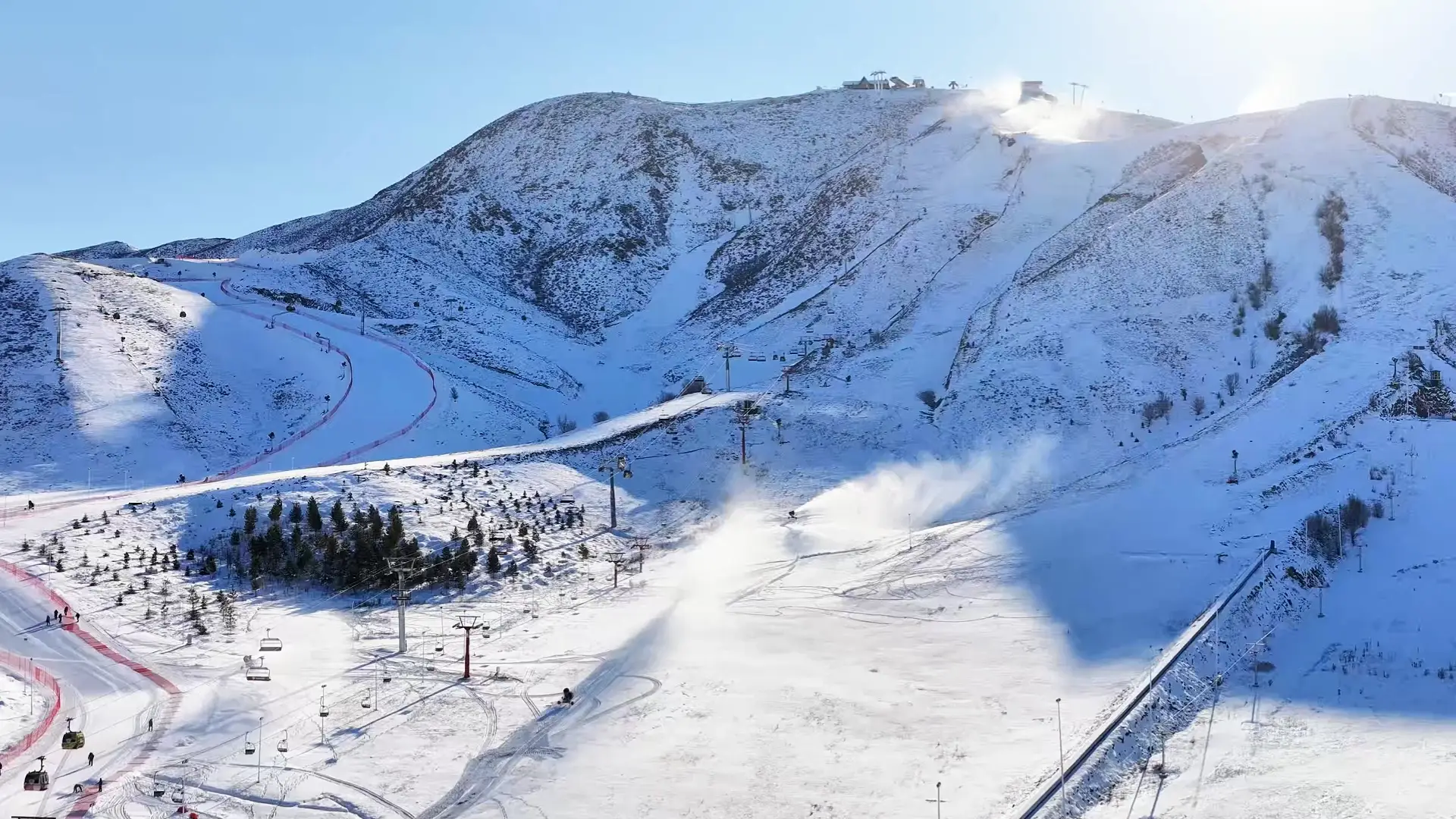
Getting There: International and Domestic Flights
Most foreign skiers fly into Urumqi (URC) via Beijing, Shanghai, or Guangzhou, or connect through Central Asia or the Middle East. International returns often run USD 600 to 1,200 depending on season and origin. From Urumqi, a domestic flight or train to Altay adds USD 60 to 150. Booking three months ahead on the routes into Xinjiang typically cuts 20 to 30 percent off peak prices, and mid-week departures are consistently cheaper than weekend ones that coincide with local holidays.
Lift Tickets
Day passes at major Xinjiang resorts cost roughly USD 35 to 60, well below European alpine rates and a fraction of Japanese peak pricing. Multi-day and early-bird passes drop the daily average further, and some resorts offer bundled ski-and-stay deals. Lift ticket pricing varies by resort and season, with the cheapest days mid-week and the deepest discounts on spring corn snow in March when crowds thin out and the light turns golden.
Lessons and Guides
Group lessons run about USD 25 to 45 per session, while private English guides cost more but unlock the best lines and local knowledge. If you are serious about progression, booking English-speaking lessons in advance is worth the premium for a short trip where every run counts. Splitting a private guide across a group of three or four is the smart way to get expert coaching at a shared price, and it turns a good week into a genuinely better one.
Equipment Rental
Full ski or board rental averages USD 15 to 30 per day at the resorts. Renting on-site avoids airline ski fees and is the budget-friendly default for first-timers and anyone flying long-haul. Bring your own only if you ski many days or have specific fit needs, because the daily saving shrinks once you add baggage costs and the risk of damage in transit on a busy connection.
Lodging
Budget guesthouses near the base start around USD 25 to 45 a night, while comfortable slope-side hotels run USD 70 to 140. Family suites and luxury resorts climb higher but bundle meals and transfers that simplify the trip. Staying in the nearby town instead of the base saves 30 to 50 percent with a short shuttle ride, a trade most budget travelers happily make after they realize the skiing is the same mountain either way.
Food and Drink
Xinjiang food is hearty and cheap. A cafe lunch costs USD 5 to 10, a proper lamb dinner USD 10 to 20, and local noodle and kebab spots are even less. Budget USD 20 to 35 a day for food if you mix casual and sit-down meals, plus a little more for apres drinks. Water, tea, and bread are inexpensive, so hydration does not hit the budget the way it can in alpine Europe where a single coffee on the terrace stings.
Sample One-Week Budgets
Budget tier: hostel or guesthouse, rental gear, mid-week passes, mostly local food, roughly USD 900 to 1,300 all-in excluding the international flight. Mid-range tier: comfortable hotel, some private lessons, mixed dining and a few spa nights, about USD 1,600 to 2,400. Add USD 600 to 1,200 for the international round trip. A few smart cuts can push a mid trip toward budget without sacrificing the actual skiing that brought you here.
Hidden Costs to Expect
Resort transfers, equipment insurance, locker rental, and local SIM data add up quietly. Travel insurance that covers winter sports is a line item you should not skip. Budget an extra USD 80 to 150 for these incidentals across a week, and a little more if you plan guided backcountry days that need extra permits or shuttle fees from the valley floor up to the trailhead.
Saving on Flights
Flexibility is the biggest lever. Search across nearby hubs, travel mid-week, and book international legs three months out. Consider arriving via a Central Asian hub if it prices lower than a mainland China connection, and compare train versus flight for the final leg to Altay, since the sleeper train can be both cheaper and genuinely scenic if you are not in a rush.
Saving on Lift Passes
Buy multi-day passes rather than daily ones, watch for early-bird sales in autumn, and ask your hotel about bundled tickets. Skiing mid-week rather than on weekends can cut the effective daily cost and the queue time at the same time, which is a rare win-win that also buys you quieter groomers and shorter lifts.
Comparing Resorts by Price Tier
The big international-standard hills command the highest lift and lodging prices, while smaller regional resorts are dramatically cheaper for a similar day on snow. If your goal is mileage and powder rather than luxury, mixing one splurge day at a flagship resort with several value days at a smaller hill stretches the budget without shrinking the fun. Check each resort’s opening calendar, because not every hill runs full lifts all season.
Should You Book a Package?
Packaged ski-and-stay deals can beat the sum of their parts, especially in deep winter when resorts discount empty rooms. Read what is included: some bundle lessons and equipment, others only the bed and the pass. A package is usually worth it for first-timers who want one confirmation and no logistics, and less compelling for independent travelers who enjoy hunting their own deals.
Currency and Payments
Foreign cards work at larger resorts and hotels, but mobile pay dominates and often requires a local app account that foreign cards cannot easily link. Carry a few hundred yuan in cash for tickets, shuttles, and small eateries, and tell your bank your travel dates to avoid a frozen card on a slopeside ATM. Withdraw a sensible buffer on arrival in Urumqi.
When to Book
Lock international flights three months ahead, reserve lodging and lessons six to eight weeks out for peak season, and buy lift passes on arrival or online a week before. Last-minute slope-side rooms in January and February sell out, so the earlier you commit in deep winter, the better the rate and the wider your choice of base village.
Frequently Asked Questions
Is Xinjiang cheaper than skiing in Japan?
For lift tickets and food, yes, often by half. The main extra cost is the longer flight for most international visitors, but on-mountain spending is low, which is why value seekers are arriving in growing numbers each season.
Can I ski Xinjiang on a tight budget?
Easily. Stay in town, rent gear, ski mid-week, and eat local. A focused week can land under USD 1,000 excluding the international flight without feeling like a sacrifice on the actual snow.
Do resorts take foreign cards?
Larger resorts and hotels take cards, but carry cash for tickets, small eateries, and shuttles. Mobile pay is widespread but tied to local apps that foreign cards often cannot link directly, so do not rely on it alone.
When is the cheapest time to ski Xinjiang?
Early season in November and late season in March offer the lowest prices and thinner crowds, though snow coverage and resort openings vary by month, so check each hill’s calendar before you commit.
Is travel insurance worth it?
Yes. Evacuation and medical care at high resorts is not cheap, and a winter-sports policy that covers slopes is the one item seasoned travelers never skip on a Xinjiang trip planned around backcountry or big-mountain days.