

China’s ski scene has exploded over the last decade, with hundreds of resorts, an Olympic legacy, and snow that ranges from the dry powder of the far west to the festive cold of the northeast. This ranked guide to the best ski resorts in China is written for the international visitor who wants the shortlist rather than the slog: where the snow is real, how to get there, and which hills actually suit a foreign skier with a week or two to spare. We weigh snow quality, scenery, crowd levels, access, and value for someone arriving from overseas, not just resort size. For the national context, see the China Skiing Guide, and for the Xinjiang specifics the resort directory links every hill profiled below so you can dig deeper.
How We Rank
These rankings value snow quality, scenery, crowd levels, access, and value for a foreign skier above pure acreage or lift count. A mega-resort an hour from a megacity scores lower on crowds than a quiet western hill with better snow, so the result tilts toward places where an international visitor will actually have a good time rather than fight for lift space. The companion best resorts list links every hill below with its own profile, so you can verify the ranking against the detail before you book a single night.
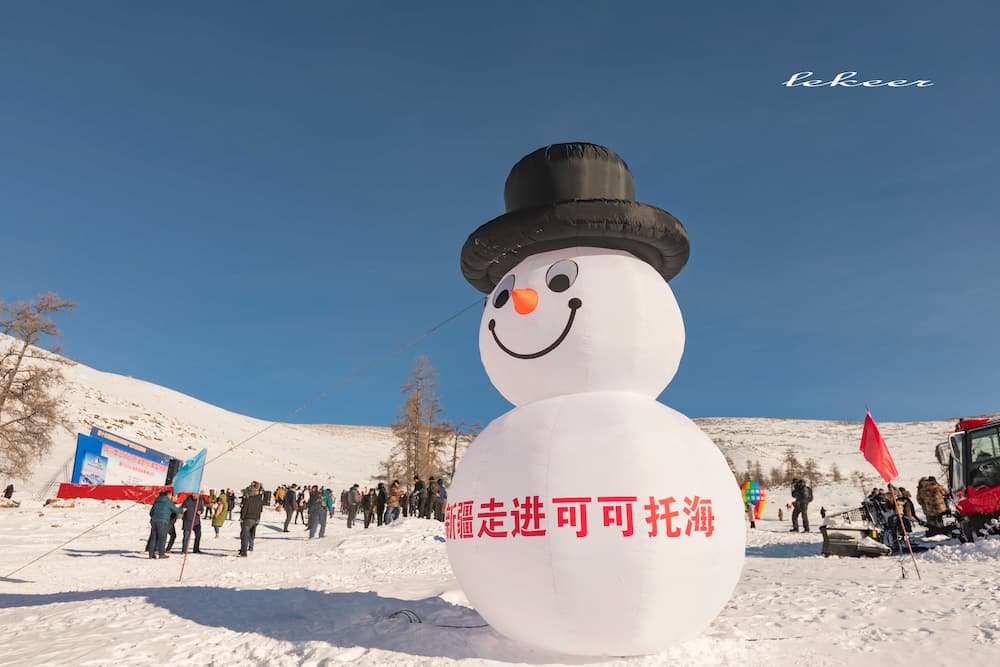
1. Cocoa Tuohai, Xinjiang, Altai
The deepest powder in China, dramatic canyon scenery, and thin crowds make this the top pick for confident skiers who have come for snow rather than selfies. It lacks the English and the polish of the east, but the skiing is world-class and the silence after a dump is something you do not forget. Our Cocoa Tuohai profile covers the terrain, the lifts, and the long canyon runs that define the place for first-time visitors from overseas who have only skied groomers before.
2. Altai Jiangjunshan, Xinjiang, Altai
The most accessible way into Altai powder, a city resort with night skiing and beginner-friendly slopes that anyone can enjoy on day one. It pairs perfectly with Cocoa Tuohai and is the gentlest on-ramp to the north for travellers who arrive unsure about the cold. The Jiangjunshan profile explains why so many visitors use it as a warm-up before pushing to the bigger, wilder hill two hours away in the same range.
3. Silk Road Ski Resort, Xinjiang, Tianshan
The best all-rounder near Urumqi, with strong lifts, reliable snowmaking, a terrain park, and the most English signage in the west. Convenient for day trips and a solid first Xinjiang resort if you are basing in the city and want to ski without a long transfer. Its profile notes the short transfer from the capital and why it is the default choice for travellers on a tight schedule with only a day or two to ski.
4. Yabuli, Heilongjiang, Northeast
China’s oldest and largest northeastern hill, with proper alpine-scale terrain close to Harbin and a festive winter culture that surrounds the slopes. Cold, established, and popular, it is the classic pick for visitors who want skiing plus a famous ice festival in the same trip. The Yabuli profile has the detail on terrain and access, and it pairs naturally with Harbin skiing for a winter break that is as much about the city as the mountain.
5. Changbaishan, Jilin, Northeast
Skiing beneath a volcano, with reliable snow and a setting you will find nowhere else in the country, Changbaishan is a favourite for scenery-minded skiers in the northeast. The runs are not the longest, but the backdrop and the hot-spring recovery culture make it a destination rather than a day out. The Changbaishan guide explains the draw and how to combine it with the wider northeastern circuit if you want more than one hill on the trip.
6. Beijing Resorts, North
Convenient day-trip hills an hour from the capital, great for a layover taste of skiing and perfectly fine for a first slide on snow, though smaller and busier than the west. The Beijing resorts guide lists the easiest to reach and notes which are worth a half day if you have a free morning before a flight. Treat these as a bonus rather than a reason to visit China in winter, because the real skiing is further out.
Why Xinjiang Tops the List
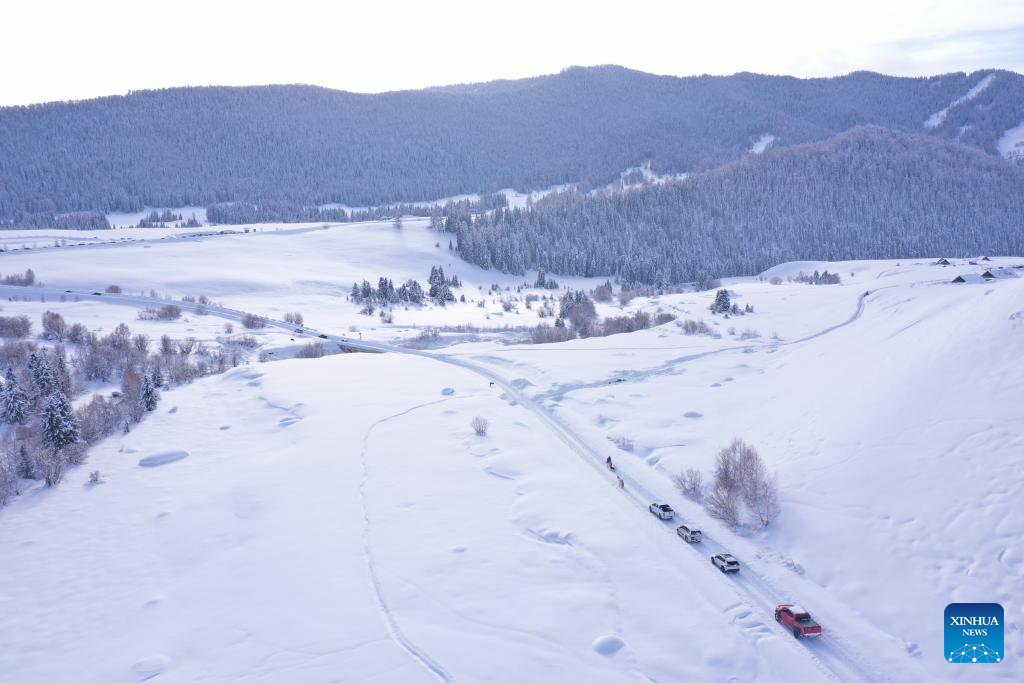
Three of the top four are in Xinjiang, and not by patriotism or geography but by the numbers. The region’s dry, Siberian-fed powder, its low prices, and its near-empty slopes give it the best snow-to-crowd ratio in the country by a comfortable margin. The why Xinjiang is China’s best ski destination piece makes the case directly, and it is hard to argue after a powder day at Cocoa Tuohai followed by a quiet evening in a northern town. If you only visit one region, make it the west and you will understand why the rankings look the way they do.
Region by Region
The northeast, Heilongjiang and Jilin, is cold, established, and festive, ideal if you want culture and a famous ice festival alongside your turns and do not mind busier slopes. Beijing is the convenience play for a layover taste of the sport. Xinjiang is the adventure, vast, dry, and uncrowded, with the best snow-to-price ratio in the country for serious skiers. Tibet and Sichuan are niche and high-altitude, covered in the Tibet and Sichuan guide for the committed few who want thin air and unforgettable views. For most foreign visitors with a week, the choice narrows to the northeast for convenience plus culture or Xinjiang for powder plus value.
Access and Logistics
China’s domestic aviation is excellent and cheap, so reaching Urumqi, Harbin, or Beijing is straightforward from almost anywhere with a connection. High-speed rail connects Beijing and the northeast comfortably, while Xinjiang is far enough that flying wins every time. Within a region, shuttles and taxis handle the last miles, and the Xinjiang transfers guide is the template for how the western model works on the ground. Build travel days into your plan rather than assuming you can ski and relocate on the same morning, because the distances are real even when the trains are quick and the airports efficient.
Costs Across the Country
Broadly, China is cheap to ski versus Europe or North America, but the spread is wide and worth understanding before you book. The northeast and Beijing sit at the pricier domestic end near big cities, while Xinjiang is the bargain, with lift tickets and lodging well below the rest for equal or better snow. Even the most developed Tianshan hills undercut Japanese resorts, and the food at every base is a fraction of an alpine lunch. The Xinjiang cost guide shows how far your money goes, and it is the clearest example of why the western hills rank so high on value.
Skiing in China as a Foreigner
You will need a Chinese visa and a couple of local apps for maps and payments before you fly, but the slopes themselves are welcoming and major resorts employ some English staff in peak season. Translation apps cover the rest, and booking lessons in advance removes the only real language friction most visitors hit. The foreigners guide covers the practicalities from payment quirks to booking instructors, and the China ski season guide maps when each region is open so you do not arrive between seasons by mistake.
Frequently Asked Questions
What is the best ski resort in China?
For powder and crowds, Cocoa Tuohai in Xinjiang tops most lists; for convenience and culture, Yabuli in the northeast is the classic pick that pairs with the Harbin ice festival.
Which region has the best snow?
Xinjiang’s Altai gets the driest, deepest powder; the northeast is reliable but often wetter. The Xinjiang case explains why the west wins on snow quality for most skiers.
Is skiing in China expensive?
Cheaper than Europe or North America. Xinjiang is the best value; Beijing and the northeast cost more near the big cities but are still gentle by alpine standards.
Do I need to speak Chinese?
No, but it helps. Major resorts have some English, translation apps cover the rest, and Urumqi and Beijing are the easiest places for non-Chinese speakers to ski.
Can beginners ski in China?
Easily, with wide, snowmade beginner areas at Silk Road, Jiangjunshan, and the gentler northeastern hills, plus cheap lessons and patient instructors in peak season.
How should I rank my own trip?
Weight snow, crowds, access, and value for your ability, then use the companion best-resorts list, which links every hill profiled here with its own full guide.