

If you are planning a ski trip to Xinjiang’s Altai region, the same question comes up for almost everyone: Cocoa Tuohai vs Jiangjunshan? They are the two headline resorts of the north, only a couple of hours apart by road, yet they could not feel more different on the snow. Jiangjunshan is the friendly city slope on the edge of Altay town, while Cocoa Tuohai is the bigger, wilder hill with the deepest snow and the most dramatic scenery in the region. This comparison walks the two side by side so you can pick the right one, or better, ski both on the same trip. Both sit inside the Xinjiang ski resorts family, and both are covered in the Altay city ski resorts guide for the wider northern picture.
The One-Line Difference
Jiangjunshan equals convenience, night skiing, and a gentle on-ramp to Altai powder that anyone can enjoy on day one. Cocoa Tuohai equals bigger vertical, deeper snow, and wilder canyon scenery for confident skiers who want the real thing. Hold that line in your head and every other difference below follows from it naturally, which makes the final choice far less stressful than it first appears.
Location and Access
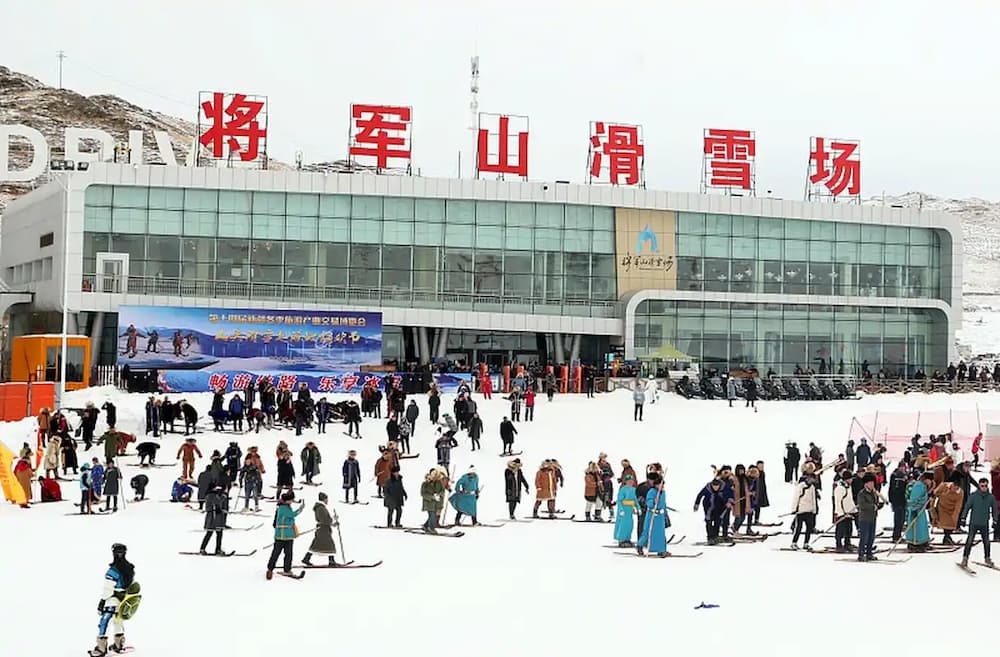
Jiangjunshan sits on the southern edge of Altay city, so you can be on a lift within half an hour of your hotel, often by bus or a short taxi ride that costs almost nothing. Cocoa Tuohai, also called Keketuohai, is further out in a dramatic river canyon, so it needs a longer transfer and is best paired with an overnight stay nearby rather than a rushed return. If you hate long mountain drives, Jiangjunshan wins on pure logistics; if the journey is part of the adventure, Cocoa Tuohai’s canyon approach is spectacular and worth the extra hour on the road. Plan the hop with the Altay city ski resorts guide, which maps the northern hills and the roads between them in detail.
Terrain and Vertical
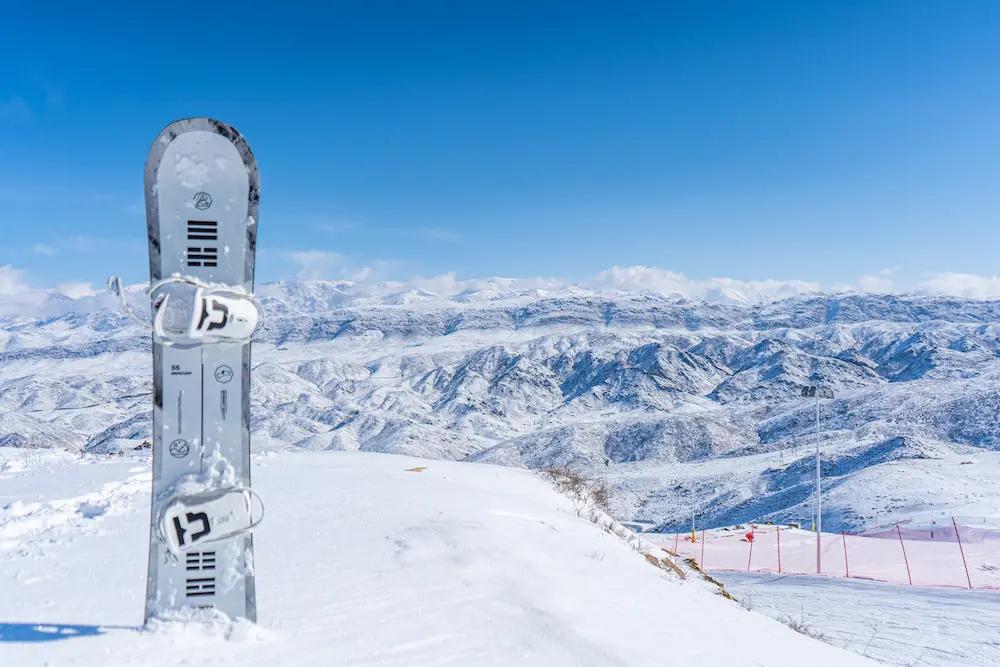
Cocoa Tuohai has the larger vertical and more varied faces, including steep, tree-lined pitches that will test an expert and open bowls that rack up real mileage in a morning. Jiangjunshan is compact: a sunny front bowl for cruisers and beginners, with steeper side trails and glades where the snow piles into the caches the Altai is famous for. You can ski more runs per hour at Jiangjunshan simply because it is smaller and the lifts are short, but you can ski more impressive terrain per day at Cocoa Tuohai once you have the legs for it. The best powder resort comparison ranks Cocoa Tuohai at the top for natural snow and the kind of untracked lines that justify the longer drive.
Snow and Season
Both share the Altai’s dry, abundant powder, but Cocoa Tuohai’s higher, more exposed terrain holds the deepest, lightest caches after a Siberian front rolls through. Jiangjunshan’s snow is excellent too and famously consistent close to town, which is why locals trust it even when the weather is unsettled. Both typically open in early December and run into late March, with the highest pitches lasting longest as the spring warmth arrives. The snow quality comparison gives the base-depth detail, and the best visiting window guide points to January and February as the sweet spot for both hills when the cold is stable and the base is deep.
Crowds and Atmosphere
Jiangjunshan draws Altay locals and is busiest on weekend afternoons, though still quiet by global standards and never with the lift-line patience a famous Japanese resort demands. Cocoa Tuohai sees fewer day-trippers because of the distance, so midweek it can feel almost private, with entire faces to yourself after a fresh dump. If solitude matters, Cocoa Tuohai edges ahead; if you like a little base-lodge life and the chance to meet other travellers, Jiangjunshan delivers it without the crowds of a Tianshan flagship. Either way, the Altai is the quiet end of Xinjiang skiing compared with the south.
Night Skiing
This is Jiangjunshan’s signature advantage and the clincher for many visitors. Its floodlit main face lets you ski after the short winter daylight ends, a real plus given how early it gets dark and how cold the mornings are. Cocoa Tuohai has limited or no night operation, so your day ends at last lift and the evening is for the cabin rather than the slope. If evening turns matter to you, Jiangjunshan is the clear pick, and the night skiing guide explains which Xinjiang hills light up after dark and which go quiet with the sun.
Where to Stay and Eat
Jiangjunshan lets you sleep in Altay city, with ordinary hotels, real restaurants, and full local food at none of the resort-bubble pricing that eats a ski budget. Cocoa Tuohai has on-mountain and nearby lodging that is more basic and rustic, which many skiers actually prefer for the immersion and the silence after the lifts close. For a slower, prettier alternative base, the Hemu village cabins are nearby and pair naturally with a Cocoa Tuohai day for scenery you will remember long after the snow melts. Book city lodging for Jiangjunshan and a cabin or resort room for Cocoa Tuohai, and you get the best of both worlds.
Cost
Both are cheap by world standards, but Jiangjunshan’s city base keeps food and lodging costs lower, while Cocoa Tuohai’s remoteness nudges transfer and accommodation up a little for the convenience of staying close. Lift tickets are similarly gentle at both, and a multi-day northern pass can soften the total if you ski the pair. The lift tickets guide has current prices for each hill, so you can budget the comparison precisely before you commit to a base for the week.
Who Should Pick Which
- Pick Jiangjunshan if you are a beginner or a family, you want night skiing, you have limited time, or you like sleeping in a city with real restaurants.
- Pick Cocoa Tuohai if you are a confident skier chasing the deepest powder, you want big terrain and canyon scenery, and you do not mind a longer transfer.
- Pick both if you have three or more days, with Jiangjunshan as the easy intro and Cocoa Tuohai for the hero terrain on day two or three.
Frequently Asked Questions
Which has better snow, Cocoa Tuohai or Jiangjunshan?
Cocoa Tuohai generally holds the deepest, lightest natural snow thanks to its higher, more exposed terrain; Jiangjunshan is excellent and consistent but sits a touch lower and closer to town.
Is Jiangjunshan good for beginners?
Yes, its wide lower slopes and magic carpets make it one of the easiest places to learn in Xinjiang, and the city base keeps the whole first day low-stress.
Can I visit both in one trip?
Easily. They are a couple of hours apart, and many skiers do Jiangjunshan as a day-one intro before pushing to Cocoa Tuohai for bigger terrain and deeper snow.
Which is better for night skiing?
Jiangjunshan, by a mile, because its floodlit face is a signature feature. Cocoa Tuohai has little or no night operation, so your day ends at last lift.
Which is cheaper?
Jiangjunshan, mainly because you can base in Altay city with ordinary hotel and food prices. Cocoa Tuohai costs a bit more for transfers and lodging near the canyon.
Which is less crowded?
Cocoa Tuohai, especially midweek, because the longer transfer filters out day-trippers. Jiangjunshan is busiest on weekend afternoons but still quiet by global standards.