

Learning a handful of Chinese ski terms before you travel makes a China ski trip dramatically smoother. Most resort staff speak limited English, signs are in Mandarin, and lesson briefings move fast. A small vocabulary of ski vocabulary Chinese skiers use every day lets you rent gear, read trail markers, and follow a coach without fumbling a translation app on cold fingers. This glossary focuses on the words you will actually hear on the hill, not textbook Mandarin. For the wider context of the sport in the country, our China Skiing Guide is the best place to start before you drill the phrases below and head out to the snow.
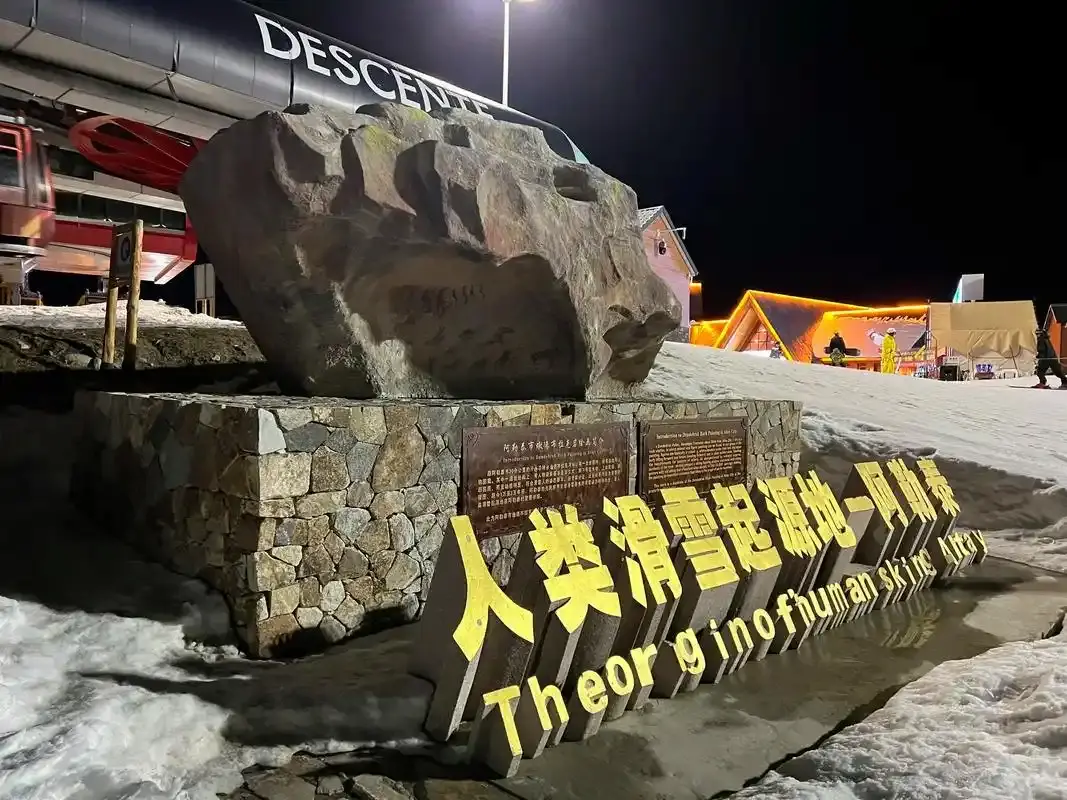
Why Mandarin Ski Terms Matter for Foreigners
China’s resorts are built for domestic crowds, so English is the exception rather than the rule. Knowing the basics means you can confirm your boot size, ask which lift goes where, and understand a trail sign that says the run is closed. It also signals respect: a few Chinese ski terms spoken with a smile usually earns patient, friendly help. If you are choosing where to ski, the best ski resorts in China round-up notes which hills have better English signage, and that is a useful filter when language is a real concern for your group on the mountain.
Essential Nouns on the Hill
Start with the objects you will point at all day:
- 滑雪 (huá xuě) — skiing; the root word for almost everything here.
- 滑雪场 (huá xuě chǎng) — ski resort or ski area.
- 雪板 (xuě bǎn) — ski (the ski itself, a single plank).
- 雪橇 (xuě qiāo) — sometimes used for skis, though 雪板 is clearer.
- 滑雪靴 (huá xuě xuē) — ski boots.
- 雪杖 (xuě zhàng) — ski poles.
- 头盔 (tóu kuī) — helmet.
- 雪道 (xuě dào) — ski run or piste.
- 缆车 (lǎn chē) — cable car or gondola.
- 拖牵 (tuō qiān) — surface lift or tow.
Memorise 滑雪场 and 雪道 and you can already ask most practical questions. If you want the historical framing of how the sport reached these hills, the history of skiing in China explains the roots behind today’s busy slopes.
Trail Difficulty Signs
Chinese resorts borrow the international colour system but label it in characters:
- 初级 (chū jí) — beginner (green).
- 中级 (zhōng jí) — intermediate (blue).
- 高级 (gāo jí) — advanced (black).
- 专家 (zhuān jiā) — expert, often a double-black or off-piste area.
- 关闭 (guān bì) — closed. Spot this on any sign and do not enter.
These words appear on every trail map, so they are worth recognising at a glance, especially when a storm has pushed the resort to shut a run you were planning to ski that morning.
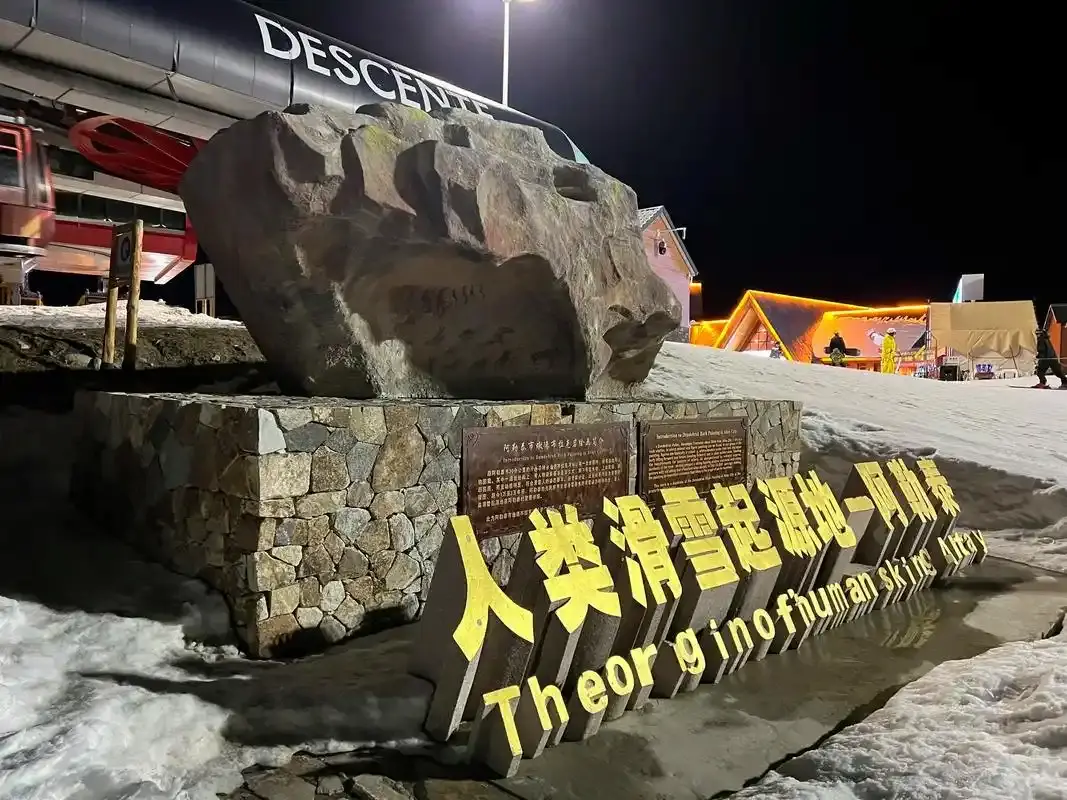
Useful Verbs and Phrases
Communication at the rental desk and lift line is mostly verbs:
- 租 (zū) — to rent. “我想租雪板” (wǒ xiǎng zū xuě bǎn) means “I want to rent skis.”
- 买 (mǎi) — to buy.
- 换 (huàn) — to exchange or change; use it for swapping a boot size.
- 帮 (bāng) — to help. “请帮我” (qǐng bāng wǒ) is “please help me.”
- 疼 (téng) — hurts; point and say it if a boot pinches.
- 慢 (màn) — slow; useful when a coach is pushing pace.
- 停 (tíng) — stop.
A translation app handles the long sentences, but these single words said aloud save time when hands are full of gear. For arrival logistics and the papers you need, the skiing in China for foreigners guide covers visas and payments alongside the language basics you will want on day one.
Lift and Ticket Vocabulary
At the ticket window you will meet these:
- 门票 (mén piào) — entrance ticket.
- 雪票 (xuě piào) — ski pass or lift ticket.
- 全天 (quán tiān) — full day.
- 半天 (bàn tiān) — half day.
- 多次 (duō cì) — multiple trips, as on a pass.
- 保险 (bǎo xiǎn) — insurance; often offered at the desk.
Saying 雪票 plus the number of days usually gets you the right pass without a long explanation. Combine this with the practical China ski travel tips for foreigners and you will handle the front desk like a regular, even on your first morning in a cold ticket queue.
Snow and Weather Words
Conditions change fast in China’s dry northern resorts, so learn the snow vocabulary:
- 雪 (xuě) — snow.
- 粉雪 (fěn xuě) — powder snow; the prized dry fluff.
- 冰 (bīng) — ice.
- 风 (fēng) — wind.
- 冷 (lěng) — cold.
- 大 (dà) / 小 (xiǎo) — big / small, as in 大风 (big wind).
Listening for 粉雪 on a forecast morning is how locals decide which mountain to hit, and knowing it lets you join that instinct instead of guessing from an app you barely understand.
Polite Phrases That Go Far
A little courtesy vocabulary smooths every interaction:
- 你好 (nǐ hǎo) — hello.
- 谢谢 (xiè xie) — thank you.
- 对不起 (duì bù qǐ) — sorry.
- 多少钱 (duō shǎo qián) — how much money.
- 英文 (yīng wén) — English; “你会英文吗?” asks “do you speak English?”
None of this is流利 (fluent), but it is enough to be a gracious visitor, and staff consistently respond better to a guest who tries the local words before switching to an app.
A One-Page Cheat Sheet
Before you fly, screenshot this short list onto your phone: 滑雪场 (resort), 雪道 (run), 初级/中级/高级 (beginner/intermediate/advanced), 租 (rent), 雪票 (pass), 粉雪 (powder), 关闭 (closed), 谢谢 (thanks). With those eight, you can navigate almost any Chinese hill. Keep the full glossary open in a notes app for the moments that need more, and you will spend less time translating and more time skiing the quiet, deep snow that drew you to China in the first place.
Frequently Asked Questions
Do Chinese ski resorts have English signs?
Some of the larger, foreigner-friendly hills do, especially in Xinjiang and around Beijing, but most signs are in Mandarin with colour-coded difficulty. Learning a few characters for trail grades removes the guesswork entirely and keeps you off closed runs.
Is pinyin enough to communicate on the hill?
For single words and numbers, yes — say the pinyin aloud and point. For bookings and long explanations, a translation app is more reliable, but the spoken basics in this glossary earn goodwill and speed at the rental desk and lift line.
What does 粉雪 mean and why do skiers say it?
粉雪 (fěn xuě) means powder snow, the light dry snow that China’s north is famous for. Locals use it constantly in forecasts, so recognising it helps you pick the best day and mountain for deep, untracked turns.
How do I ask for a different boot size?
Say the size number in Arabic numerals and add 换 (huàn, “change”) while pointing at your boot, or say 太大/太小 (too big/too small). Staff at rental desks understand this quickly and will refit you without fuss.
Are ski lessons taught in English at Chinese resorts?
At major resorts in peak season, yes, but limited. Book ahead. Knowing lesson words like 教练 (coach) and 初级 (beginner) helps even when the instructor mixes languages, and it keeps the first morning calm.
Will a translation app replace learning terms?
An app handles sentences, but it is slow with cold hands and poor signal. The spoken basics here are faster for the hundred small moments a day, so use both: app for detail, glossary for speed and courtesy.