

Few places on earth turn winter into a spectacle quite like Harbin. By day you ski cold, reliable northeast powder; by night you walk through a city carved entirely from ice and lit like a neon cathedral. Harbin skiing is the snowy half of a winter trip that also happens to include the world-famous Harbin International Ice and Snow Festival — and together they make one of the most memorable cold-weather holidays in Asia. This guide covers where to ski around Harbin, what the festival is actually like, and how to stitch the two into a single trip. For the national context, start with our China Skiing Guide.
Why Harbin Is a Ski Destination
Harbin sits in Heilongjiang, the coldest major region of China, and that cold is its greatest asset. Because temperatures stay brutally low through deep winter, snow arrives early and stays frozen and dependable from late November to early April — exactly the long, reliable China ski season window the northeast is known for. The snow tends to be firm and well-groomed rather than the bottomless powder of Xinjiang’s Altai, but it is consistent, the resorts are developed, and the cold keeps the base pristine. For skiers who want “I will definitely have snow” more than “I will definitely have waist-deep fluff,” Harbin delivers, and the consistency is what makes it such a safe choice for a once-a-year winter holiday built around guaranteed conditions rather than hope.
The Skiing Around Harbin
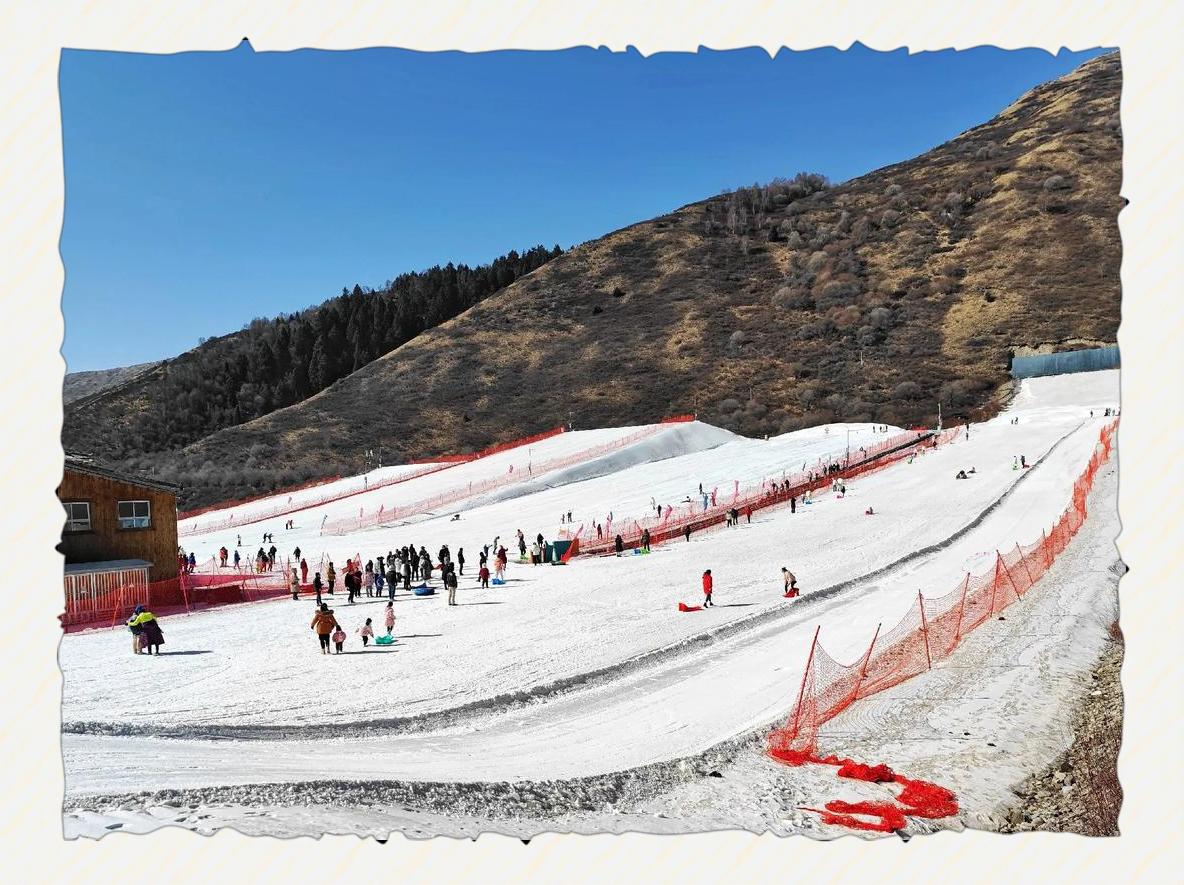
Several resorts sit within reach of the city. The closest hills are modest, family-oriented slopes good for a half-day tune-up or for beginners, with easy transfers from the city centre. For serious terrain, most visitors make the trip to the Yabuli area, China’s best-known snow-sports hub, about a couple of hours south by high-speed rail or road. Yabuli ski resort has the longest runs and the most developed infrastructure in the northeast, plus a history of hosting national and international competitions. A Harbin trip therefore gives you two tiers of skiing: convenience hills in town, and a proper mountain an easy ride away, so you can scale the ambition of the trip to your ability without ever changing your base hotel or repacking your bags mid-week.
The Ice and Snow Festival
The Harbin International Ice and Snow Festival is the headline act. It typically opens in early January and runs through the depths of winter, built from enormous blocks of ice harvested from the frozen Songhua River and carved into towers, palaces and slides, then lit from within. There are usually several themed parks: the grand illuminated ice city, a snow-sculpture park with giant carved scenes, and various smaller displays. Go after dark when the lights come on — that is when the ice turns translucent and glowing. Dress for it: you will be standing still in minus-twenty, so more layers than you think. It is cold, crowded on weekends, and completely unlike anything else you will ski-trip into, which is precisely why people travel across the world for it and remember it for the rest of their lives.
Combining Skiing and the Festival
The smart rhythm is ski by day, festival by night. Base yourself in Harbin city for the festival and the convenience, then take a day or two for the Yabuli run. Many visitors do three or four ski days mixed with evening festival visits, which keeps the cold from becoming monotonous and lets you recover between mountain days. If you only have a long weekend, ski one day, festival one or two evenings, and leave the rest for food and the city’s Russian-influenced architecture. The Beijing ski resorts guide is a useful contrast if you are comparing a north-China trip against the capital’s milder, shorter season before you commit to a region, because the two trips feel like different kinds of winter holiday altogether.
Weather and What to Pack
Harbin in January is seriously cold — routinely well below minus twenty, sometimes lower at night. The dry cold is more manageable than a damp freeze, but only if you dress for it. Pack a proper insulated jacket, thermal layers, a real hat, mittens (not gloves, for warmth), and insulated boots. Hand and foot warmers are worth their weight. Camera batteries die fast in the cold, so keep spares inside your jacket. The best ski resorts in China roundup notes which hills rent decent kit if you would rather not fly with your own, and renting on the ground spares you the baggage fees and the hassle of travelling with a bulky boot bag through the city on public transport during a busy holiday week.
Getting There and Around
Harbin has an international airport with domestic connections from Beijing and beyond, and high-speed rail links the city efficiently to Yabuli and other northeast points. Inside the city, ride-hailing apps and taxis are easy; for the festival, evening taxis can be scarce, so pre-book or walk if your hotel is central. Book festival-entry tickets and any Yabuli transfers in advance during peak season, because January is both the best snow and the busiest festival window. Arrive a day early if you can, so a delayed flight does not cost you a reserved festival evening, and build one rest day into the plan so the cold and the late nights do not wear you down before the mountain does.
Food and Recovery
Harbin’s food reflects its Russian and northeastern Chinese heritage: hearty, warming, and welcome after a cold day. Try the local dumplings, the roasted sweet potatoes from street carts, and the dairy-based Russian-style desserts. Hotpot is the natural recovery meal. After the festival, a warm hotel and a long sleep reset you for the next mountain day. The city is well supplied and tourist-used, so finding English-friendly restaurants near the main sights is straightforward, and the portions are generous enough to refuel a day of hard skiing without breaking the budget, which matters when you are travelling for two weeks across the region.
Why Harbin Over Other Regions
Choose Harbin if you want a winter holiday that is more than skiing — the festival is a genuine once-in-a-lifetime spectacle. Choose Xinjiang if untracked powder is the entire point, or Beijing if convenience and sightseeing matter most. For many visitors the northeast’s reliable cold and the Ice Festival combination is the most fun-first option, and it pairs naturally with the best resorts guide when you want to compare hills before booking. The honest framing is that Harbin sells a winter experience first and skiing second, whereas Xinjiang sells skiing first — both are valid, and your own preference decides which trip you will enjoy more in the end.
Frequently Asked Questions
When is the Harbin Ice Festival?
It usually opens in early January and runs through deep winter, with the ice structures lasting as long as the cold holds.
Can you ski and see the festival on one trip?
Easily. Ski by day at Harbin-area or Yabuli slopes, then visit the illuminated ice parks in the evening.
How cold does it get?
January nights commonly sit below minus twenty. Dress in serious insulated layers and keep batteries warm.
Is Yabuli worth the trip from Harbin?
For serious terrain, yes — it is the northeast’s premier resort and a short rail or road transfer away.
What should I pack that I would not need elsewhere?
Real extreme-cold gear: mittens, insulated boots, hand warmers, and spare camera batteries kept inside your jacket.
Is Harbin good for beginner skiers?
Yes. The in-town hills are gentle and beginner-friendly, while Yabuli offers progression once you are comfortable.