

China has ski hills from Heilongjiang to Beijing to the Tibetan plateau, but one region keeps winning over serious international skiers: Xinjiang. The case for why Xinjiang is China’s best ski destination comes down to four things no other Chinese region matches at once — the driest powder, the fewest crowds, the lowest costs, and scenery you cannot get elsewhere in the country. This is the argument in full, and it pairs with the China Skiing Guide for the national context that puts the region in perspective.
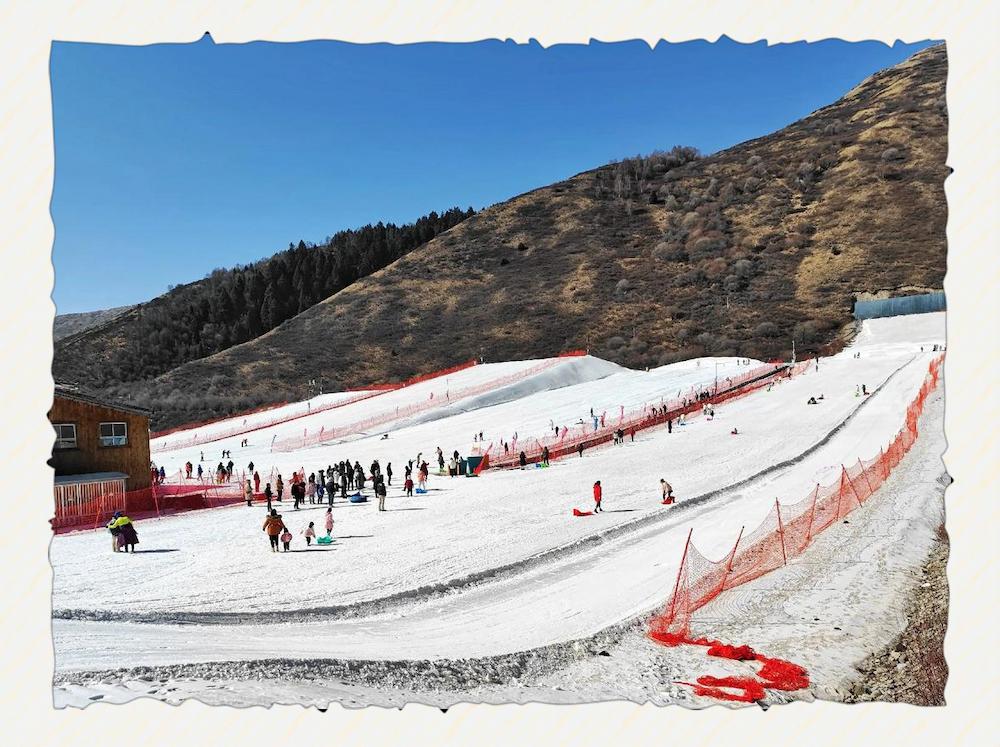
The Snow: Dryest Powder in China
Xinjiang’s Altai sits on the same latitude band as Hokkaido but catches storms rolling in from Siberia, dumping light, dry powder that piles into deep caches. The Tianshan around Urumqi is groomer country with reliable snowmaking, but the Altai is the prize: champagne snow that squeaks under your skis. No other Chinese ski region combines that dryness with that depth. The northeast is reliable but wetter; the interior is thin on infrastructure. For pure snow quality, the Xinjiang Skiing Guide is the place to start planning around it, and the reason dedicated riders keep coming back is that first deep day in the Altai ruins lesser snow for them everywhere else.
The Crowds: Near-Empty Slopes
Japanese and European resorts are famously busy; even China’s northeast gets packed on holidays. Xinjiang’s Altai, by contrast, is quiet almost everywhere midweek, and you can ski a powder morning with no one in sight. The resorts directory at Xinjiang ski resorts shows just how spread out and uncrowded the hills are. For skiers who measure a good day by solitude as much as snow, this alone justifies the longer flight west, and it is the quiet advantage that no amount of lift investment in the northeast can replicate — the geography simply gives Xinjiang more mountain per person.
The Cost: A Fraction of the Alps
Lift tickets, rental, lodging, and food in Xinjiang run well below the northeast and a tiny fraction of Europe or Japan. A week of real powder skiing can cost less than three days in the Alps. The best ski resorts in China list ranks Xinjiang highest on value, and the budget case is hard to argue with once you see the numbers. Lower costs also mean you can stay longer, ski more, and still spend less — a week that would be a splurge in the Alps becomes a relaxed, unhurried trip in the west, with money left over for a guide or a nicer hotel.

The Scenery and Culture
Xinjiang is not just slopes; it is a cultural crossroads. The Altai holds the birthplace of skiing petroglyphs near Altay, Hemu village’s Tuva cabins sit under deep snow, and Urumqi’s Tianshan hills glow for night skiing. After the mountain, hot springs and Uyghur and Kazakh food round out days you cannot replicate at a domestic hill. That blend of ski heritage, nomad culture, and dramatic peaks is unique even among the world’s great ski regions, and it is why visitors describe Xinjiang not as a resort but as a place — a destination with skiing at its heart rather than a ski factory with a town attached.
Xinjiang vs the Rest of China
- vs Northeast (Heilongjiang/Jilin): Xinjiang wins on snow dryness, crowds, and cost; the northeast wins on convenience and festival atmosphere.
- vs Beijing: no contest for serious skiing — Beijing is a convenience day-trip, Xinjiang is a destination.
- vs Tibet/Sichuan: Xinjiang has far better infrastructure and access for equal or better high-altitude drama.
The China Skiing Guide lays out the full regional split, but for powder-focused visitors the ranking is clear, and the further west you go the better the snow-to-effort ratio becomes until Xinjiang sits alone at the top.
The Trade-Offs
Xinjiang is not perfect. It is far (a longer flight than the northeast), colder (minus 30°C in the Altai deep winter), and rougher on language support outside the Tianshan flagships. English signs are limited, and some border areas need permits. None of that is a dealbreaker for a prepared skier, but it is the honest counterweight to the praise — and it is exactly why the region stays uncrowded. Plan with the cost guide and you will arrive ready, and the minor friction of travel is precisely the price of having the mountain mostly to yourself.
A Typical Xinjiang Ski Day
The rhythm of a Xinjiang ski day is its own reward. Mornings start late because the sun clears the ranges after nine, so you sleep in, eat a big hotel breakfast, and are on the first chair around ten. The top pitches hold the best snow before lunch, so that is when you push hard; midday is for laghman noodles and tea in the base lodge while the light flattens. Afternoons warm slightly and the groomers soften, perfect for a long cruiser or a lesson. Evenings belong to the hot spring and a plate of dapanji, then an early night because the cold and the dark make rest sensible. It is a slower, more deliberate pace than a European ski week, and that calm is most of the charm — you ski to enjoy, not to maximise vertical at any cost.
Getting Started on a Xinjiang Trip
If the case has convinced you, the practical next step is simple. Fly into Urumqi for the Tianshan or straight to Altay for the powder, book lodging in the city rather than a resort bubble, and reserve rental and lessons ahead for peak weeks. Build at least one rest day into any week for hot springs and a storm buffer. A first trip of five to seven days covers one cluster properly; ten days or more lets you combine the Altai and the Tianshan for the full picture. The planning is straightforward once you accept that the region rewards patience and a loose schedule more than a tightly packed itinerary built around ski-then-fly.
Who Should Make Xinjiang Their China Ski Trip
If your priority is powder, value, and a novel cultural backdrop, Xinjiang is the answer without hesitation. If you need a polished alpine village and perfect English, the Tianshan near Urumqi is the gentler on-ramp; the Altai is for the more adventurous. Either way, the region deserves the top spot on any China ski shortlist, and the resorts overview shows exactly where to point your skis depending on whether you want convenience, powder, or a slow village stay above the snow line.
Frequently Asked Questions
Why is Xinjiang better than the northeast for skiing?
Drier, deeper powder, far fewer crowds, and lower costs. The northeast wins only on convenience and festivals. The China Skiing Guide covers the full split region by region for context.
Is Xinjiang too cold to enjoy?
It is very cold — minus 30°C in the Altai — but dress for it and the dry air is comfortable. The Altai guide covers conditions and how locals stay warm through the deep winter.
Is it safe for foreign skiers?
Yes; the main risks are weather and altitude. Resorts and highways are well maintained through winter, and the bigger towns are fully heated and supplied.
Which Xinjiang region should I pick?
Altai for powder and wilderness; Tianshan/Urumqi for convenience and English. The resort directory helps you choose based on your priorities and trip length.
How does it compare on value?
Best in China by a wide margin — a week can cost less than three Alpine days. The overview ranks it first on value and on snow-to-crowd ratio alike.
Do I need a permit?
A standard Chinese visa covers most areas; a few border zones need an extra permit. Plan ahead and you are fine, and the paperwork is straightforward for most visitors.