

Most visitors to China’s far northwest have never heard of Altay, and that is exactly its charm. Altay town Xinjiang sits at the northern tip of the region, a few hours by air from Urumqi and a world away from the busy Tianshan resorts. This is the unofficial capital of Xinjiang’s powder country — the gateway town to Jiangjunshan’s floodlit slopes, to the Tuva cabins of Hemu, and to some of the driest snow on the planet. This guide is built from my own winters shuttling between the town and its hills, and it covers the practical stuff you actually need: where to sleep, what to eat, and how to turn a quiet northern city into a genuinely good ski base without the trial and error I went through on my first cold visit.
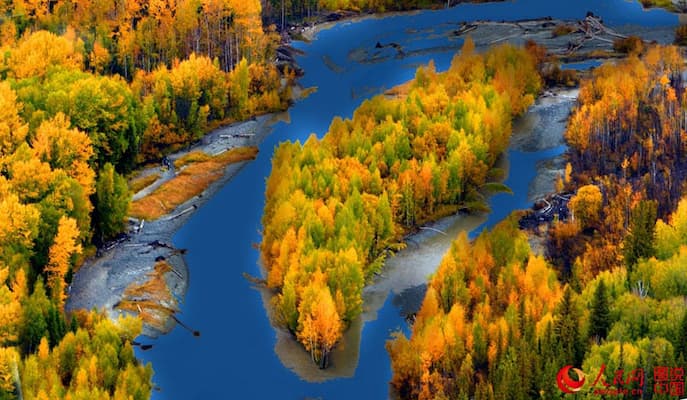
Where Is Altay Town?
Altay is the northernmost prefecture of Xinjiang, pressed up against the borders of Kazakhstan, Russia and Mongolia, where the Altai mountains finally flatten into a wide river valley. The town itself is small and walkable — a grid of heated blocks, a frozen river, and a single main drag of noodle houses and winter markets. What makes it special for skiers is position: you are minutes from a working chairlift and a couple of hours from deep backcountry, yet you sleep in a real town with real food and a real airport. It is the rare combination of convenience and wilderness that the bigger resort bubbles around Urumqi cannot match, and it is the reason serious powder chasers keep coming back to the north rather than the east.
How to Get to Altay
Altay’s airport has regular winter flights from Urumqi and a slowly growing list of connections, which means you can leave a coastal city, connect through the regional capital, and be on a snowy northern runway the same day. The slower alternatives are the sleeper train or a long road transfer, both scenic but far less predictable once the snow sets in. Once you land, the town and its resorts are minutes apart by taxi or shuttle, so you do not need to rent a car in minus-20 air. Plan the last leg with our guide to getting to Xinjiang for skiing if you are chaining several regions into one trip, and book flights early for the holiday weeks when seats tighten.
Where to Stay in Altay
The smart move is to base yourself in the town centre rather than at a resort. Altay has a full range of ordinary but comfortable hotels — heated, modern, with reliable Wi-Fi — at a fraction of the price you would pay for a slope-side room in Europe or Japan. Staying in town means you can walk to dinner, keep your boots and batteries warm in a heated room, and take a short taxi to the lifts each morning. If you want the resort experience, Altay city ski resorts covers the options on the town’s edge, while Altai Jiangjunshan ski resort is the hill you can practically ski from your hotel shuttle. For most first-timers, a town hotel plus a daily transfer is both cheaper and more flexible than locking into one mountain.
Skiing Right From Town
Jiangjunshan is the headline act: a city resort perched on the southern edge of Altay where you can be on a chairlift within half an hour of leaving your room. It is beginner-friendly, has strong night skiing, and is the easiest place in the region to sample Altai powder without a backcountry expedition. For deeper snow and bigger vertical, Cocoa Tuohai is a couple of hours south, and the wooden cabins of Hemu village skiing offer a slower, prettier pace with scenery that borders on surreal. The whole northern shortlist, with honest notes on who each hill suits, is in our where to ski in Xinjiang overview, which is the best place to decide how many days to give each mountain before you book.
Where to Eat in Altay
One of the best reasons to stay in town is the food. Altay’s tables draw on Kazakh, Uyghur, Mongolian and Han influences, and after a cold morning there is nothing better than a bowl of laghman noodles, a plate of dapanji (big-plate chicken), or fresh naan pulled warm from a tandoor. Hotpot joints, dumpling counters and noodle houses line the main streets, and most meals cost only a few dollars. The wider regional picture is in our local food guide, but Altay is a great place to start eating your way across Xinjiang because the kitchens are local, cheap, and unhurried. Save room for the milk tea and the fried bread — they are the real fuel on a cold ski day, and they taste better when the air outside is minus twenty.
Beyond the Town: Day Trips North
Altay works best as a hub. Spend a day on Jiangjunshan, a day at Cocoa Tuohai, and a day soaking in the scenery at Hemu, then return each night to a heated bed and a hot dinner. The three northern hills are close enough to chain in a single trip without repacking, which is why basing in the town beats a single-resort stay for most visitors. If you want the full powder circuit, build your route around the town and read the individual resort profiles before you commit, because the hills feel very different from one another despite their short distance apart. A week based here lets you ski three distinct mountains and still keep a recovery day for a hot-spring soak.
Best Time to Visit Altay Town
The snow window runs late November to early April, but for Altay the sweet spot is January and February, when the cold is stable and the base is deepest. Early December is cheaper and quieter but the cover is still building at lower elevations, and March softens and warms, which families often prefer. Pack for genuine cold — minus 20°C is a normal January night — and keep a spare battery warm, because the dry air that makes the powder so good is hard on electronics. If your only constraint is avoiding the deepest cold, aim for late February, when the base is still full but the temperature eases and the days begin to stretch.
Practical Tips for Visiting Altay
- Carry some cash; small base-lodge vendors and night markets do not always take cards.
- Book English ski lessons ahead in peak season — instructors are limited outside the biggest hills.
- Use taxis or shuttles; you do not need to drive yourself in the deep cold.
- Bring a translation app; English signage is thinner here than around Urumqi.
- Build a rest day for a hot-spring soak — it is the local recovery ritual and it works.
- Arrive midweek for the quietest pistes; locals fill Jiangjunshan on weekend afternoons.
Frequently Asked Questions
Is Altay town worth visiting if I only ski one resort?
Yes. Staying in town lets you ski Jiangjunshan by day and enjoy real restaurants and a heated hotel by night, all at low cost and with none of the resort-bubble pricing.
How cold does Altay get in winter?
January nights often hit minus 20 to minus 30°C. Dress in proper layers and the dry cold is far more comfortable than a damp alpine freeze once you are moving.
Can I reach Altay without flying?
You can take the sleeper train or drive, but flying via Urumqi is fastest and most reliable in winter, when mountain roads can be snowbound or closed by storms.
Is Altay good for beginners?
Very. Jiangjunshan’s wide lower slopes and magic carpets make it one of the easiest places to learn in Xinjiang, with the town’s comforts right beside the lift.
What is there to do off the slopes?
Explore the frozen river park, eat at the night markets, catch a winter festival, or soak in a hot spring — the town has more to do than the remote resort bubbles up north.