

For skiers who want more than a lift ticket — who want a place as much as a mountain — Hemu village skiing is the most distinctive experience in Xinjiang. Hemu is a Tuva village of wooden cabins set in a silent northern valley, and in winter it becomes a base for some of the most beautiful, uncrowded powder in the Altai. It is not a conventional resort with a vast lift network; it is a village that skis, where your morning might be a skin up a frozen river or a shuttle to adjacent terrain, and your evening is woodsmoke and stars. It belongs to the Xinjiang ski resorts family but feels a world apart from the city hills, and it sits at the heart of any Xinjiang skiing plan built around scenery and solitude rather than lift counts and lap times.
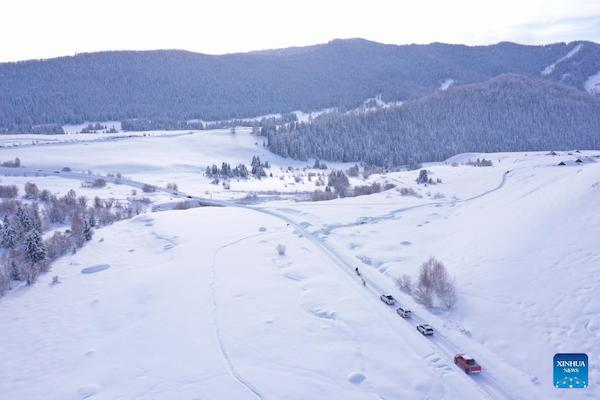
Where Hemu Is and How to Reach It
Hemu lies deep in the Altai, a few hours by road from Altay city and its airport. Most visitors fly into Altay and then transfer north through snowy forest and open valley — a journey that is half the adventure. Because the village is remote, plan the transfer in advance; the Altay city ski resorts guide explains the northern routing and how to chain Hemu with the other Altai hills into one coherent trip. There is no ski-from-town convenience here like at Jiangjunshan; instead you trade convenience for a setting no other Xinjiang resort can match, and most travellers agree the trade is worth it the moment they see the cabins under first light.
The Skiing: Village, Valley and Backcountry
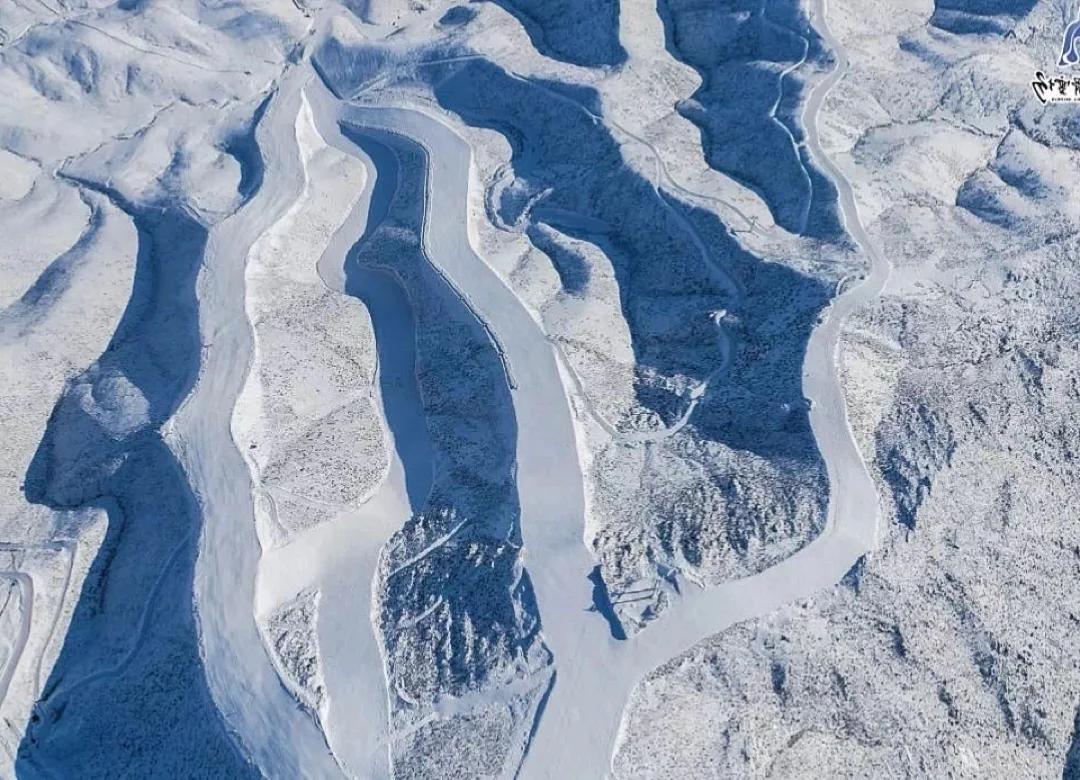
Hemu’s appeal is variety. Around the village there are gentle slopes and a small lift-served area good for a relaxed day and for learning. Beyond that, the real draw is the terrain: open meadows, gladed spruce, and the famous frozen Hemu river that becomes a natural ski highway in deep winter. Confident skiers head into the sidecountry and backcountry, where storms pile dry Altai powder into waist-deep caches. For the deeper, lift-served powder, the nearby Cocoa Tuohai ski resort is the natural pairing — many visitors base in Hemu and day-trip there. If you want a gentle on-ramp into the region first, Altai Jiangjunshan ski resort sits right on Altay city’s edge and is the easy introduction before you go remote and commit to the village.
Snow and Season
The Altai holds snow longer and drier than anywhere else in Xinjiang, and Hemu is squarely in that belt. The season runs roughly December through March, with the deepest, most reliable base in January and February. Because the village is sheltered, it often stays skiable even when exposed Tianshan ridges close in a storm. This is precisely why the region tops our best powder ski resort in Xinjiang discussion — the snow quality here is the headline act, not a bonus, and a single fresh dump can keep a confident skier smiling for days without ever sharing a line.
Staying in a Tuva Cabin
The lodging is the point. Hemu’s wooden cabins are heated, simple and atmospheric — the kind of place where you wake to frost on the window and a valley of absolute quiet. There are no resort bubbles or cocktail bars; instead you get local food, a wood stove, and hosts who know the snow. Book early in peak season, because cabin numbers are limited and the village is small. The trade for the charm is thin infrastructure: bring what you need, keep some cash for small vendors, and accept that English is rare outside arranged guides, which only adds to the feeling that you have slipped off the mainstream map entirely.
Backcountry Safety
The freedom that makes Hemu special also demands respect. The backcountry beyond the marked runs is ungroomed and unpatrolled, and altitude plus weather can turn serious fast. Never go solo off the marked terrain without the right kit and knowledge, and consider a licensed guide for your first northern tours. Avalanche awareness, a beacon, and a buddy system are non-negotiable for anything beyond the resort edge. The region rewards caution with some of the most memorable untracked skiing in Asia, but it punishes complacency, so treat the silence as a reminder rather than an invitation to push past your ability.
Food, Culture and Slow Days
A Hemu day moves at village speed. Mornings are for snow; afternoons are for tea by the stove, a walk along the frozen river, or a visit to the viewpoint above the cabins. Food is hearty and local — noodles, dumplings, and meat dishes that fuel cold days. Build a rest day into any week here; the silence and the scenery are the attraction as much as the skiing, and a slow day lets the place land. Pair it with a hot-spring evening if you can find one nearby, and you will understand why so many visitors extend their stay by a night they never planned to take.
Who Hemu Is For
- Scenery seekers: no Xinjiang resort looks like this, with cabins, spruce and river all under one snowy roof.
- Powder hunters: deep, dry Altai snow within reach of the village after every Siberian storm.
- Slow travellers: cabin life, quiet, and a real sense of place far from any resort bubble.
- Backcountry skiers: terrain and access, best explored with a local guide who knows the snow.
It is less ideal for those who need city comforts, English everywhere, or a vast lift network — that is the Tianshan’s job, and the two regions complement each other rather than compete.
Tips From Experience
- Book the cabin and transfer together, well ahead of peak winter, because both are limited and sell out.
- Base in Hemu and day-trip to Cocoa Tuohai for lift-served powder without changing lodgings.
- Hire a licensed guide before any backcountry tour; the terrain is unpatrolled and serious.
- Pack cash, warm layers, and a spare battery kept inside your jacket where the cold cannot drain it.
- Arrive with realistic expectations: this is a village, not a resort complex, and that is the entire appeal.
- Leave a rest day for the scenery — the viewpoint above the cabins is unforgettable at first light.
Frequently Asked Questions
Is Hemu a resort or a village?
Both, really — a Tuva village with ski terrain around it and backcountry access beyond. It is far less developed than a European resort, which is the appeal for travellers seeking something different.
Do I need backcountry experience to ski Hemu?
No. The village has gentle slopes and a small lift area for relaxed skiing. The backcountry is optional and best done with a guide who knows the local snow and terrain.
How do I get to Hemu?
Fly to Altay, then transfer north by road; the northern routing is covered in the Altay city resorts guide. It is remote, so plan the transfer in advance and build in buffer time.
When is the best snow at Hemu?
January and February deliver the deepest, driest base. The season runs roughly December to March, with the shelter of the valley keeping it skiable late.
Can beginners ski Hemu?
Yes, on the village slopes, though most first-timers start at Jiangjunshan for convenience before venturing north to Hemu once they have found their legs.
Is Hemu expensive?
Lodging is limited and books up, but daily costs stay low by global standards; the price is the journey and the cabin, not the skiing itself, which remains a bargain.