

An Altay ski trip is one of the most rewarding winter journeys in Asia. This remote corner of northwest China sits in the same mountain system where archaeologists found the world’s oldest known skis, and today it pairs that deep heritage with serious, modern powder. If you are planning your first Altay Xinjiang skiing adventure, this guide walks through timing, transport, the main resorts, and the practical details that turn a good idea into a smooth trip.
Why Choose Altay for Your Ski Trip
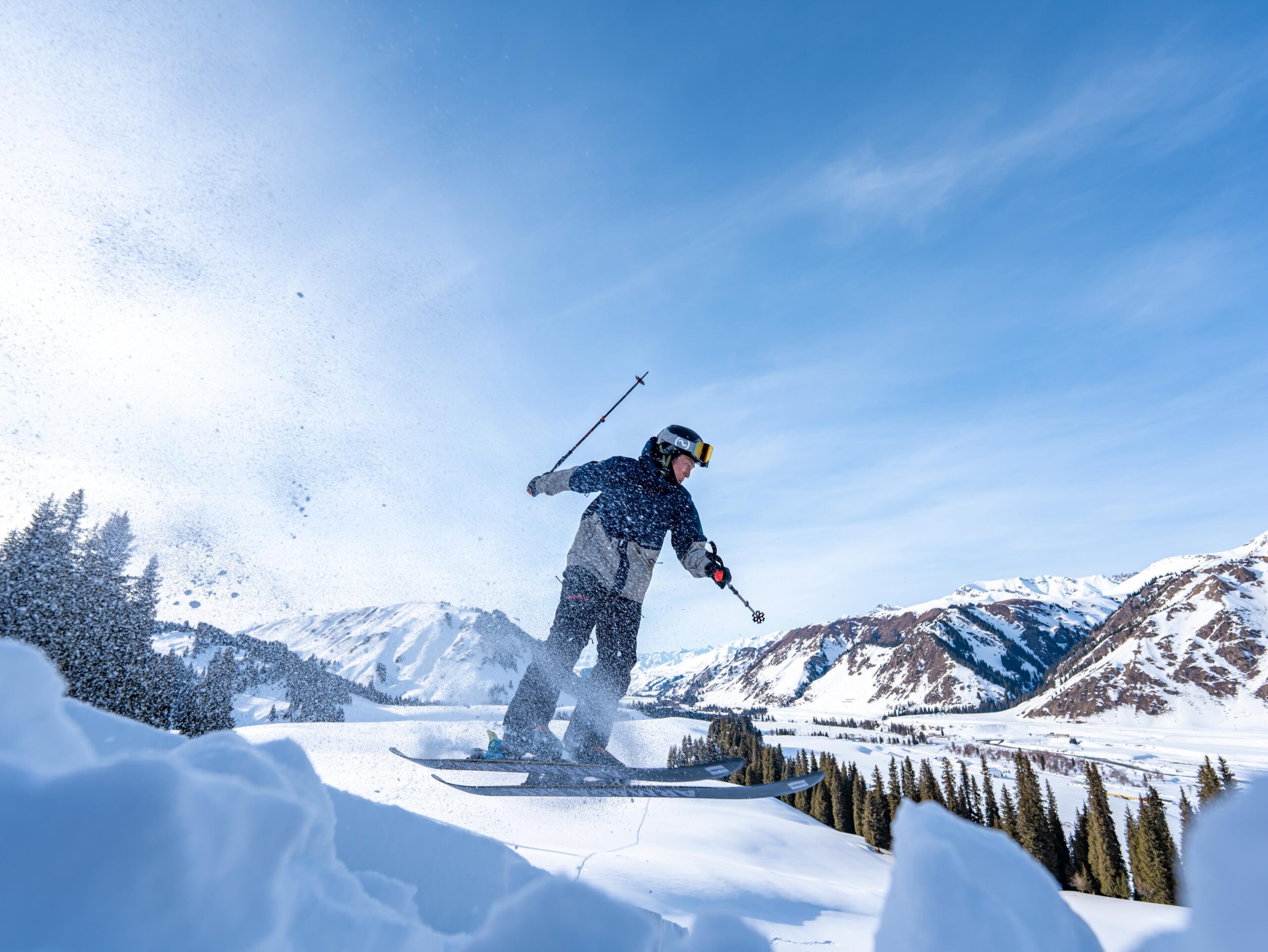
Altay prefecture, in the far north of Xinjiang, catches some of the driest, deepest snow in China. The combine of cold Siberian air and moisture from the Arctic gives the region a long, reliable season and a quality of powder that draws skiers who have already ticked off the big resorts closer to Urumqi. Unlike crowded alpine destinations, where to ski in Xinjiang often comes down to a choice between the easily reached Tian Shan and the wilder, more soulful Altay range.
The area is also historically significant. Local Kazak and Mongolian communities have used skis for thousands of years, and that living tradition makes a Xinjiang skiing trip here feel connected to something older than the sport industry. You can still meet herders who recall wooden skis, then ride a chairlift the same afternoon.
Best Time to Plan an Altay Ski Trip
Snow usually begins to build in late November and the best conditions run from December through February. For the deepest base and the most stable cold, January is hard to beat, though it is also the coldest month. If you want comfortable temperatures with reliable coverage, aim for mid-December or late February. Always check the best time to ski in Xinjiang before locking in flights, since weather windows shift year to year.
- December: Early season, fewer crowds, festive atmosphere near New Year.
- January: Coldest and snowiest, ideal for powder hunters.
- February: Stable snow, warmer days, peak for family trips.
- March: Spring skiing possible at higher elevations only.
Main Resorts on an Altay Ski Trip
The flagship is Jiangjunshan in Altay city, a well-developed mountain with lit night skiing, rental gear, and English-friendly signage that makes a first visit easy. Nearby, the Altai Jiangjunshan ski resort connects you to both groomed runs and gateways toward backcountry zones. For experienced skiers, the surrounding valleys offer lift-assisted and ski-touring options where you can find untouched lines after a fresh snowfall.
Jiangjunshan
Best for: first-timers, families, night skiing, and anyone who wants amenities close to a city. The lift network covers beginner to advanced terrain, and the town below has hotels, food, and transport.
Keketuohai (可可托海)
Best for: stronger skiers who want longer, steeper runs and a more remote feel. It sits a few hours south and is a favorite among Chinese advanced skiers for its sustained pitches.
Getting There
Most travelers fly into Urumqi first, then take a connecting flight to Altay (Aletai) airport, or a long overland drive. Winter roads can be slow, so flying is the sane choice for a short trip. From Altay airport, resorts are a short transfer. Build buffer days into your plan in case of weather delays, which are more common in deep winter.
What to Pack and Prepare
Cold in Altay is no joke. Pack a proper insulated jacket, thermal layers, a windproof shell, and quality gloves plus spares. Goggles with a low-light lens help on flat-light days. If you are new to the region, consider a lesson through beginner skiing programs before heading to steeper terrain.
- Layer for -20°C with room to move.
- Bring two pairs of gloves and a neck gaiter.
- Carry lip balm and moisturizer; the air is very dry.
- Download offline maps; signal can drop in valleys.
- Book transfers in advance during holidays.
Side Trips Worth Adding
If you have extra days, the backcountry powder in Xinjiang around Altay is legendary. Guided ski-touring days, dog sledding, and visits to Kazakh winter pastures round out the trip. The nearby town of Hemu (禾木), a fairytale timber village, is spectacular under snow and worth at least one overnight.
Altay vs Other Xinjiang Ski Regions
Choosing which Xinjiang resorts to include depends on your priorities. The Tian Shan around Urumqi is easier to reach, more developed, and better for a short trip with reliable amenities. Altay trades some convenience for deeper snow, thinner crowds, and a stronger sense of place. Many returning skiers do both: a few days near Urumqi to warm up, then a longer push north to Altay for the powder.
Where to Stay
Altay city has the widest range of hotels, from international chains to family guesthouses, all a short hop from Jiangjunshan. Staying in town keeps costs down and puts you near restaurants and markets. If you want slope-side convenience, the resort hotels at Jiangjunshan put you first on the lift, though they cost more and book out over Chinese New Year. For Keketuohai, on-mountain lodging is the practical choice given the distance from any city.
Budget and Costs
An Altay ski trip is more affordable than equivalent trips in Europe or North America, but remote logistics add up. Expect to budget for flights, resort lodging, lift passes, gear rental, and transfers. Lift tickets are reasonable, food is cheap if you eat local, and guided backcountry days are the biggest variable. Booking early, especially for January and February, locks in better rates.
- Lift pass: Cheaper than Western resorts; multi-day passes lower the daily rate.
- Rental: Full kits available at main resorts; bring your own boots if you have them.
- Transfers: Shared vans from Altay airport are cost-effective.
- Guides: Worth the splurge for safety and access to the best lines.
Safety, Altitude, and Acclimatization
Altay’s peaks are not extreme in altitude compared with parts of the Tibetan Plateau, but cold and wind demand respect. Frostbite is a real risk on the coldest days, so cover exposed skin and take warm-up breaks. If you come from sea level, spend a night in Urumqi or Altay city before skiing hard. Always ski with a partner in backcountry terrain and carry a beacon, probe, and shovel when venturing off-piste.
A Simple 6-Day Altay Ski Itinerary
- Day 1: Fly to Urumqi, connect to Altay, settle in and rest.
- Day 2: First ski day at Jiangjunshan, focus on warm-up runs.
- Day 3: Full day at Jiangjunshan plus night skiing.
- Day 4: Transfer to Keketuohai, ski the longer advanced terrain.
- Day 5: Guided backcountry or ski-touring day with a local expert.
- Day 6: Visit Hemu village, then fly out via Altay or Urumqi.
Frequently Asked Questions
Is Altay good for beginner skiers?
Yes. Jiangjunshan has dedicated beginner areas, rental gear, and instructors. Start there before exploring harder mountains like Keketuohai.
How many days do I need for an Altay ski trip?
Five to seven days lets you ski two mountains, acclimatize to the cold, and add a side trip without rushing. Four days is the minimum if you fly directly in.
When is the snow best in Altay?
Mid-December through February offers the most reliable base. January is snowiest but coldest; late February is milder with good coverage.
Do I need a guide for backcountry near Altay?
Strongly recommended. Terrain, weather, and avalanche risk are real. Hire a local guide rather than touring alone on your first visit.
Can I combine Altay with Urumqi resorts?
Yes, though it adds travel time. Many skiers fly into Urumqi, ski the Tian Shan, then connect north to Altay for a contrasting experience.
What food should I try on an Altay ski trip?
Hearty mutton stews, hand-pulled noodles, and milk tea fuel cold days. Resort towns serve both local Xinjiang dishes and familiar international options.