

China does not have one ski season; it has four, running on different clocks. The dry northern mountains of Xinjiang peak on a different schedule from Heilongjiang’s cold east, the Beijing hills near Chongli depend heavily on snowmaking, and Yunnan’s high valleys ski in a shorter window. This page is a regional calendar: when each belt is worth booking, and which national holidays turn a good week into a queue. It is written for travellers choosing between regions, not for someone who has already decided on Xinjiang and wants a daily field log.
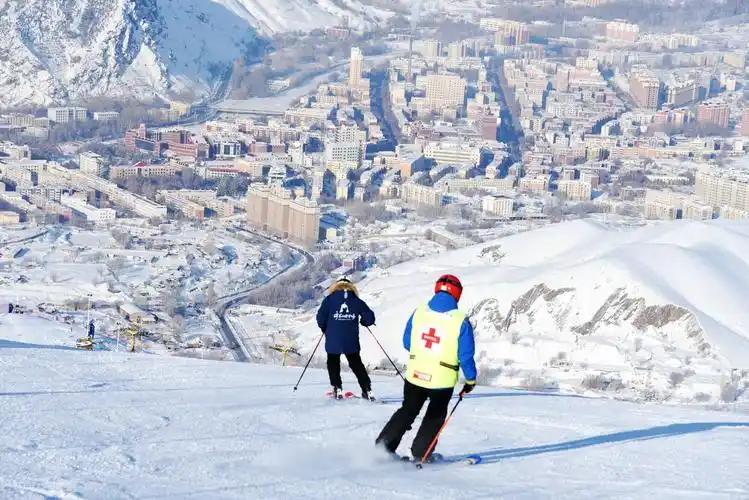
China’s Ski Season at a Glance
Most Chinese resorts open in November or December and close between March and early April, depending on altitude and latitude. The far north, including Xinjiang and Heilongjiang, enjoys the coldest temperatures and the most reliable snow, while southern and lower resorts rely more on snowmaking. For a region-specific view, our best time to ski Xinjiang guide focuses on the northwest’s long, cold season and explains why its snow stays light and dry deep into winter.
The Three Seasons
- Early (Nov-Dec): Quiet, cheap, good for learning, but thinner natural snow early on and shorter daylight.
- Peak (Jan-Feb): Coldest, deepest snow, but crowded around the big holidays and pricier for rooms.
- Late (Mar-Apr): Sunnier, softer snow, fewer crowds, great value, though some high slopes close first.
Each window suits a different kind of skier, and none is wrong. The key is matching the month to your priorities rather than just picking the cheapest flight.
Four snow belts, four calendars
November: Resorts open and early-bird prices appear, but snowpack is still building and some lifts may run limited hours. December: Conditions improve fast, and pre-holiday weeks are calm and crisp. January: The heart of the season with reliable cold and powder, though the New Year period draws crowds. February: The busiest month because of the Spring Festival holiday; book everything early and expect lively base areas. March: A favorite for many regulars, with spring sun and manageable crowds and surprisingly good snow in the north. April: Limited terrain but bargain prices and quiet slopes for relaxed final turns.
For the wider national picture, our Xinjiang ski season article maps out how the regional climate shapes these months and which weeks tend to be the coldest and snowiest.
Watching the Snow and Weather
Snow quality follows the weather, and China’s north can swing between bluebird powder days and brief thaws. Before you commit, check our Xinjiang ski weather and snow resource, which explains how to read seasonal forecasts and what different temperatures mean for the snow surface. Cold snaps bring the lightest powder, while warmer spells soften the top layer and create spring-like conditions by afternoon.
Avoiding the Big Holiday Crowds
The single biggest factor in crowd levels is the Spring Festival, which falls in January or February. Resorts near major cities fill with domestic visitors, lift lines grow, and prices rise. If your dates are flexible, aim for early December or March to enjoy similar snow with a fraction of the people. Our where to ski in Xinjiang guide also points to more remote areas that stay calm even in peak weeks, because they are simply harder for casual day-trippers to reach.
Quick Planning Tips
- Book flights and lodging two to three months ahead for January and February.
- Pack for extreme cold if visiting Xinjiang in deep winter, with real layering.
- Consider a weekday arrival to dodge weekend local crowds near big cities.
- Track snow reports in the two weeks before you fly and stay flexible if possible.
- Check school holiday calendars, not just public ones, since they affect resorts too.
How do China’s ski regions differ by month?
Xinjiang’s northern resorts generally hold cold, dry snow from late November into March. Heilongjiang and Jilin peak in January and February, when the air is cold enough for reliable snowmaking. Chongli near Beijing runs on manufactured snow and a short natural season. Yunnan’s high mountains offer a compact winter window. Each belt needs a different booking month.
I use this calendar to decide where to go, not which week to ski a single mountain. If your dates are fixed in early December, the northeast is usually a safer bet than the Beijing hills. Compare the regional snow guide with live resort reports before booking.
When is Xinjiang at its best compared with the northeast?
Xinjiang’s advantage is dry, light snow and lower humidity, most obvious from January through February. The northeast counters with deep cold, reliable infrastructure and easy access from major cities. I would choose Xinjiang for powder and quiet slopes, and Heilongjiang for a short family trip with predictable transport. Both are at their best in the same two months.
The shoulder weeks either side of those months are cheaper but less certain. Early-season openings depend on sustained cold, and late-season snow turns heavy. The best time to ski China guide gives the broader national picture; this page is the regional comparison.
Which holiday weeks should I avoid in China?
Chinese New Year is the big one: families travel, rooms double in price and lifts queue from opening. The National Day week in early October is rarely a ski week, but the January and February holidays around the new year hit the snow season directly. I avoid the first three days and the weekend either side when I can.
If you must travel then, book a base with more than one mountain so a crowded lift is not the end of your day. Small guesthouses often hold rooms longer than big hotels. The holiday calendar guide lists the usual pressure points by year.
Is Chongli worth it for a short ski trip?
For a weekend from Beijing, yes: the transfer is short and the resort infrastructure is mature, even if the snow is largely manufactured. I would not plan a week there expecting natural snow. It suits first-timers and families who value easy logistics over powder. For deeper snow, the flight to a northern mountain is worth the effort.
Check snowmaking conditions rather than historical averages; a cold week matters more than a forecast of flakes. The Beijing ski resorts guide covers the day-trip options. If you have five days, compare it with a northern trip before you commit.
How far ahead should I book by region?
For Xinjiang and the northeast, I book rooms roughly a month ahead for ordinary weeks and much earlier for holidays. Chongli weekends can be booked late because transport is easy, but the better lodges fill first. Yunnan’s short season rewards flexibility rather than early commitment. Flights to remote northern airports are the piece that needs the longest lead time.
I set a price alert on the flight and choose the mountain after I see the fare. That reverses the usual planning order but works well across a country this large. Confirm the resort’s opening notice before paying for a non-refundable room.
Regional Differences Worth Knowing
Beijing-area hills are best from December to February, when cold is reliable, but they are the most holiday-sensitive because of proximity to a huge population. Xinjiang’s season is longer and colder, with top snow from December through March and fewer casual crowds. The northeast around Harbin shares Xinjiang’s cold but draws bigger festival crowds. Matching region to month is the real secret behind a great trip, more than any single national rule.
What to Pack by Month
Your packing list shifts with the calendar. In deep winter, from December to February, bring serious insulation: a proper down jacket, merino base layers, neck gaiters and hand warmers, because Xinjiang and the northeast can drop far below freezing. In November and March, milder days mean you can layer down to a lighter shell by afternoon, though mornings stay cold. April is often the softest and sunniest, so sunglasses, sunscreen and a lighter outfit work best. Whatever the month, pack spare gloves, because wet hands end a good day faster than tired legs, and keep electronics warm in an inside pocket so batteries last.
Last-Minute and Flexible Planning
If you cannot book far ahead, aim for the shoulder weeks of early December or mid-March, when walk-up rooms and lessons are easier to find and prices are lower. Watch the ten-day forecast and let snow drive a flexible final decision: a cold snap after a storm is worth reshuffling plans for. Domestic flights within China are frequent, so you can shift from a city resort to a northern one if conditions favor it. The one thing not to leave late is holiday-period travel, because Spring Festival sells out rooms and lifts across the whole country at once, and prices climb with demand.
Matching the Month to Your Skill
Beginners do best in the calm early and late weeks, when slopes are empty and the pressure to keep up with confident locals is low. Intermediates and experts often prefer January and February for the deepest snow and the chance to test real powder. Freeriders chasing backcountry should target the coldest, snowiest stretch and check avalanche guidance before leaving the resort boundary. Matching your ability to the month turns a merely pleasant trip into a genuinely memorable one, and it keeps the mountain feeling like it was arranged just for you.
Frequently Asked Questions
What is the snowiest month to ski in China?
January and February typically bring the deepest, most reliable natural snow in the north, especially Xinjiang and Heilongjiang. Cold temperatures keep the powder light and the base deep through the peak season, making these the safest months for powder hunters.
When are Chinese ski resorts least crowded?
Early December and March are the calmest windows, avoiding both the New Year and Spring Festival surges. Weekdays are quieter than weekends at resorts near big cities, and remote Xinjiang mountains stay peaceful even in busier weeks.
Is March a good time to ski in China?
For many regulars, yes. Snow is still solid in the north, the sun is stronger, and crowds thin out after the holidays. Southern resorts may be slushy, so aim north for late-season trips and enjoy softer, sunny afternoons.
How do Chinese holidays affect ski trips?
The Spring Festival causes the biggest spike in prices and crowds. If you travel then, book well ahead and expect busy slopes, or shift to early December for a calmer experience with nearly as good snow.
Can you ski in China in November?
Yes, most resorts open by late November, though natural snow may be limited early. It is a budget-friendly time with short lines, ideal for first-timers who don’t need deep powder yet and want to learn without the holiday rush.
Which Chinese ski region has the longest season?
Xinjiang’s northern resorts usually run the longest, with cold conditions often lasting from late November into March. The northeast is close behind and more predictable in deep winter, while Chongli depends on snowmaking and Yunnan has a compact high-altitude window. For a long trip, choose the north; for a long weekend near a major city, choose Chongli.
Does snowmaking change the best month to visit?
Yes. At resorts that rely on machines, cold temperatures matter more than natural snowfall, so midwinter is safer than December or March. A warm spell can close terrain even when the forecast promised snow. Always check the resort notice board or operator message for open lifts before you travel, especially around holiday weeks when crowds amplify every closure.