

Learning to ski in China is easier than many foreigners expect, thanks to a growing number of English-speaking instructors at the country’s top resorts. This guide to China ski schools for foreigners explains how lessons are structured, where you can find English instruction, what it costs, and how to book a teacher who matches your goals. Whether you are a first-timer hoping to stand up on day one or an intermediate rider chasing better technique in Xinjiang’s famous snow, the right instructor makes the difference. Ski schools at major Chinese resorts now cater to international guests, and many offer private and group options with bilingual staff who understand the specific worries that visitors from abroad bring to the mountain.
Where to Find English Instruction
The best chance of an English-speaking teacher is at the large, foreigner-friendly resorts. In Xinjiang, the international attention on its deep powder has pushed schools to train bilingual guides, and you can read about the setup in our English ski lessons in Xinjiang page. Beijing’s resorts and the big northeastern mountains also employ instructors who teach in English, especially during peak holiday periods when demand from overseas visitors is highest. Smaller hills may have only Chinese-speaking staff, so if language matters, choose your resort with that in mind from the start.
Private Versus Group Lessons
- Private: One-on-one attention, flexible pace, ideal for nervous beginners or specific goals like conquering a steep pitch.
- Small group: Cheaper, social, and good if you don’t mind a mixed ability level and a set curriculum.
- Multi-day camp: Best for real progress, often with the same instructor each day and a clear development path.
Most visitors start with a private lesson to build confidence, then join a group or practice alone once the basics feel natural. There is no shame in mixing formats across a trip.
How Lessons Are Structured
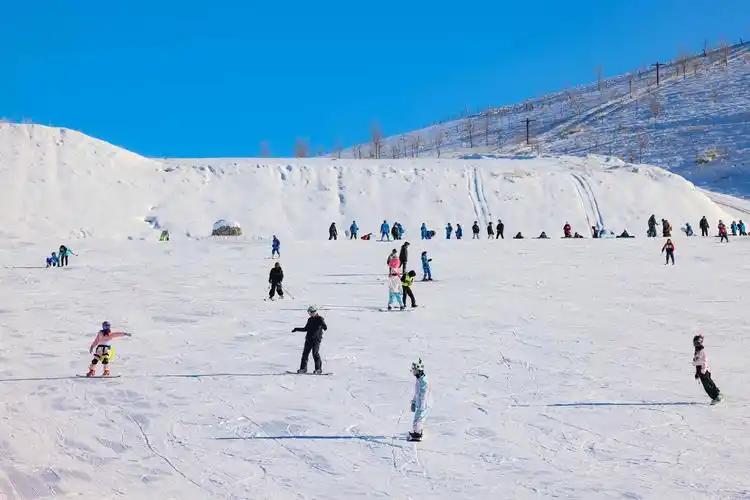
A typical first lesson starts on the flat area near the base, where you learn to balance, glide and stop. From there you move to a gentle slope and practice the snowplough, then progress to linking turns as your confidence grows. Instructors in China follow a similar progression to European and North American schools, and certification standards have risen sharply. Our Xinjiang skiing for beginners guide walks through the same steps if you want to preview the curriculum and arrive knowing the vocabulary your instructor will use on the snow.
What It Costs
Lesson prices in China are generally competitive with global rates. A private hourly lesson at a major resort costs a moderate fee, with discounts for booking multiple hours or full days. Group lessons are cheaper per person but less personalized. English-speaking instructors sometimes command a small premium because demand outstrips supply, so book early in peak season. Factor lessons into your overall plan using our Xinjiang ski trip cost breakdown, which shows how instruction fits alongside lifts, rental and lodging for a realistic total budget.
How to Book a Good Instructor
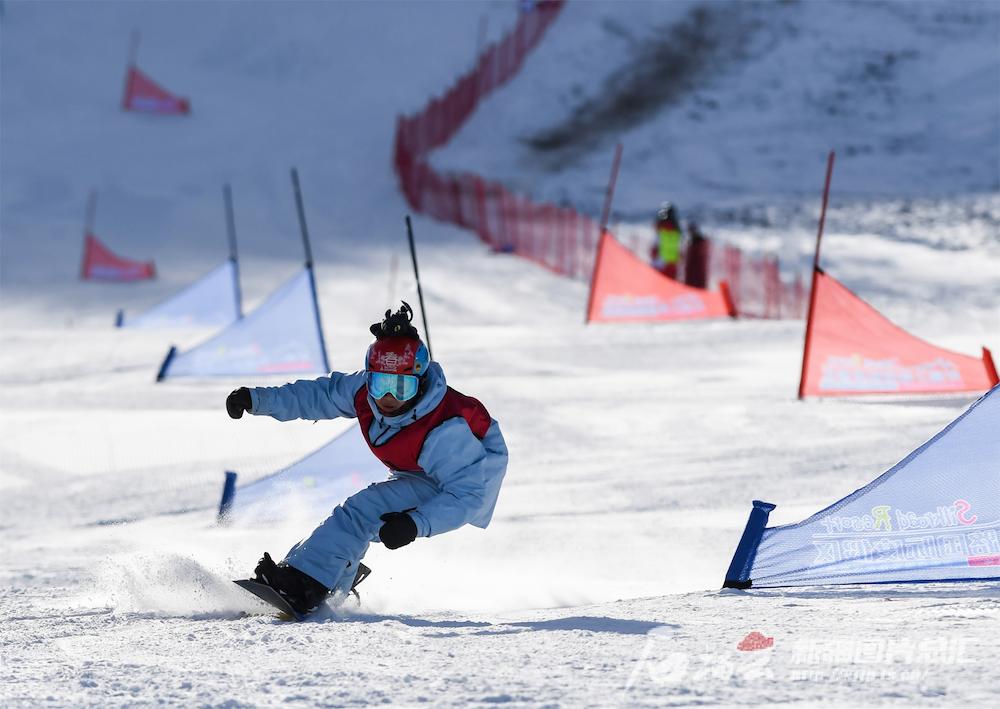
Book through the resort ski school rather than an unofficial individual, both for safety and insurance. When you reserve, state your language need clearly and ask for an instructor with proven foreign-student experience. Many schools now list bilingual teachers online. If you are a snowboarder rather than a skier, our Xinjiang snowboarding guide explains which schools have strong board coaches and what a good first snowboard lesson should cover, from strap-in to toe-side turns.
Questions to Ask the School
- How many years of teaching experience does the instructor have with adult beginners?
- Are they certified by a recognized ski teaching body, and can they show credentials?
- Can the same instructor stay with me for multiple days for consistency?
- Is equipment and lift access included in the lesson price, or billed separately?
- What is the cancellation policy if the weather turns bad?
Tips for a Better First Lesson
Dress in layers, arrive early to fit your rental gear, and set a clear goal with your instructor such as linking ten turns or riding a chairlift confidently. Don’t be shy about asking the teacher to slow down; a good instructor adapts to you. If you are deciding between China and its neighbors for a learning trip, our Xinjiang versus Japan skiing comparison covers teaching styles and value, and it helps you decide where your tuition money goes furthest.
What Progress Should Look Like
A realistic arc is falling less by the end of lesson one, controlling speed on green runs by lesson two, and linking turns on a gentle blue by the third. Everyone learns at their own pace, and cold weather can slow progress, so be patient with yourself. Instructors in China are used to nervous first-timers and will keep you on terrain that builds confidence rather than fear. Celebrate small wins, and you will be surprised how quickly the mountain opens up.
Children’s Lessons and Family Options
Many Chinese resorts run dedicated kids’ programs with patient, certified instructors and a fenced learning area away from faster traffic. These programs often mix skiing with games so young children stay warm and engaged, and they usually include equipment and lift access in the price. For families, booking a private instructor who can teach two generations at once is a popular trick: parents and kids learn together while the teacher manages both levels. Ask whether the school provides video feedback, because a short clip of your turns is one of the fastest ways to spot and fix a habit.
Steps to Book Online
Start by opening the resort’s official ski school page and selecting your date, lesson type and language. Upload your ability honestly and note any injuries or fears, since that shapes the plan. Pay a deposit if required and save the confirmation with the meeting point, which is usually a flag or desk at the base. Reconfirm by message the day before, especially in peak season when schedules shift. If the resort site is Chinese-only, ask your hotel to book on your behalf, or use a reputable agency that lists bilingual teachers with reviews you can read before committing.
What to Bring to Your Lesson
Arrive with your passport, gloves, goggles, a small backpack with water and a snack, and clothes you can move in. Boots and skis can be rented on site, but your own gloves and goggles are worth bringing for fit and hygiene. A fully charged phone with a translation app covers any gap with staff. Most importantly, bring patience: learning a new physical skill in the cold takes time, and the skiers who improve fastest are the ones who rest when tired rather than pushing through frustration and reinforcing bad habits.
Frequently Asked Questions
Can I find English-speaking ski instructors in China?
Yes, at the major resorts, especially in Xinjiang, Beijing and the northeast. Demand is high in peak season, so reserve ahead and confirm the language when booking through the official ski school rather than a freelance offer at the base.
Are lessons safe for complete beginners?
Very safe when taken through a licensed resort school. Instructors are trained in teaching progressions and slope safety, and beginner areas are separated from faster traffic, with slow zones clearly marked for learners.
How many lessons to learn the basics?
Most first-timers can snowplough and ride a beginner lift after two or three private lessons. Comfortable parallel turns usually take a full multi-day course plus practice, and varied snow conditions will test your new skills.
Is equipment included in the lesson price?
Usually lift access and sometimes rental are bundled, but not always. Always confirm what is included, because rental and lift fees can otherwise add up quickly and surprise you at the desk.
Should kids take group or private lessons?
Private lessons suit shy or very young children who need close attention, while confident kids often thrive in group settings where they learn alongside peers and pick up the language of the slope naturally.