

While most of the northern hemisphere is still waxing skis and watching webcams, Xinjiang is already open. The region’s high latitude, high base elevations, and brutally early cold snaps make it one of the first places in Asia – and the world – to offer real skiing each year. Major resorts frequently spin lifts in early-to-mid November, and in strong years the Altay mountains see skiable natural snow in late October. But early season here has its own personality: thin spots and closed ridgelines coexist with shockingly good cold snow, empty pistes, and shoulder-season prices. This guide explains what actually opens in November, what conditions to expect week by week, and how to build an early trip that delivers. For the big picture on winter timing, pair this with our guide to the best time to ski Xinjiang.
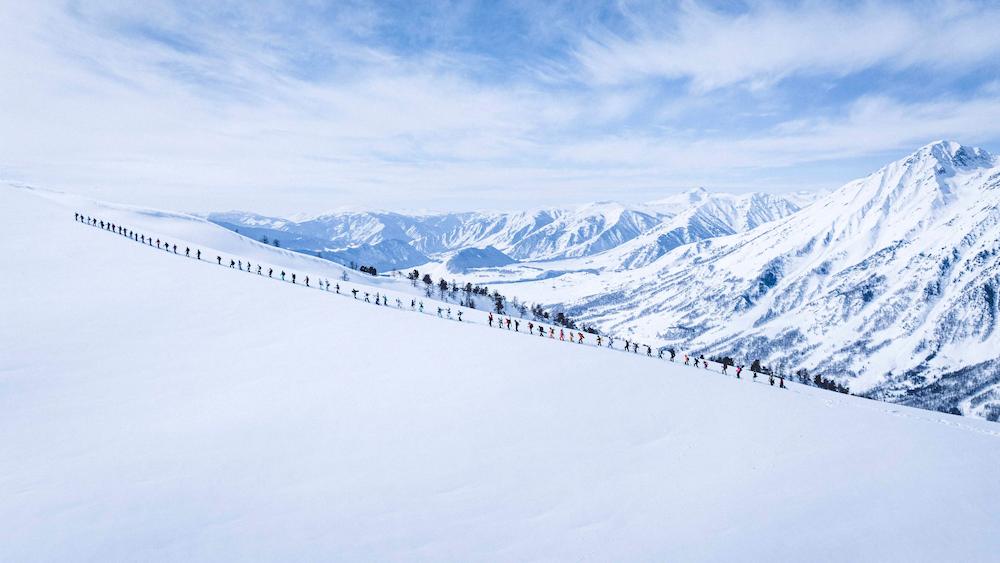
When Do Xinjiang Resorts Open?
Opening dates vary with snowfall and snowmaking capacity, but recent seasons follow a consistent pattern:
- Late October: first storms hit the Altay range; Koktokay and General’s Mountain begin snowmaking during cold nights.
- Early November: General’s Mountain (Altay City) and Silk Road (Urumqi) typically open first runs – a mix of machine-made base and early natural snow.
- Mid November: Koktokay opens its lower and mid mountain; upper gondola terrain follows as coverage builds.
- Late November: most resorts run the majority of lifts; alpine and off-piste zones open progressively into December.
By comparison, many big-name resorts elsewhere in China and Japan are still weeks from meaningful terrain. If November is your only window, Xinjiang is arguably the best option in Asia – see how the region stacks up in our China skiing guide.
What Early-Season Conditions Are Really Like
The good news
- Cold, dry snow from day one. November temperatures in Altay routinely sit between -10°C and -20°C, so whatever falls stays light. There is no early-season slush phase here.
- Empty slopes. Chinese domestic ski traffic peaks around New Year and Spring Festival. In November you may share a gondola cabin with nobody at all.
- Lower prices. Lift tickets, lessons, and hotels often run 20 – 40% below peak-season rates, and flight fares into Urumqi are at their yearly low.
- Fast lapping. No lines means double the vertical of a February peak-week day.
The honest caveats
- Limited terrain at first. Expect 30 – 60% of runs open in the first two weeks, focused on groomers. Steep alpine faces and tree zones need a deeper base.
- Thin cover off-piste. Rocks and shrubs lurk under early snow. Keep rock skis in mind, or simply stay on the groomed until December.
- Weather swings. A -25°C cold snap or a warm lull can both happen in November; pack for the full range.
- Shorter facility hours. Some restaurants, rental shops, and hotels run reduced schedules before December.
For week-by-week snowfall patterns and temperature averages, our Xinjiang ski weather and snow guide has the detailed climatology.
Best Resorts for an Early Trip
General’s Mountain – the reliable opener
Strong snowmaking, city-side convenience, and night skiing make it the safest November bet. You sleep in Altay City hotels, walk or taxi to the base, and always have restaurants and pharmacies nearby if the weather turns.
Silk Road – the Urumqi option
An hour from the region’s main air hub, Silk Road opens early on machine-made base and builds quickly. It is ideal if you want to minimize internal travel: fly into Urumqi, ski the next morning.
Koktokay – the powder gamble
Koktokay’s high, sheltered terrain holds cold snow beautifully, and by late November it can already ski like mid-winter. The gamble is the first two weeks of the month, when upper terrain may still be closed. If your goal is early untracked snow rather than mileage, watch the storm forecasts and stay flexible – the region’s reputation for light snow is well earned, as our breakdown of the best powder ski resort in Xinjiang explains.
Planning Tips for November Trips
- Book refundable where possible. Opening dates shift with weather; flexible hotel bookings protect you.
- Arrive mid-month or later. November 15 – 30 offers the best odds of wide terrain with early-season pricing intact.
- Bring full winter kit. Do not pack like it is shoulder season – it is deep winter cold with less snow, not mild weather.
- Confirm lift status daily. Resorts post daily open-run maps on their WeChat accounts; your hotel front desk can translate.
- Layer your goals. Plan groomer mileage as the baseline, and treat any early off-piste opening as a bonus.
- Catch the light. Short-feeling days still end with spectacular color – build in an evening at the summit using our guide to Xinjiang resort sunset viewpoints.
A Sample One-Week Early-Season Itinerary
Here is a proven November template that balances certainty with upside. Fly into Urumqi on day one and spend the afternoon acclimatizing, sorting SIM cards, and picking up any last gear. Ski Silk Road on days two and three – it will almost certainly be open, and two days of fast groomer laps get your legs back under you. On day four, take the short flight or the scenic drive north to Altay City, and ski General’s Mountain that afternoon and evening, finishing under the floodlights. Days five and six are your Koktokay window: if the upper mountain has opened, you get the trip’s best snow and scenery; if not, the lower gondola zones still deliver quiet, high-quality cruising. Day seven is a buffer – use it to re-ski whichever mountain delivered the most fun, or to chase a fresh storm. This structure means that even in a slow snow year you ski every single day, while leaving room to pounce when the season’s first real dump arrives.
How Early Season Compares to Peak and Late Season
November trades terrain breadth for solitude and savings. December through February brings the legendary deep cold-smoke period, with the fullest terrain and coldest temperatures. March offers spring energy and long days. If you can only come once and want everything open, aim for January or February. If you want the mountains to yourself, want to be skiing while friends at home are still waiting for opening day, or you are pairing skiing with autumn travel elsewhere in China, November in Xinjiang is a genuinely underrated window. The full month-by-month picture lives in our Xinjiang ski season guide.
Frequently Asked Questions
When exactly do Xinjiang ski resorts open each year?
Most major resorts open between early and mid November. General’s Mountain and Silk Road typically open first, with Koktokay following as natural coverage builds. In strong snow years, limited skiing can start in late October.
Is November skiing in Xinjiang actually good, or just open?
It is genuinely good – on groomers. The snow is cold and dry from the first storms, corduroy is excellent, and crowds are near zero. What you sacrifice is terrain breadth: steep alpine and tree runs usually need until December.
Are prices cheaper in early season?
Yes. Expect roughly 20 – 40% savings on lift tickets and lodging versus peak weeks, plus the year’s cheapest flights into Urumqi and Altay.
Can I ski powder in November?
Sometimes. Storms do deliver resettable cold snow in November, especially at Koktokay, but coverage off-piste is thin and rocky early on. Treat powder as a bonus, not the plan, until the base deepens in December.
What should I pack for early-season Xinjiang?
Full mid-winter gear: insulated jacket and pants, heavy gloves plus liners, balaclava, goggles with a low-light lens, and hand warmers. November regularly hits -15°C to -20°C despite the thinner snowpack.
Is it easy to get to the resorts in November?
Yes – flights to Urumqi and Altay run year-round, roads are plowed, and transfers operate normally. Winter transport infrastructure is fully active well before the first lifts spin.