

Getting to the powder is the first challenge of any Xinjiang ski holiday. The region sits in the far northwest of China, thousands of kilometres from the main gateway cities, so almost every foreign skier arrives by air. The good news is that flight connections have improved dramatically in recent winters, with more direct services into Urumqi and a small but growing network of regional airports close to the slopes. With a little planning you can turn what looks like a daunting long-haul journey into a smooth two-leg trip. This guide walks through the routes, timings, luggage rules and winter-weather tactics that make the difference between a stressful transit and an easy one.
If you are still shaping the wider trip, it helps to read a full Xinjiang Skiing Guide alongside this article so your flights line up with your resort choices and travel dates.

How Skiers Usually Reach Xinjiang by Air
Nearly all international visitors route through a major Chinese hub such as Beijing, Shanghai, Chengdu, Xi’an or Urumqi’s own growing list of connections. The typical pattern is one international sector into a hub, followed by a domestic sector into Xinjiang. Urumqi Diwopu International Airport (URC) is the primary entry point and the busiest airport in the region by a wide margin. From there you either transfer to a regional flight or continue overland to the resorts.
The two airports that matter most for skiers are Urumqi (URC) and Altay Xuedu Airport (AAT) in the far north. Altay is the closest airport to the Koktokay and Jiangjunshan ski areas, so a connecting flight from Urumqi to Altay can save many hours compared with driving. Kanas Airport (KJI) also opens seasonally and serves the northern lake district. Choosing the right regional airport depends on which resorts you plan to ski, so decide where to ski in Xinjiang before you lock in the domestic leg.
Common routing patterns
- Two-leg via a hub: International flight to Beijing, Shanghai, Chengdu or Xi’an, then a domestic flight to Urumqi.
- Three-leg to the north: Hub to Urumqi, then a short regional hop to Altay or Kanas.
- Hub plus overland: Fly to Urumqi and continue by long-distance transfer or train to the Altay region when regional flights are full.
Timing Your Connections
Winter travel in the northwest rewards generous connection buffers. When you clear immigration at your first Chinese hub you will usually need to collect checked bags, clear customs and re-check them for the domestic leg. That process alone can eat ninety minutes, so avoid connections shorter than three hours on the inbound day. On the return, snow at northern airports can push departures back, so build a full day of slack before any long-haul flight home.
Regional flights from Urumqi to Altay are short, often around one hour, but they are also the most weather-sensitive. If your itinerary depends on that hop, treat it as the flexible link and keep an alternative overland plan ready. Understanding the Xinjiang ski weather for your travel window helps you judge how much buffer to add.
Best times of day to fly
- Morning departures into northern airports are less likely to be delayed by afternoon snow build-up.
- Midday hub connections give you daylight margin if the first leg slips.
- Avoid last flights of the day for critical connections; there is no recovery option if they cancel.
Flying With Ski and Snowboard Gear
Ski bags and boot bags are the single biggest source of airport stress for winter travellers. Most Chinese domestic carriers count a ski bag as one piece of checked baggage, and many allow the ski bag plus a boot bag to travel together as a single sports-equipment allowance. Policies vary by airline and fare class, so confirm the exact weight and piece limits when you book, and again forty-eight hours before departure.
Pack smart to avoid overweight fees. Distribute heavy layers between your ski bag and your regular checked case, keep boots in a padded bag, and carry helmet and goggles in the cabin where possible to protect them. If you would rather travel light, many visitors skip checked gear altogether and use local Xinjiang ski equipment rental at the resorts instead. A short packing checklist also lives inside our guide on what to pack for a Xinjiang ski trip.
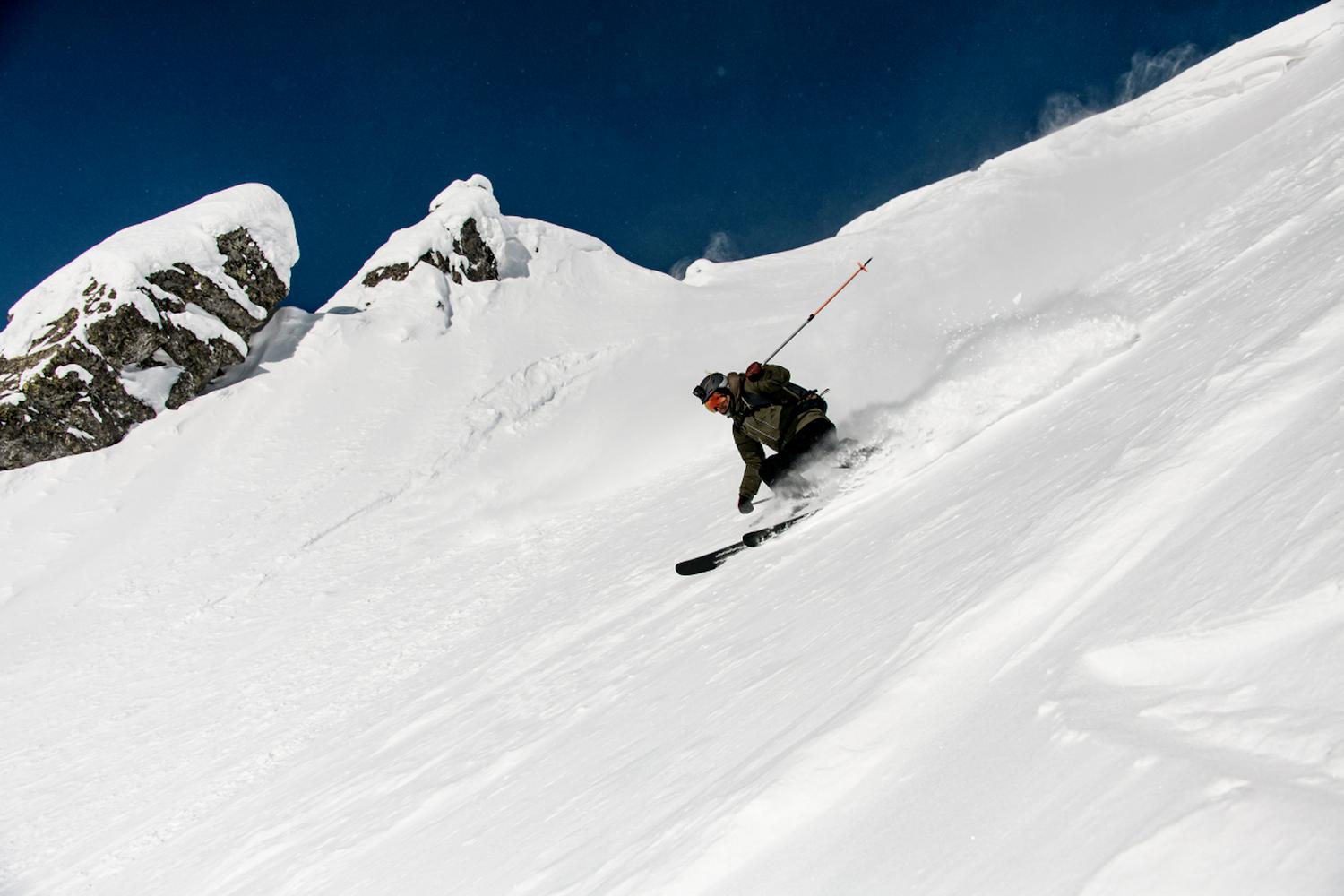
Quick baggage checklist
- Confirm sports-equipment allowance for every carrier on your ticket, not just the international one.
- Label ski and boot bags clearly with your name and phone number.
- Photograph gear before check-in in case of a delayed-baggage claim.
- Keep base layers, medication and chargers in your cabin bag.
Booking and Fare Strategy
Domestic Chinese fares fluctuate a lot, and the Urumqi sector is often cheaper when booked several weeks ahead. Where possible, book the international and domestic legs on a single ticket so the airline is responsible for protecting your connection if the first flight is late. Separate tickets can be cheaper, but a missed connection becomes your problem, not the airline’s.
Peak periods around Chinese public holidays and the heart of the ski season see both higher prices and fuller planes, so early booking matters most then. If your dates are flexible, shoulder-season flights can be noticeably cheaper. Factoring flight cost into your overall Xinjiang ski trip cost early on prevents surprises later.
Arrival, Transfers and the Last Mile
Once you land at Urumqi or a regional airport, the final stretch to the slopes is usually by road. Resort shuttles, pre-booked private transfers and long-distance coaches all serve the main ski areas. Confirm your ground transport before you fly, because arranging it on arrival in winter, sometimes late at night, is far harder. If you are heading to the far north, line up your onward transfer to match your flight into Altay or your overland route from Urumqi.
Keep some flexibility in your first-night plans. Snow, wind or a delayed regional hop can shift your arrival by hours, and a pre-paid non-refundable first night that you cannot reach only adds pressure. Many skiers book a refundable Urumqi hotel as a fallback in case the northern leg slips to the next morning.
Frequently Asked Questions
Which airport is best for skiing in Xinjiang?
Urumqi Diwopu International Airport (URC) is the main gateway and works for resorts near the capital. For the northern powder around Koktokay and Jiangjunshan, Altay Xuedu Airport (AAT) is closest, usually reached by a short connecting flight from Urumqi.
How early should I arrive for a winter connection in China?
Allow at least three hours to clear immigration, collect and re-check bags, and reach your domestic gate at your first Chinese hub. On the return, add a full day of buffer before any long-haul flight in case northern airports are delayed by snow.
Can I bring my own skis on domestic Chinese flights?
Yes. Most domestic carriers accept a ski bag as checked baggage, and many let a ski bag and boot bag count as one sports-equipment allowance. Confirm the exact weight and piece limits for each airline on your ticket before you travel.
Is it worth renting gear instead of flying with it?
For many visitors, yes. Renting at the resort avoids oversize baggage fees and the risk of delayed ski bags, and modern rental fleets in Xinjiang cover most ability levels. Flying with your own boots but renting skis is a popular middle-ground option.
What if my connecting flight to Altay is cancelled?
Keep an overland backup ready. If the regional hop is grounded by weather, a long-distance transfer or train from Urumqi can still get you north, though it takes longer. Booking a refundable Urumqi hotel gives you a safe place to regroup overnight.