

Flying is the default way into Xinjiang, but China’s rail network quietly offers a compelling alternative for skiers: high-speed trains sweep across the Gansu corridor into Urumqi, and an overnight sleeper rolls north through the Junggar Basin to Altay, the gateway to the region’s most famous powder. Trains sidestep the two problems that plague winter flying — fog delays and oversize-baggage fees — and they turn transit time into scenery. This guide covers every rail option relevant to a ski trip: routes, schedules, ticket booking as a foreigner, ski luggage rules, and the transfers that get you from station platform to chairlift. For the bigger planning picture, pair it with our full Xinjiang skiing guide.
The Rail Map for Skiers, Simplified
Three rail corridors matter for a ski traveler:
- The Lanzhou–Urumqi high-speed line (Lanxin HSR): Links eastern China to Urumqi at up to 250 km/h. From Lanzhou it takes roughly 11 hours; from Xi’an around 13–14 with a connection. This is the scenic overland route into the region.
- Urumqi–Altay overnight trains: Conventional sleepers covering about 640 km in 9–11 hours, typically departing Urumqi in the evening and arriving in Altay or Beitun early morning — perfectly timed for a transfer toward the northern resorts.
- Urumqi local connections: Short runs to Shihezi, Kuytun and Fukang that occasionally help with side trips, though most resort transfers from Urumqi go by road.
The key insight: rail gets you to hub cities, not to resorts. Every itinerary ends with a road leg, so plan the last mile before you book anything.
Route 1: High-Speed Rail into Urumqi
If you are already in China — Beijing, Xi’an, Chengdu, Shanghai — the HSR journey to Urumqi is long but genuinely pleasant. Second-class seats recline decently, dining cars serve hot food, and the Hexi Corridor scenery (snowy Qilian mountains, Gobi desert, wind farms stretching to the horizon) is a highlight in itself. Practical notes:
- Break the journey. Most travelers overnight in Lanzhou or Zhangye rather than riding 30+ hours from the east coast. Zhangye’s Danxia landform park is a worthy stop even under snow.
- Book 15 days ahead in peak season. January and Chinese New Year windows sell out. Foreigners can book on the official 12306 app or site with passport details, or via Trip.com with a small markup.
- Arrive at Urumqi station, not the airport. The high-speed station sits in the city’s north; taxis to downtown hotels take 20–30 minutes. From there, resort shuttles and drivers operate exactly as they do for flyers.
From Urumqi, the closest major ski area is the Nanshan zone about 70–90 minutes away by road. Our overview of where to ski in Xinjiang maps out which resorts pair best with an Urumqi base.
Route 2: The Overnight Sleeper to Altay
This is the train that matters most for powder hunters. The Urumqi–Altay line crosses the Junggar Basin overnight, and waking up to frost-covered steppe as the train approaches the Altay foothills is a proper travel moment. What to know:
- Classes: Soft sleeper (4-berth compartments, ~350–450 RMB) is worth the upgrade over hard sleeper (open 6-berth bays, ~230–300 RMB) if you want a door that closes and space for gear.
- Timing: Evening departures around 19:00–22:00 arrive between 06:00 and 08:00. You save a hotel night and a full travel day compared with the bus.
- Beitun vs Altay station: Some services terminate at Beitun, about an hour by road from Altay city and marginally closer to Burqin, the staging town for the Kanas area. Check which station your transfer driver expects.
- Onward travel: From Altay city, the ski areas of the region — including the world-class terrain near Hemu and Koktokay — require pre-arranged drivers of 2–4 hours. Winter buses exist but are infrequent and slow.
Skis and Snowboards on Chinese Trains
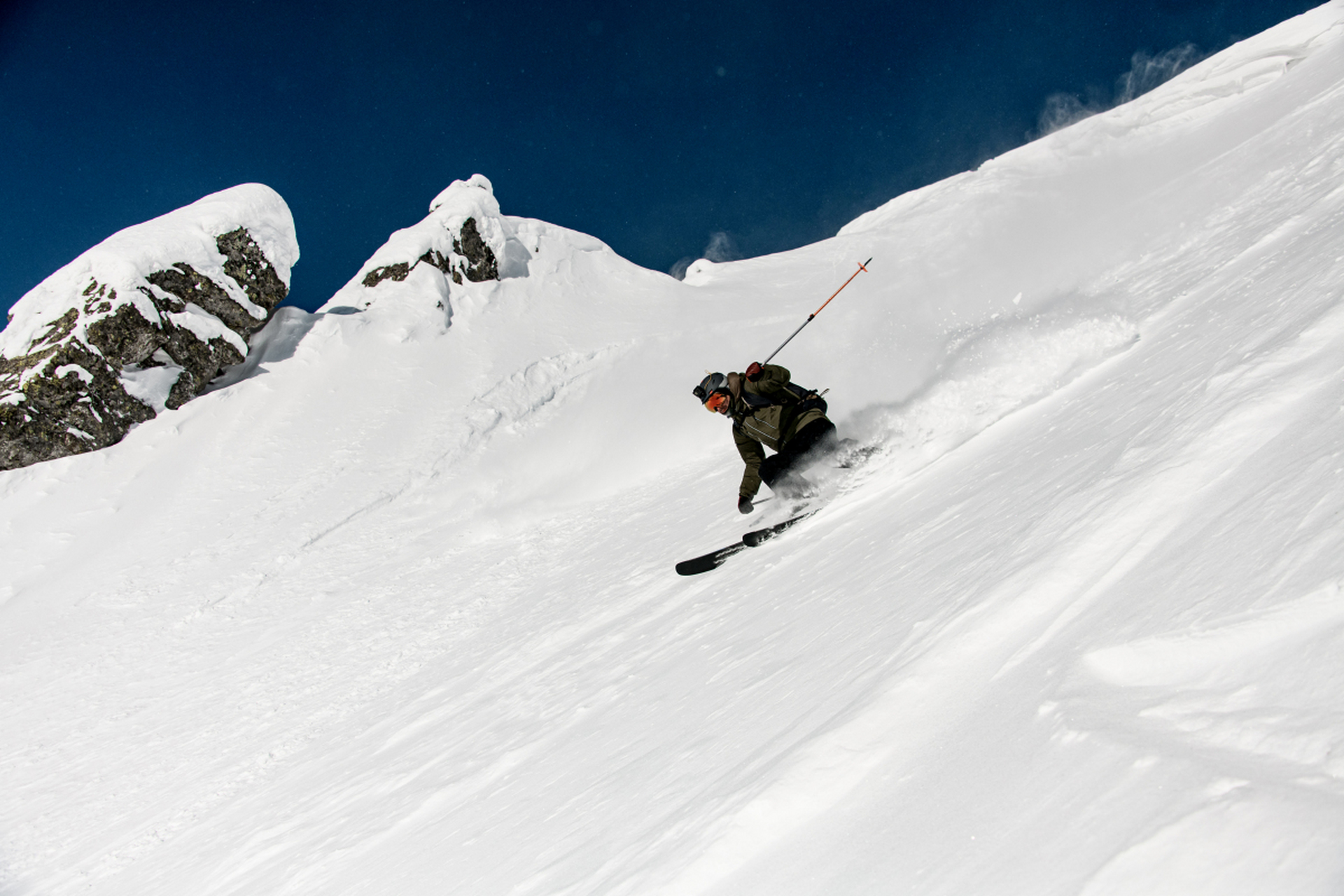
The question every skier asks first. The official rule allows luggage up to 130 cm combined dimensions on high-speed trains, which a ski bag technically exceeds — yet in practice, skis and snowboards in padded bags are routinely accepted on both HSR and conventional trains when they can be stowed safely. Field-tested advice:
- Use a soft padded bag, not a rigid coffin case; conductors are far more accommodating when the bag flexes into the luggage racks at carriage ends.
- Board early to claim the large luggage area behind the last row of seats or at the carriage vestibule.
- On sleepers, skis fit along the compartment wall in soft sleeper or under the bottom berth in hard sleeper.
- If you would rather not gamble, rent locally: gear quality at the major resorts is respectable, and our guide on whether to buy ski equipment in Xinjiang covers rental-versus-purchase economics in detail.
Train vs Plane: The Honest Comparison
- Cost: Rail wins. Urumqi–Altay by sleeper costs a third of a typical winter airfare, and there are no ski-bag fees.
- Time: Flying wins on paper (50 minutes vs 10 hours), but overnight trains erase the difference by moving you while you sleep.
- Reliability: Rail wins decisively in December and January, when fog and snow disrupt regional flights far more often than trains.
- Comfort with gear: A tie — planes make you pay for the bag, trains make you carry it.
Many experienced visitors fly one leg and rail the other, which also spreads risk. Longer routings that link Urumqi, Altay and the eastern deserts by rail work beautifully within a two-week frame; see our 14-day Xinjiang ski itinerary for a template. And if your legs need a break between transit days, a frozen-lake detour makes a fine intermission — here is how to plan a Tianchi Lake Xinjiang ski combo.
Booking Tickets as a Foreign Traveler
- 12306 (official): The app and website accept passport registration. Prices are face value; English interface exists but is occasionally clunky. Collect nothing — your passport is your ticket at the gate.
- Trip.com: Smoother English experience, modest service fee, solid customer support if trains are rescheduled.
- Station counters: Fine as a fallback, but winter queues in Urumqi can be long and English is limited.
Note that security screening at Xinjiang stations is thorough; arrive 60–90 minutes before departure with your passport handy, and keep power banks accessible for inspection.
Frequently Asked Questions
Is there a train directly to any Xinjiang ski resort?
No. Trains reach hub cities — Urumqi, Altay, Beitun — and all resorts require a final road transfer of one to four hours. Arrange drivers in advance in winter; taxis at small stations are scarce at dawn.
Can I bring a snowboard on the high-speed train to Urumqi?
In practice yes, in a padded soft bag stowed in the end-of-carriage luggage area. Rules cap dimensions at 130 cm combined, so acceptance is at staff discretion — board early, keep the bag tidy, and you will very rarely have an issue.
How long is the train from Urumqi to Altay?
Nine to eleven hours depending on the service, run as an overnight sleeper. Departing in the evening and arriving around sunrise makes it effectively a time-neutral way to travel while saving a hotel night.
Is winter train travel in Xinjiang reliable?
Very. Trains run through weather that grounds regional flights. Delays happen after extreme storms, but cancellations are rare compared with the Altay air route in midwinter.
Should I choose soft sleeper or hard sleeper for the Altay train?
Soft sleeper if budget allows: four berths, a lockable door, and room for ski bags. Hard sleeper is safe and sociable but open-plan, with less space for bulky winter gear.