

Most first-timers to western China underestimate one thing: the cold is a different order of magnitude from the Alps or Rockies. When you pack for a Xinjiang ski trip, you are preparing for a continental climate where the Altai can sit at minus 30°C and the air is so dry your lips crack by day two. Get the kit right and the cold becomes a non-issue; get it wrong and you will spend the week miserable. This checklist comes from several winters on the ground, and it pairs with our Xinjiang ski weather guide so you know exactly what you are dressing for before you zip the bag.
The Golden Rule: Layer, Do Not Bulk
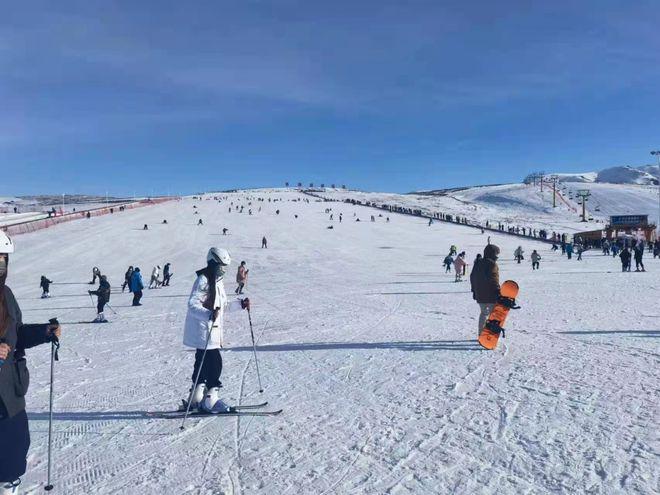
The single biggest packing mistake is one giant coat. Xinjiang’s dry cold is best beaten with three breathable layers you can add or shed: a moisture-wicking base (merino or synthetic, never cotton), an insulating mid-layer (fleece or light down), and a windproof, waterproof shell. Because you warm up fast on a chairlift climb and freeze on the descent, the ability to zip and unzip matters more than raw thickness. Pack two base layers so you always have a dry one — damp fabric is the fastest route to hypothermia on a cold day, and laundry turns slowly in remote mountain towns. Think of your luggage as a modular system, not a pile of clothes, and you will adapt to any temperature the region throws at you without buying a new wardrobe on arrival.
Upper Body: Jackets and Mid-Layers
- Shell jacket: waterproof rating of at least 10k, with a powder skirt and pit zips. Hoods that fit over a helmet are worth their weight in gold when the wind picks up on an exposed ridge.
- Insulated jacket: a second, warmer puffy for evenings, the airport, and minus-25 mornings. I bring both and wear the puffy under the shell on the coldest days in the north.
- Mid-layers: one heavy fleece and one light down vest covers almost every temperature swing between Urumqi and Altay.
- Base layers: two to three long-sleeve tops. Merino resists odour, which helps on multi-day trips with limited laundry access in the villages.
Resist the urge to over-pack tops. Three well-chosen layers outperform six random jumpers, and they weigh less besides, leaving room for the souvenirs you will inevitably buy at the markets later in the trip.
Lower Body: Pants and Socks
Insulated ski pants with reinforced cuffs are essential; the snow is deep and you will sit in it more than you expect. Bring a thin synthetic base-layer legging underneath rather than thick thermals, which bunch inside boots and cut circulation. For socks, pack several pairs of purpose-made ski socks (not hiking socks — they are too bulky and cause blisters). Change into dry socks at lunch; it is a small ritual that keeps feet warm all day and prevents the numb-toe misery that ruins an afternoon. A light pair of travel trousers for the evening in town rounds out the lower-body kit without adding much weight, and they double as the plane outfit for the long flight home.
Hands, Head and Face
Your extremities take the worst of the cold. Bring two pairs of gloves: thin liner gloves for fiddling with zips, phones and lift passes, and heavy insulated mitts for the mountain. A neck gaiter or balaclava that covers the face is not optional in January — windburn at minus 20 is genuinely painful and slow to heal. Add a warm beanie for off-slope, and a helmet, because rental helmets are not always to Western fit standards, so consider bringing your own. Goggles with a low-light lens matter because the Altai gets flat light after storms; a second lens for bluebird days is ideal, and a simple anti-fog cloth saves more mornings than you would think when the temperature gap between your face and the lens is twenty degrees.
Boots and Fit
If you own ski or board boots, bring them as carry-on to avoid airline damage and the agony of renting an ill-fitting pair. A boot bag with your personal liners saves time at the lodge and keeps the smelly stuff separate from clean clothes. Well-fitted boots are the difference between a great week and a painful one, and the rental fleets in the north are basic. If you must rent, book ahead through the Xinjiang ski equipment rental guide and arrive early on day one to hunt for the best pair, because the good boots go first on busy weekends and you do not want to discover that at the top of a chairlift.
Electronics and Power
Cold kills lithium batteries. Carry at least one spare phone and camera battery kept inside an inner pocket against your body, and a power bank for the day. A plug adapter for China (Type I) is required, and a small USB multi-port charger saves hotel-socket fights. If you plan to work or navigate, download offline maps and a translation app before you fly — connectivity in the mountain valleys is patchy. A dry bag or zip pouch keeps electronics away from snow when you set them down on a slope. These practicalities sit alongside the Xinjiang ski safety & altitude essentials, because dead batteries and cold hands are the most common small emergencies on the hill, and both are avoidable with a little planning.
Skis, Boards and Tuning
If you are picky about gear, bring your own. Boots travel best as carry-on, and a padded travel bag is worth the checked fee for skis or a board. Wax for cold, dry snow (a hard wax, not warm-weather paste) keeps skis fast; many travellers have their kit tuned before departure because cold-snow wax is not always available locally. If flying with a board or skis, a copy of your gear’s value helps at customs, and a luggage strap stops the bag opening mid-transit. Remember that Xinjiang skiing for beginners often starts on rental kit, so first-timers need not haul gear across the world, and can instead spend the baggage allowance on warm clothes that they will actually use every single day.
Skincare, Health and Small Comforts
The dryness that makes the powder so light is brutal on skin. Pack lip balm, a rich moisturiser, and nasal spray for the dry nights. Sunglasses and high-SPF sunscreen are needed even in deep winter — UV off snow at altitude is intense and a goggle-tan burn is easy to earn. A basic first-aid mini-kit (blister plasters, painkillers, stomach remedy) covers the gaps, and any personal medication should travel in your hand luggage with a copy of the prescription. Altitude affects some visitors, so read up on safety before you go, and carry a reusable bottle — heated lodges are dry and hydration fights altitude fatigue better than any pill, especially on the first two days when your body is still adjusting to the thinner air of the north.
Documents, Money and Misc
- Passport & visa: valid for six months, plus your Chinese visa and any regional permit for border areas near the mountains.
- Cash: small notes for base-lodge vendors that do not take cards or apps, and for the craft stalls at winter festivals.
- Travel insurance: winter-sport cover that includes mountain rescue and evacuation, which is non-negotiable for backcountry-adjacent riding.
- Reusable bottle: heated lodges are dry; hydration fights altitude fatigue and keeps you off the headache treadmill.
- Snacks: a few energy bars for long transfer days between the Altai and the Tianshan, where lunch stops are sparse.
- Hand warmers: chemical packs are a lifesaver on the coldest lifts and are hard to find locally once you arrive.
Regional Packing Differences
Pack slightly differently for the two regions. The Altai is colder and more remote, so add an extra warm layer, more hand warmers, and any comfort items (a favourite tea, a book) because evenings are quiet and the wind bites harder. The Tianshan around Urumqi is milder and more supplied, so you can top up missing items in the city malls if you forget something. The best time to ski in Xinjiang also tells you which months demand the heaviest kit — January needs everything in the bag, while March lets you drop a layer by midday as the sun strengthens and the snow softens underfoot.
What to Pack That You Wouldn’t Need in Europe
Three things stand out. First, a real down puffy rated below minus 20 — European “warm” jackets often fall short in the Altai, where the cold is drier and therefore sneakier. Second, chemical hand warmers; they are a lifesaver on the coldest lifts and hard to find locally. Third, a balaclava, because the wind chill on an exposed Tianshan ridge is sharper than most alpine resorts, and a bare face freezes in minutes. Beyond gear, the beginner guide has more first-timer logistics, and the best-time guide tells you which months demand the heaviest kit, so your bag matches the calendar rather than a generic “cold place” assumption that leaves you either overdressed in March or underdressed in January.
A Printable One-Bag Summary
If you want the shortest version: shell plus puffy, two base layers up and down, insulated pants, mitts and liner gloves, balaclava, helmet, goggles with a low-light lens, spare warm batteries, lip balm and moisturiser, visa and insurance, and hand warmers. That single list covers 95% of what the mountain throws at you. Everything else — skis, boards, lessons — can be arranged on the ground through the resort links above, so do not over-pack the bulky stuff unless you are particular about it, and leave room in the bag for the dried fruit and woollen hats you will inevitably buy at the markets on a rest day.
Frequently Asked Questions
Do I really need a minus-30 jacket?
For the Altai in January and February, yes. The Tianshan around Urumqi is milder, but a warm puffy is still essential for transfers and evenings when the wind gets up.
Should I bring my own skis or rent?
Rentals are cheap and decent; bring your own only if you are particular about fit or want specific powder skis. See the rental guide above.
Can I buy cold-weather gear in Xinjiang?
Urumqi has malls with decent local brands at low prices, but Western-size shells and quality gloves are limited — pack the essentials and top up locally if needed.
How do I keep my phone alive in the cold?
Carry a spare battery in an inner pocket, use a power bank, and keep the phone close to your body between shots. Cold shutdown is normal and reversible once warmed.
What about altitude sickness kit?
Most visitors are fine, but moisturiser, hydration, and a slow first day help. The safety guide above covers the symptoms to watch for before they become a problem.
Is a balaclava really necessary?
In deep winter, absolutely — it protects your face from windburn and frostbite on long, cold chairlift rides in the north where the wind has nothing to stop it.