

Spring skiing in Xinjiang is one of the region’s best-kept secrets. While most visitors picture deep winter powder and sub-zero cold, March brings longer days, softer light, and noticeably quieter slopes across the Altai and Tian Shan ranges. If you time your trip well, late-season skiing here can be just as rewarding as peak winter, often with fewer crowds, cheaper lift tickets, and the simple pleasure of skiing in a t-shirt by early afternoon. This guide covers what to expect from Xinjiang’s snow conditions in March, which resorts stay open, and practical tips to help you make the most of the spring corn. Whether you are a first-timer or a returning powder veteran, the tail end of the season deserves a place on your radar.
Why Ski Xinjiang in March?
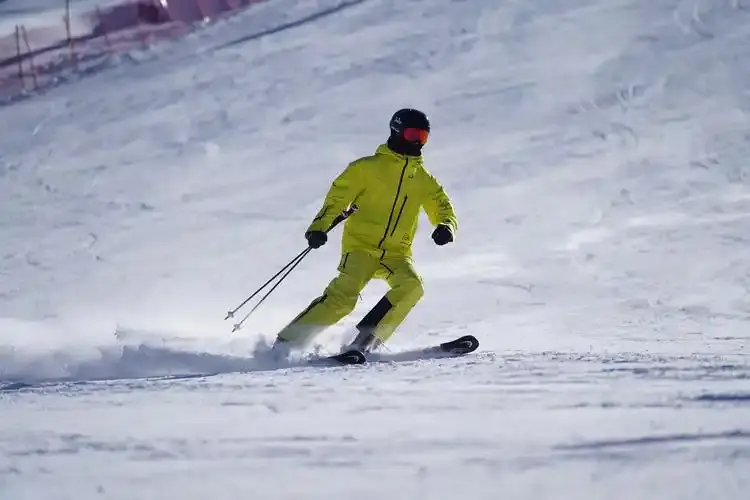
The appeal of a March trip is straightforward. Days are longer, so you get more daylight on the mountain and more time to explore off the slopes. Crowds thin out dramatically once the Chinese New Year holidays and the February rush are over. Prices for flights, hotels, and sometimes even lift passes tend to ease. And the snow, while different from January powder, is often ideal for relaxed carving and improving your technique without the biting cold.
Another underrated bonus is the light. Low-angle spring sun makes the mountains glow, photographs beautifully, and lets you actually see the terrain. For many skiers, March in Xinjiang feels less like a survival expedition and more like a holiday. You can ski hard in the morning and still have energy for a long lunch and an afternoon stroll through a nearby village.
For a broader picture of the region’s slopes, start with our Xinjiang skiing guide, which explains the main resort areas and how they differ by season.
What the Snow Is Like in Spring
By March, Xinjiang’s high resorts have accumulated a deep base from the winter, so coverage is rarely a problem. The daily rhythm changes: cold nights refreeze the surface into a firm crust, and as the sun climbs the top few centimetres soften into what skiers call corn snow. Ski early for grippy, fast conditions and later for buttery, easy turns. On a good corn day the snow is forgiving and playful, perfect for linking smooth arcs.
Lower and south-facing runs melt fastest and can get patchy by midday, while north-facing and higher terrain holds good snow much longer. This is exactly why the best time to ski Xinjiang depends on what kind of experience you want: March favours relaxed spring sessions over storm-chasing powder days. If you loved January’s storms, think of March as the mellow comedown rather than a replacement.
Best Resorts for Spring Skiing
Several of Xinjiang’s resorts keep lifts running well into March, and a few push toward April:
- Jiangjunshan (Altay) – The spiritual home of skiing in the region, Altay enjoys a long, dry season and reliable late snow. March days here are famously sunny, and the local ski culture is the deepest in China.
- Koktokay (Fuyun) – High altitude means a deep, durable base; it is one of the safest bets for late-season turns and offers dramatic alpine scenery.
- Silk Road Ski Resort (Urumqi) – Close to the capital and easy to reach, convenient for a short spring break with city comforts nearby.
- Beitun and smaller Altai hills – These close earliest, so treat them as February targets rather than March ones.
Our where to ski in Xinjiang overview ranks resorts by altitude and season length if you want to compare options side by side before booking.
Weather and Daylight in March
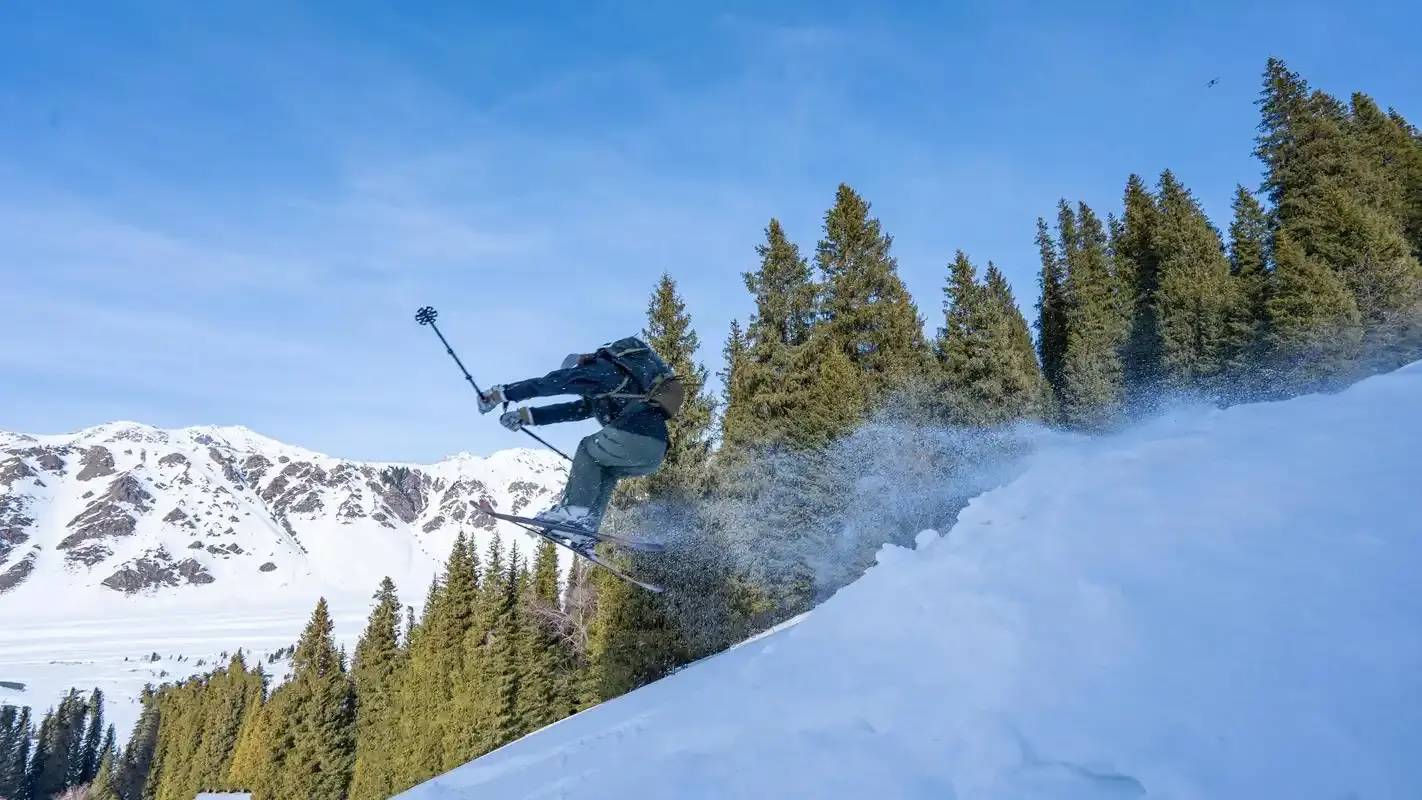
Expect big temperature swings. Mornings can still dip below freezing, while sheltered afternoon slopes climb toward 10°C or more. Bluebird days are common, but spring also brings the occasional dusting of fresh snow that briefly resets the surface. Daylight stretches past 7 pm by late March, giving you long, unhurried sessions and time to watch the sunset from the lift.
The seasonal shift is part of a wider pattern described in our Xinjiang ski season explainer, which breaks down month-by-month conditions across the main mountains. Reading it before you book helps you pick the resort most likely to be open and well-covered during your dates.
Gear and Clothing for Spring
Layering is everything in March. You want a light base layer, a versatile mid layer, and a shell you can open as the sun strengthens. Pack a small backpack for shedding layers, plus sunglasses or low-light goggles for glare off the bright snow. Sunscreen and lip balm are non-negotiable – the high-altitude UV is intense even when it feels mild, and reflections off snow double the exposure.
Consider lighter gloves than you would pack in January, and a breathable helmet liner. Many skiers swap heavy mittens for gloves by mid-March. If you are new to the region’s mountains, Xinjiang skiing for beginners covers rental basics and first-day planning so you arrive prepared.
Getting Around in March
Transport is easier in March than at peak holiday times, with fewer sold-out trains and flights. Altay and Urumqi both have airports, and resort shuttles run on a reduced but reliable spring schedule. Book your shuttle the day before, confirm the morning pickup, and build in a buffer in case a late snow shower slows the roads. Renting a car gives flexibility but demands winter-driving confidence on mountain passes.
Village Life and Food
One of the quiet joys of a March trip is the villages. With the crowds gone, you get a more authentic taste of local life: morning markets, steaming noodle houses, and evenings around a heater. Altay’s Kazakh and Mongol influences show up in hearty lamb dishes and dairy snacks that fuel a cold-start morning perfectly. A relaxed spring itinerary leaves room for these slow pleasures.
Tips for a Great Late-Season Trip
- Ski the mornings. The surface is best and firm before the afternoon softens it.
- Favour north and high terrain. These hold snow longest as the month warms.
- Book flexibly. Late-season weather is stable but not guaranteed; keep a buffer day.
- Embrace the apres. Warm afternoons are perfect for a slow lunch in the sun.
- Watch for closure dates. Smaller lifts and side runs shut first, so confirm before you travel.
- Carry water and sunglasses. Dry spring air and glare dehydrate you faster than you expect.
Adventurous skiers chasing deep late dumps should also read our notes on backcountry powder skiing in Xinjiang before heading beyond the marked runs, and always go with a local guide.
Frequently Asked Questions
Is March too late to ski in Xinjiang?
Not at all. March is a strong late-season window. High resorts keep a deep base, and you get sunny, quiet slopes. Only the lowest runs tend to close, so most terrain remains skiable into early April at the highest mountains.
Which Xinjiang resorts are open in March?
Jiangjunshan, Koktokay, and Silk Road Ski Resort are reliable March options, with Koktokay and the higher Altai slopes often running into early April. Always check exact closure dates before booking, as side lifts close before the main mountain.
How cold does it get when spring skiing in Xinjiang?
Mornings can still fall below freezing, but afternoons frequently reach 5–10°C on sunny slopes. Dress in layers so you can adjust as the day warms, and keep a shell handy for the occasional flurry.
Is spring skiing cheaper than winter?
Usually yes. After the February peak, flights and accommodation often drop in price, and some resorts offer reduced late-season lift rates. You also face far smaller crowds and shorter lift lines.
Can beginners ski in Xinjiang in March?
Absolutely. Soft, forgiving snow and quiet slopes are ideal for learning. Stick to morning sessions when the surface is firmer and take a lesson at a resort with English-speaking instructors to build confidence quickly.
What should I pack for March skiing?
Bring layers you can shed, a shell jacket, sunglasses, strong sunscreen, and lip balm. Pack a small daypack for removed clothing and keep goggles handy for the occasional spring snowfall. A refillable water bottle round out the essentials.