

Most visitors know Kuqa (库车) as the gateway to the Kucha Kingdom, a Silk Road hub whose Buddhist caves, desert forts and Uyghur old town have drawn travelers for more than a thousand years. What surprises many first-time visitors is that this warm, historically rich corner of southern Xinjiang has quietly become a genuine winter sports destination. Xinjiang’s ski resorts are usually associated with the northern mountains of Altay and Tianshan, but Kuqa proves that the south has its own snow season worth planning around. This guide walks through the city’s main ski and snow venues, the winter activities that blend sport with Kucha culture, and practical tips for building a ski trip on the southern edge of the region.
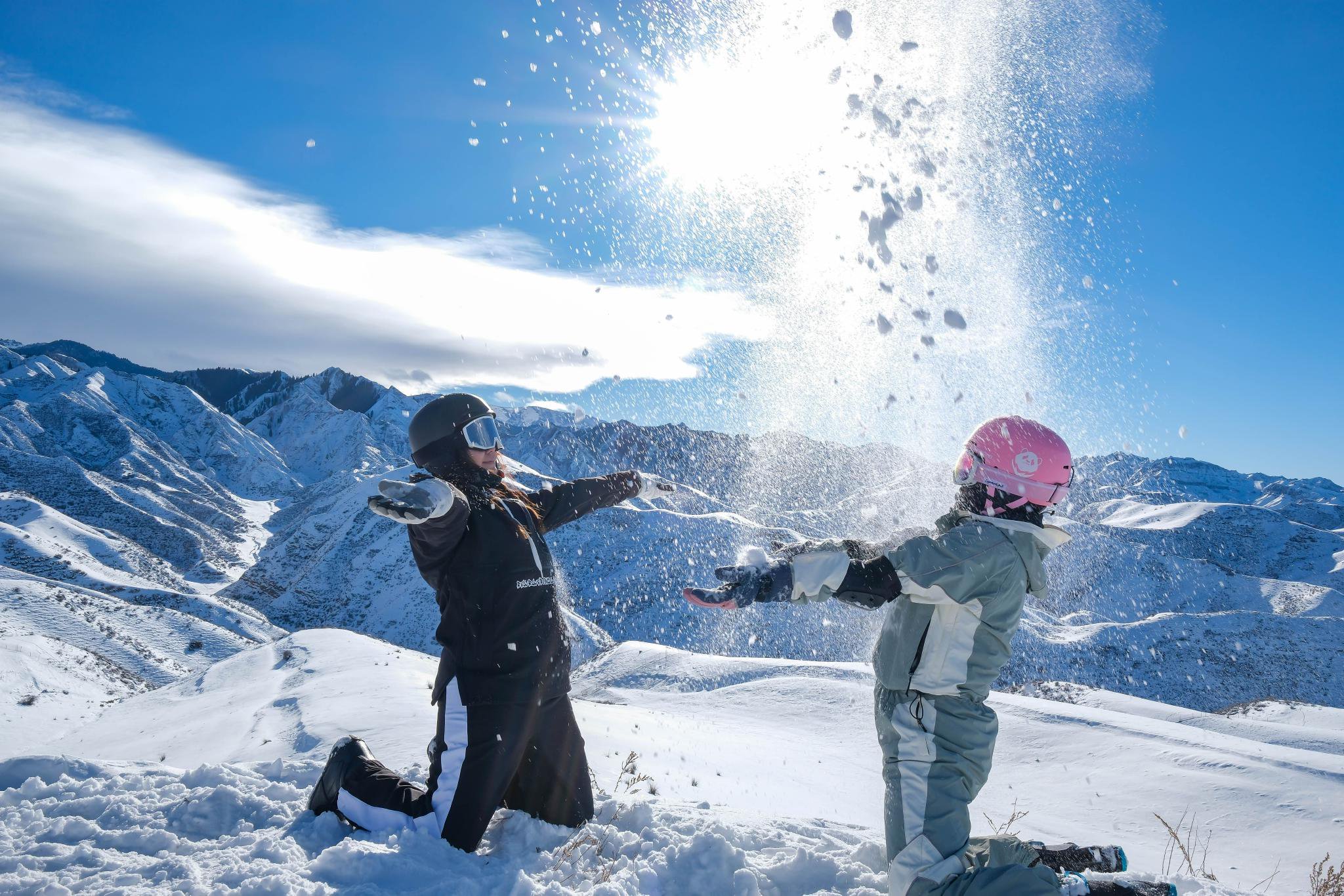
Where to ski in Xinjiang is no longer only a northern question, and Kuqa is one of the clearest examples of how the south is catching up.
Why Ski in Kuqa?
Kuqa sits in the Tarim Basin at the foot of the Tianshan, and while its winters are milder than Altay’s, the surrounding hills and the city’s investment in winter tourism have created dependable snow venues. The appeal is twofold. First, you get real ski slopes and snow parks without the long drives and higher prices of the famous northern resorts. Second, you can pair a morning on the snow with an afternoon exploring Aksu region ski culture and some of the most important heritage sites in Central Asia. For travelers who want more than powder, Kuqa delivers a rare combination of sport and history.
The best window for snow here aligns with the wider regional season. The best time to ski in Xinjiang generally runs from late December through early March, and Kuqa’s venues open and close within that same window, often kicking off in mid-December and running through March.
Wuzhou Ski Resort — Kuqa’s Main Alpine Venue
Wuzhou Ski Resort (五洲滑雪场) is the flagship downhill venue in the Kuqa area. It is built with three professional trails — advanced, intermediate and beginner — laid out along the hillside so that every level of skier has a dedicated line. The resort operates with around 500 sets of ski equipment, a figure that lets it comfortably host up to 500 visitors on a busy day, and it runs a fully equipped visitor service center where beginners can rent gear, book lessons and warm up between runs.
Wuzhou is the place to go if your goal is actual alpine skiing rather than gentle play. The beginner slope is forgiving enough for first-timers, while the intermediate and advanced trails give returning skiers real pitch to work with. Because the resort is inside the city’s winter tourism program, it is usually bundled with events such as snow-circle races, snow football and public ski competitions that make a visit feel like a festival rather than a quiet day on the hill.
Kuqa Old Town Snow Park (库车老城冰雪乐园)
For families and travelers who want snow without the commitment of a ski lesson, the Kuqa Old Town Snow Park is the standout option. Built along the Kuqa River using a “micro-renewal, light-touch” approach, the park weaves winter play into the fabric of the historic old town. It plans around 15 slides of varying difficulty and includes an 800-meter loop snow track, snow tubes, snow bikes, spinning snow rides, bumper cars on ice and snowmobiles.
What makes this venue special is the cultural layer. Instead of a generic snow park dropped into a field, the design borrows Kucha visual elements — the same motifs you will see in the old town’s architecture and museums — so the experience feels rooted in place. Xinjiang skiing guides rarely mention this kind of culturally embedded snow play, but for many visitors it is the most memorable part of a Kuqa winter.
Reisitan Ski Resort and Other Winter Spots
Beyond Wuzhou and the old-town park, Kuqa promotes a set of smaller winter venues and activities that round out the season. The Reisitan area (热斯坦) ties directly into the historic Reisitan cultural district, so you can ski or play in the morning and walk a living museum of Uyghur architecture in the afternoon. The city also designs three signature winter routes that link the Kuqa Prince’s Palace (库车王府), the Kucha Wei-Jin Tomb Murals Museum (龟兹魏晋遗址博物馆), the Subashi Buddhist ruins (苏巴什佛寺), the Reisitan historic street and the Twelve Muqam performing-arts venues.
Kucha Culture After the Slopes
A Kuqa ski day is only half the story. The city is one of the best places in Xinjiang to eat and explore after the snow melts off your boots. Local highlights include the famous Kuqa nan (库车大馕, a giant flatbread cooked in a tandoor), gangzi rou (缸子肉, meat stewed in individual crocks), and guo you rou bing mian (过油肉拌面). Evening performances of the Twelve Muqam and Kuqa Sanam dance bring the old town to life, and the Reisitan historic district is walkable, photogenic and full of small workshops where you can watch naan baking or instrument making.
Budget-minded travelers will appreciate that Kuqa’s winter season is comparatively affordable. The cost of a Xinjiang ski trip climbs quickly at the marquee northern resorts, but Kuqa’s city-run venues keep entry prices friendly, which makes it a smart choice for longer stays or for families skiing several days in a row.
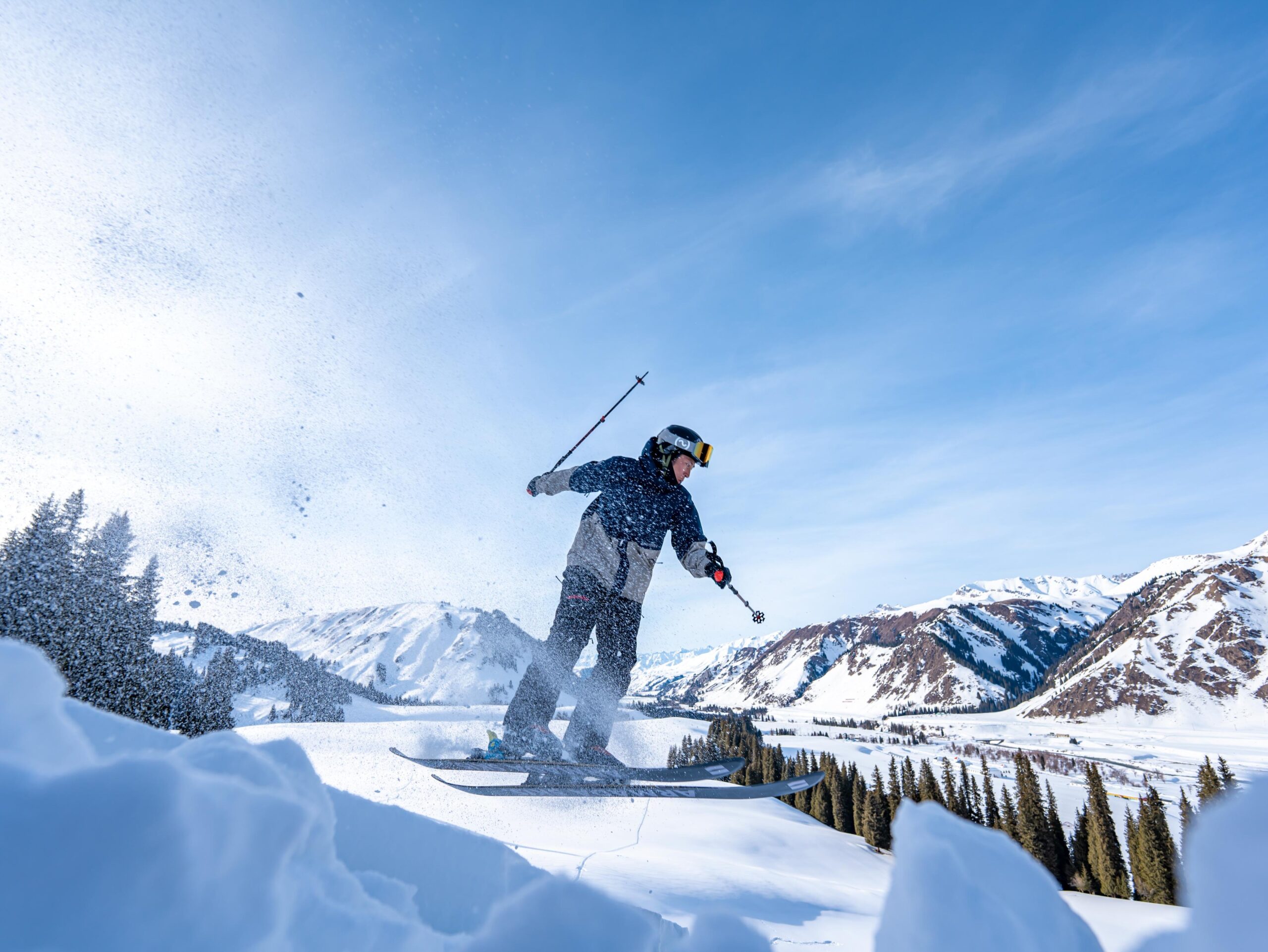
Planning Your Kuqa Ski Trip
Kuqa is reached by air and rail from Urumqi and connects easily into a wider southern-Xinjiang winter loop. Most visitors fly into Kuqa Qiuci Airport or take the train, then base themselves in the city and use taxis or organized winter-tour shuttles to reach the venues. Because the ski spots sit close to town, you can ski in the morning and still have the afternoon for heritage sites — a rhythm that is hard to match at remote mountain resorts.
If you want to extend the trip, pair Kuqa with the rest of the Aksu prefecture: Wensu’s Tianshan Tuofeng ski area, Baicheng’s Tiereke hot-spring ski resort and the seasonal ice parks of the smaller counties all sit within a comfortable drive. The wider Aksu ski network turns a single city visit into a multi-day southern Xinjiang snow tour.
Frequently Asked Questions
Is Kuqa a good place for beginner skiers?
Yes. Wuzhou Ski Resort has a dedicated beginner trail and a full equipment and lesson service center, and the Old Town Snow Park offers gentle, non-intimidating snow play that is ideal for first-timers and children.
When does the Kuqa ski season run?
Venues generally open in mid-December and operate through early March, in line with the regional Xinjiang ski season. Exact opening dates shift slightly each year with snow and temperature.
Can I combine skiing with cultural sightseeing?
Absolutely, and that is Kuqa’s biggest advantage. The ski venues sit close to the old town, the Kuqa Prince’s Palace, the Subashi ruins and the Reisitan historic district, so you can ski in the morning and explore heritage sites in the afternoon.
How does Kuqa compare in price to northern Xinjiang resorts?
Kuqa’s city-run winter venues are noticeably more affordable than the flagship Altay and Tianshan resorts, which makes it attractive for families and for multi-day trips.
What food should I try in Kuqa after skiing?
Don’t miss Kuqa nan (large tandoor flatbread), gangzi rou (crock-stewed meat) and guo you rou bing mian (fried-pork noodles). Evening Muqam and Sanam performances in the old town are also worth catching.