

After three winters skiing the resorts of Xinjiang, I keep coming back to one hill when I want to disappear into real powder: Cocoa Tuohai. This Cocoa Tuohai ski resort review is the honest, first-hand account I wish I had before my first visit — what the mountain actually feels like, where it punches above its weight, and the few rough edges you should know about. Tucked into a dramatic granite canyon in the Altai, Cocoa Tuohai (also written Keketuohai or Koktokay) holds the deepest snow in the region and, for my money, the most atmospheric setting of any hill in Xinjiang. It pairs naturally with the Xinjiang Ski Resorts directory if you are comparing hills, and it is the natural step up from the gentler Altai Jiangjunshan ski resort when you want more vertical and more solitude. The nearby Cocoa Tuohai ski resort profile covers the nuts and bolts of the layout.
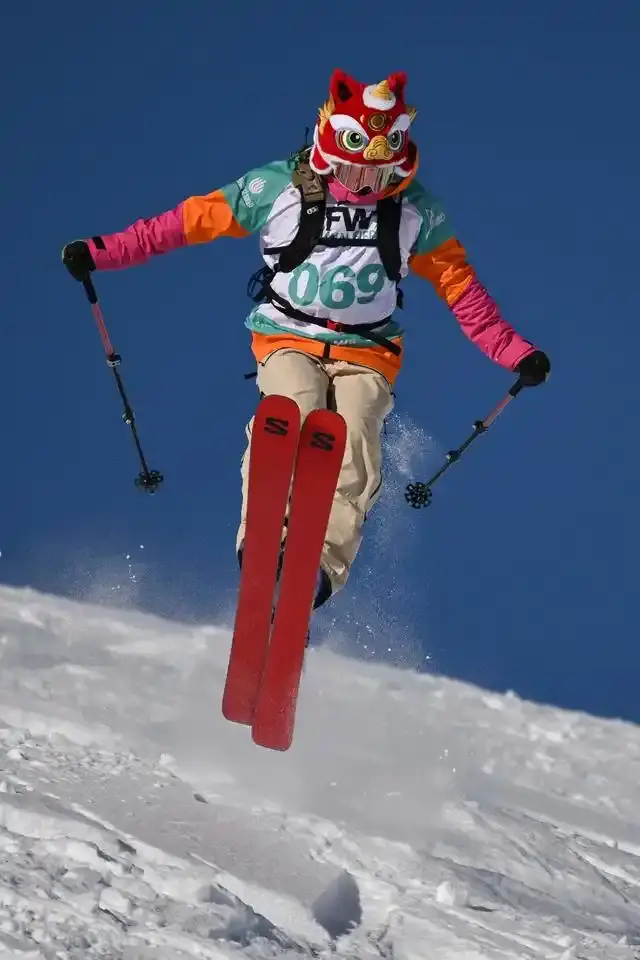
The Setting: A Canyon Resort
What makes Cocoa Tuohai unlike anywhere else I have skied in China is the terrain it sits in. The resort is carved into a narrow river canyon flanked by steep, snow-laden granite walls, and on a clear day the light bouncing off the rock and snow is almost surreal. The base village is small and functional — a cluster of heated lodges, a few canteens, and a rental counter rather than a glamorous alpine village — and that modesty is part of the charm. You come here for the mountain, not the marble. The silence is the other thing that stays with you: on a midweek morning the only sounds are your edges on the snow and the occasional clank of a lift.
First Impressions and the Base Village
My first morning at Cocoa Tuohai began in fog that lifted by ten to reveal the canyon walls in full. The base is compact and easy to read: one main plaza, the ticket office, rental, and a handful of food counters serving noodles, dumplings, and hot tea. There is no pretence of luxury, but everything works, it is warm, and the staff I met were genuinely friendly even with the language gap. If you have skied the Tianshan flagships near Urumqi, dial your expectations for amenities down a notch and your expectations for scenery and snow way up. That trade is the whole point of the drive north.
Slopes, Vertical and Layout
Cocoa Tuohai has the largest vertical drop of the Altai resorts, and you feel it the moment you ride up. The front face offers wide, cruisy boulevards that suit confident intermediates, while the side and back terrain steps up into steep tree lines and open faces where the snow piles into deep caches after a Siberian front. The lift network is modern but smaller than the Tianshan giants, so on a busy weekend you may wait a few minutes; midweek, you will often ride alone. Grooming is solid on the main pistes, but true to its character the resort keeps a lot of terrain natural. If you want perfectly corduroy everything, this is not your hill — if you want untracked snow a short hike from the lifts, it absolutely is.
Snow and Season
The snow is the headline act. Cocoa Tuohai sits high and cold in the Altai, so it collects the driest, deepest powder in Xinjiang — often waist-deep after a big storm. The season typically runs from early December into late March or early April, with January and February the reliable deep-snow months. If powder is your priority, this is the hill the best powder ski resort in Xinjiang comparison points to, and the snow quality comparison ranks it at the top for base depth and consistency. Even in a thin-snow year the altitude gives it an edge over the lower Tianshan hills.
A Typical Day on the Mountain
Deep winter here starts late. The sun clears the canyon rim after nine, so I ski the upper pitches late morning, break for laghman noodles and tea in the base canteen, then use the warmer, softer afternoon for a long groomer or a side-tree run. Because the lifts are few, a relaxed day still delivers plenty of vertical if you keep moving. Evenings are for a hot-spring soak if your lodge has one, a plate of dapanji, and an early night — the cold and the dark make early nights sensible, not a sacrifice. It is a slower rhythm than a European ski week, and that is most of the appeal.
Food, Lodging and Recovery
Do not expect fine dining. The base and the nearby town serve hearty, cheap northern Chinese food: hand-pulled noodles, big-plate chicken, mantou buns, and plenty of tea to keep you warm. Lodging ranges from simple heated rooms above the plaza to slightly plusher lodges a short shuttle away; book ahead in peak season because beds are limited and the resort is far from a big city. The local recovery ritual is the hot spring, and a soak after a powder day is the single best thing you can do for tired legs. Bring a translation app for menus, and keep some cash for the small vendors that do not take cards or payment apps.
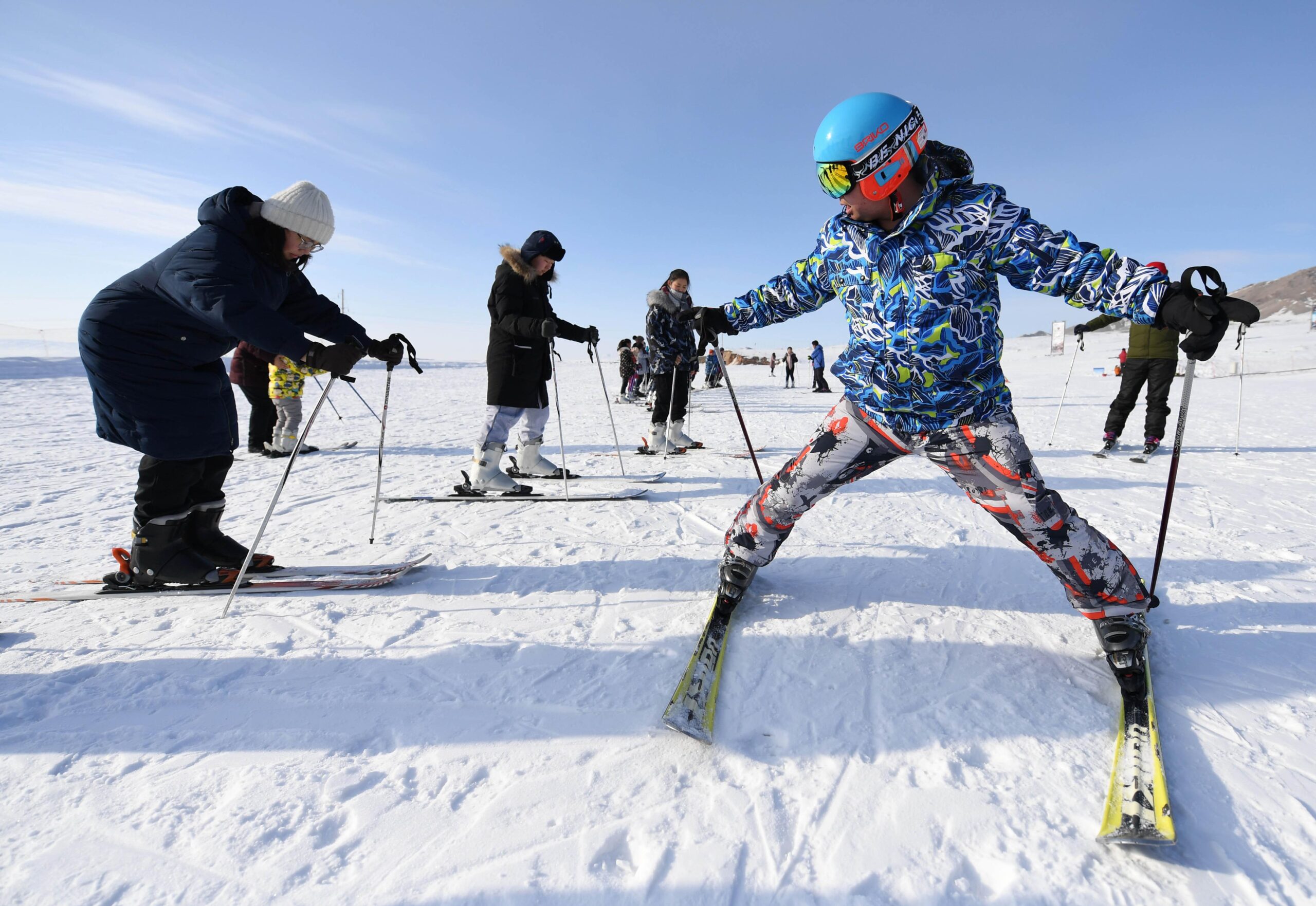
Off-Piste, Sidecountry and Safety
The terrain just beyond the marked runs is where Cocoa Tuohai earns its reputation. After fresh snow, the side trails and glades above the main face hold light, untracked powder within a short hike of the lifts — no expedition required. Stay inside resort boundaries and obey closure signs, because the backcountry beyond drops into unpatrolled, avalanche-prone terrain where altitude and weather turn serious fast. If you want to graduate from sidecountry to true backcountry, do it with a licensed guide, not solo. The resort’s ski-patrol presence is good on-piste but thin off it, so personal responsibility matters more here than at a crowded European resort.
Who Cocoa Tuohai Is For
- Powder hunters: the deepest, driest snow in the region, reliably so in January and February.
- Confident intermediates and experts: the steep side terrain rewards ability and punishes complacency.
- Scenery seekers: the canyon walls are genuinely unforgettable, especially in low winter light.
- Escape artists: far quieter than the Tianshan flagships on most days of the week.
Where It Falls Short
No review is honest without the downsides. English signage and instruction are thinner here than at the Urumqi hills, so pre-book a guide if you do not speak Chinese. The base village is modest — do not expect a spa or gourmet food. The drive from Altay city is longer than to Jiangjunshan, so it suits an overnight stay more than a quick day trip. And on the coldest weeks the canyon can trap temperature, making lift rides bracing if you are not layered properly. None of this is a deal-breaker, but it is the difference between a resort and a true mountain experience.
Getting There
Fly into Altay’s airport (regular winter flights from Urumqi), then drive a couple of hours south into the canyon — most visitors stay overnight rather than attempt a day trip. Taxis and pre-arranged transfers handle the last leg; self-driving in deep cold is possible but unnecessary. Once you are at the base, everything is walkable, so you can leave the car parked and just ski. Build the transfer into your plan rather than improvising, because weather on the mountain road can slow things down after a storm.
Tips From My Visits
- Ski midweek for empty lifts and the best light on the canyon walls.
- Book accommodation in advance in peak season — beds are limited and fill fast.
- Hire a local guide for the sidecountry after fresh snow; it unlocks the best lines safely.
- Pack real cold-weather gear; the canyon holds temperature longer than open valleys.
- Combine a Cocoa Tuohai stay with a Jiangjunshan day for contrast on one trip north.
- Keep a spare camera battery warm inside a pocket — the scenery is worth photographing and batteries die fast in the cold.
How Cocoa Tuohai Compares
Against Jiangjunshan it wins on vertical, scenery and snow, but loses on convenience and beginner-friendliness. Against the Tianshan flagships it wins on powder and crowds, but loses on English support and polish. Against Hemu it is more developed and easier to reach, but less of a cultural immersion. The honest summary: if deep snow and dramatic terrain are what you came for, Cocoa Tuohai is the best single hill in Xinjiang; if ease and instruction matter more, start at a Tianshan resort and save the canyon for when your legs are ready.
Frequently Asked Questions
Is Cocoa Tuohai good for beginners?
It has gentle front boulevards, but the resort’s character is intermediate-and-up. True beginners are better starting at Jiangjunshan or a Tianshan hill.
How do I get to Cocoa Tuohai?
Fly to Altay, then drive a couple of hours into the canyon. Most visitors stay overnight rather than day-trip from the city.
When is the best snow at Cocoa Tuohai?
January and February deliver the deepest, most reliable base. The snow quality comparison ranks it top for depth and consistency.
Is it crowded?
Far less than the Tianshan. Weekends see some lift queues; midweek is wonderfully quiet and often ski-alone empty.
Can I ski it without speaking Chinese?
Yes, but bring a translation app and consider a pre-booked guide for the off-piste terrain where signage thins out.