

Snow is the reason Xinjiang is climbing every serious skier’s list, but not all Xinjiang snow is the same. This Xinjiang ski resort snow quality comparison explains the single most important thing to understand before you book: the Altai and the Tianshan produce fundamentally different snow, and which you prefer decides where you go. The north delivers dry, deep powder; the east delivers reliable, groomed consistency. Both are in the Xinjiang Ski Resorts family, but they ski like different countries. For the deepest caches, the Cocoa Tuohai ski resort is the standout, while the Altai Jiangjunshan ski resort offers the same dry snow with far more convenience. The Tianchi ski resort shows the Tianshan alternative, and the best time to visit Xinjiang ski resorts guide maps when each type peaks.
Why Snow Quality Varies So Much
The driver is geography. The Altai sits at the far northwest, catching Siberian storms that dump light, dry snow with very little moisture — the same continental pattern that makes Hokkaido famous, but with fewer people. The Tianshan, around Urumqi, is drier still in the air but warmer and more variable, so resorts there invest heavily in snowmaking to guarantee a base. The result: Altai snow is naturally deeper and lighter; Tianshan snow is more engineered but more predictable. Neither is “better” in the abstract — it depends on whether you prize untracked powder or a guaranteed corduroy morning.
Altai: The Powder Heartland
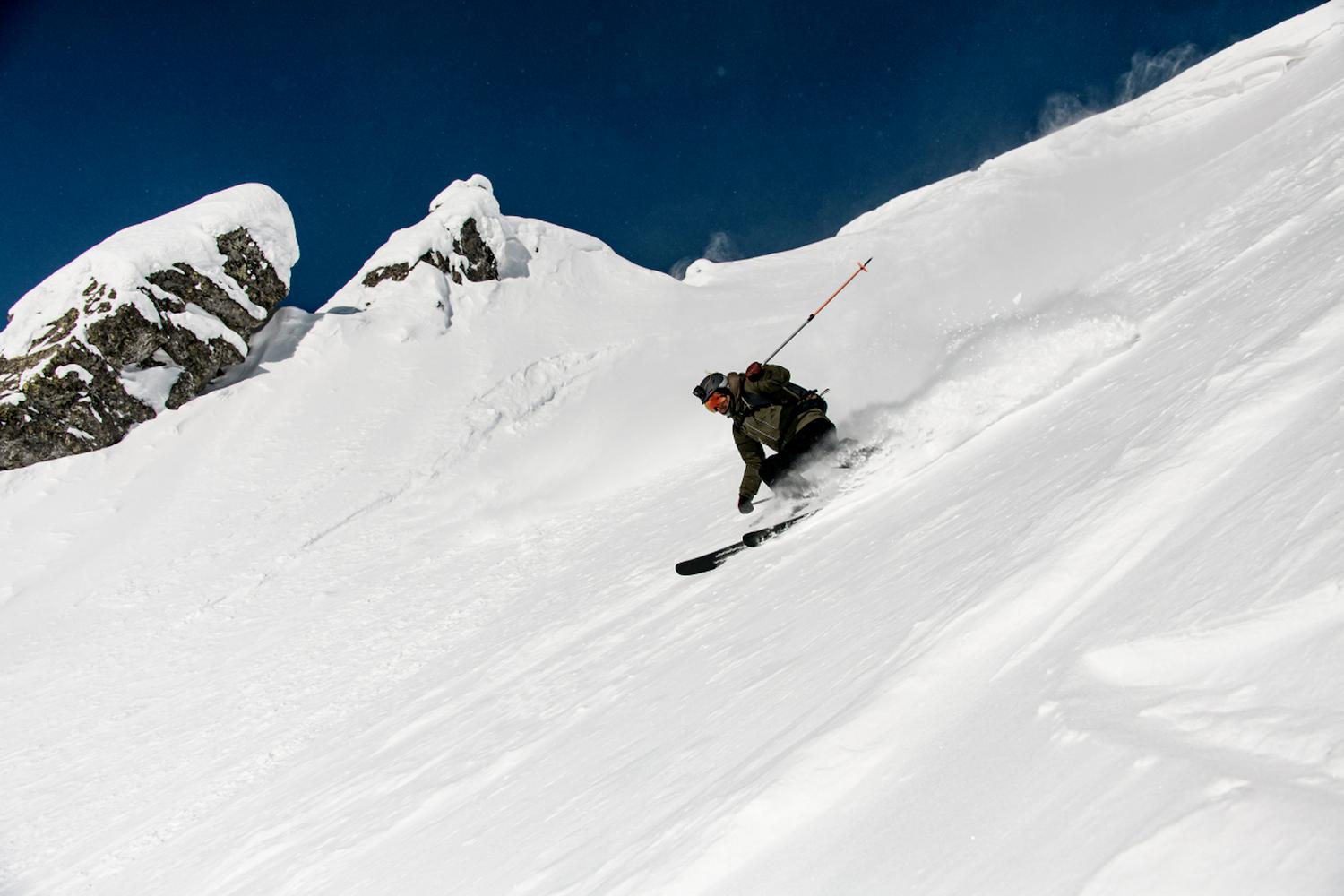
Across the Altai cluster — Jiangjunshan, Cocoa Tuohai, and Hemu — the snow is the region’s signature. After a Siberian front the caches can be waist-deep, squeaky-dry, and untouched a short hike from the lifts. Base depth builds earliest at the higher hills (Cocoa Tuohai especially) and lasts longest into spring because the air stays cold. The trade is exposure: the north can hit minus 30°C, and storms briefly close lifts on the most exposed faces. For pure snow quality, this is where Xinjiang wins, and where the best powder ski resort in Xinjiang title is decided by this northern snow.
Tianshan: Consistency by Design
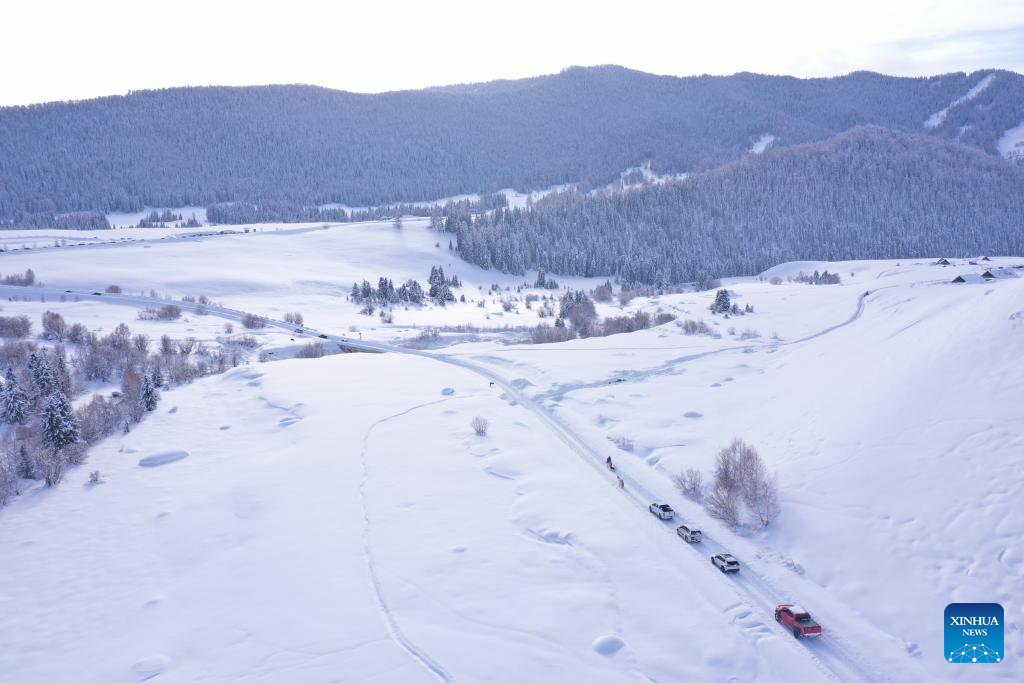
The Tianshan resorts — Silk Road, Tianchi, Sun Mountain — cannot always match Altai’s natural depth, but they rarely disappoint. Extensive snowmaking keeps a thick, skiable base from opening to close, and the grooming is immaculate. The snow is a touch heavier and the season a touch more weather-dependent up high, but for a visitor who just wants to ski without gambling on a storm, the Tianshan is the lower-risk choice. It is also where English signage and instruction are strongest, which matters if snow quality is not your only priority.
Base Depth and Season Length
On base depth, the ranking is roughly Cocoa Tuohai and Hemu at the top, Jiangjunshan next (close to town, slightly lower), then the Tianshan flagships kept fat by snowmaking. On season length, the Altai holds snow longest because it stays colder, while the Tianshan opens earlier and closes on schedule thanks to the guns. The practical upshot: if you ski in January–February, both clusters deliver; if you ski the shoulders (late November or March–April), pick by what you need — early reliability (Tianshan) or late-depth (Altai).
Dryness, Texture and “Feel”
Dryness is the metric powder skiers care about most, and here the Altai is clearly ahead. Its snow floats rather than packs, turns easier, and does not ball up on your skis the way heavier snow does. The Tianshan’s snowmade base is denser and more uniform — great for carving, less magical in the trees. After a natural Tianshan storm you can get good light snow too, but it is the exception rather than the rule. If “champagne powder” is the goal, north is the answer; if “perfect groomers every morning” is the goal, east is.
How the Resorts Stack Up
- Cocoa Tuohai: deepest natural base, driest snow, longest alpine season — the powder benchmark.
- Hemu: similar snow to Cocoa Tuohai with a village atmosphere and more backcountry access.
- Jiangjunshan: Altai dryness, slightly lower base, but the most convenient snow in the north.
- Silk Road: best snowmaking and grooming of the Tianshan; reliable, carve-friendly.
- Tianchi: consistent snowmade base with the best view; gentler, scenic snow.
- Sun Mountain: quiet, family-paced Tianshan snow; dependable but modest.
Matching Snow to Your Ability
Beginners and families benefit most from the Tianshan’s predictable, groomed snow — fewer surprises, warmer microclimate, easier falls. Intermediates and experts get more from Altai powder, where the terrain and snow together create the memorable lines. If you are a powder novice, the Altai is still wonderful but ski it after a storm with a guide; the Tianshan lets you build confidence on dependable surfaces. Either way, snow quality should drive the cluster choice before anything else does.
When Snow Quality Peaks
Natural snow quality peaks in January and February across both clusters, with the Altai at its driest and deepest then. The Tianshan’s manufactured base is strongest mid-season too, after weeks of gunning. March softens everything as temperatures rise, which is lovely for cruising but ends the powder window in the north. April is spring snow only, at the highest resorts. The best time to visit Xinjiang ski resorts guide lines these windows up month by month.
Altitude’s Effect on Snow
Altitude is the quiet variable behind every comparison above. Higher resorts — Cocoa Tuohai, Hemu, and the upper Tianshan pitches — stay colder, so their snow stays drier and lasts longer, while lower base areas warm and soften first. This is why the same storm produces bottomless powder up high and heavy mush near the car park. It also explains the regional split: the Altai’s altitude and latitude combine to keep snow in premium condition deep into spring, whereas lower Tianshan slopes rely on snowmaking to compensate. When you read a snow report, check the altitude of the terrain you actually plan to ski, not just the resort’s headline number, and you will set better expectations.
Storms, Wind and Snow Quality
Not every storm helps. A heavy, warm front can drop wet snow even in the Altai, and high wind on exposed Tianshan ridges can scrape slopes bare on the tops while leaving the sheltered trees full. The best powder days follow cold, dry Siberian pushes, not the big wet systems. After any storm, the sheltered glades and the lee sides of the hills hold the best snow, while windward faces may be scraped or crusted. Learning to read this — and to pick the right aspect for the day’s weather — is the difference between a good Xinjiang ski day and a great one, and it matters more here than at a fully manicured European resort.
Frequently Asked Questions
Which Xinjiang resort has the best snow?
Cocoa Tuohai, for deepest natural base and driest powder; the Tianshan flagships win on reliable, groomed consistency.
Is Altai snow really like Hokkaido?
Similar dryness and lightness, with far fewer crowds — the main difference is colder temperatures and less English support.
Does snowmaking make Tianshan snow worse?
Not worse, just different: denser and more uniform, excellent for carving, less powdery than the Altai after a storm.
When is snow deepest in Xinjiang?
January and February, especially in the Altai. The best-time guide maps the exact windows by cluster.
Can I get good powder at a Tianshan resort?
Occasionally after a natural storm, but for reliable powder the Altai is the safer bet every time.