

China has quietly become one of Asia’s most exciting ski destinations, and international visitors are arriving in growing numbers. Whether you’re based in the region for work or flying in for a winter holiday, skiing in China is far more accessible than many travelers expect. This guide covers the practical side of a China ski trip for foreigners: where to go, how to handle visas and payments, what to expect from lessons, and how to get around once you’re there.
Is China Friendly to Foreign Skiers?
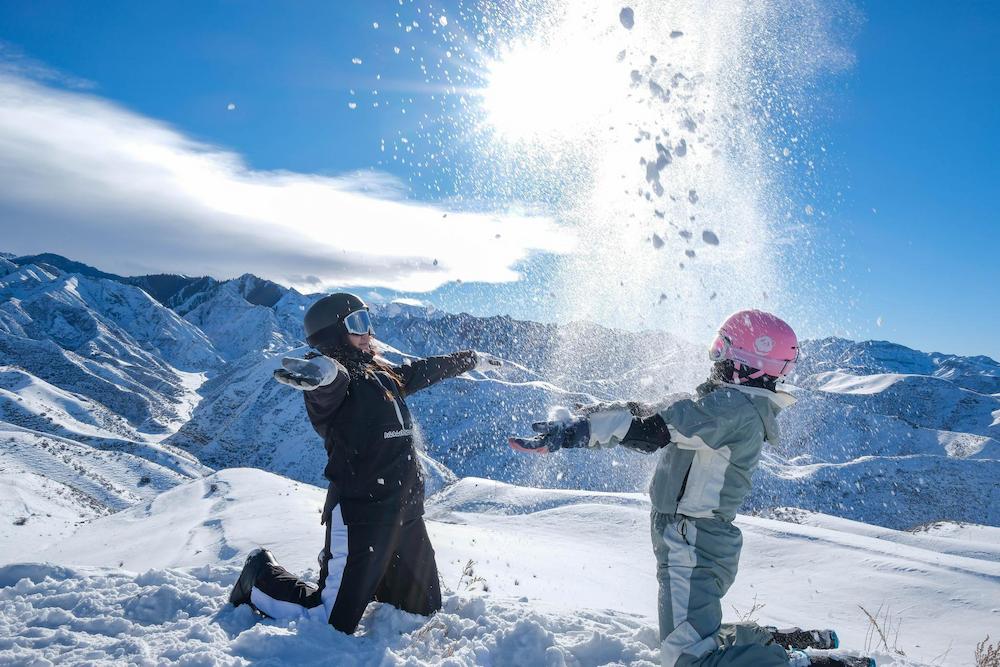
Short answer: yes, and getting better every season. The resorts that attract international guests — around Beijing, Zhangjiakou, Harbin, and in Xinjiang — have English signage, foreigner-friendly hotels, and ski schools with English-speaking instructors. Staff at rental shops are used to first-time visitors, and major resorts accept international payment cards and mobile payment setups that work with foreign cards. Language is rarely a real barrier, especially if you keep a translation app handy for menus and taxis.
Visas and Paperwork
Most visitors need a visa before arrival, though some nationalities qualify for transit or regional visa-free programs that can cover a short ski trip. The foreigner visa China ski process is straightforward if you apply through a Chinese embassy with your itinerary and hotel bookings. Allow at least two weeks for standard processing. If you plan to ski in Xinjiang specifically, note that the region has its own entry considerations, so confirm current rules when you book flights.
Getting to the Resorts
China’s high-speed rail network makes the Beijing and Hebei resorts remarkably easy to reach without a car. For the northeast and Xinjiang, domestic flights connect efficiently from major hubs. A transport China ski resorts plan usually means flying into a hub city, then taking a train or pre-booked shuttle to the mountain. Resorts increasingly offer direct transfers from nearby airports, which removes the guesswork for first-time international guests.
Beijing and Hebei
High-speed trains from Beijing to Zhangjiakou take well under two hours, and shuttle buses bridge the final gap to the resorts. This is the easiest logistics chain in the country for a foreign visitor.
Heilongjiang and Jilin
Fly into Harbin or Changchun, then use a resort transfer or regional train. The cold is serious, so pack for minus-twenty conditions and plan indoor breaks.
Xinjiang
Fly into Urumqi, then transfer to Altay or other ski areas. The journey is longer but rewards you with dry powder and open slopes that feel world-class.
When to Plan Your Trip
The China ski season generally runs from late November to March, with the deepest, most reliable snow in January and February. Those peak months also bring the biggest crowds and highest prices, so consider a December or early-March trip for a calmer experience. Spring skiing in March can be excellent in the far west, where sunny days keep the snow soft without the holiday crowds.
Lessons and Language Support
International visitors consistently report that English instruction is available at the top resorts, particularly for private lessons. Group lessons are cheaper and social, but if you want to maximize a short trip, a private English-speaking instructor accelerates learning fast. Book ahead during holidays, as good instructors fill up quickly. Don’t be shy about requesting an English-speaking guide when you reserve — resorts are used to the request.
Money, Apps, and Connectivity
Set up a payment method that works in China before you fly; international cards are accepted at major resorts and hotels, but small vendors and taxis prefer mobile payment. A local SIM or eSIM keeps maps and translation working on the mountain. Download an offline map of your resort area in case signal drops at altitude. These small preparations remove most of the friction that first-time foreign skiers worry about.
Etiquette and On-Mountain Culture
Chinese slopes are friendly and family-oriented. Yield to skiers below you, don’t stop in the middle of a trail, and be patient in lift lines — politeness goes a long way and is appreciated everywhere. Resort staff are generally happy to help foreigners and will often go out of their way to make sure you’re comfortable, so don’t hesitate to ask.
Choosing Between Resort Regions
If convenience matters most, the Beijing–Zhangjiakou corridor is unbeatable: short transfers, strong infrastructure, and plenty of English support. If you want a classic winter wonderland with festivals and deep cold, the northeast delivers. And if your priority is empty slopes and spectacular scenery, Xinjiang is the answer. There is no single “best” choice — the right region depends on your timeframe, budget, and appetite for adventure, and many visitors end up returning to try a different one each year.
Pairing China With Xinjiang
Many foreign skiers start with a Beijing-area resort and then add a leg in beginner China ski resorts out west for a completely different landscape. Xinjiang offers long, sunny days, light dry powder, and far fewer crowds, making it a memorable capstone to a China ski trip. Combining the two regions gives you both convenience and adventure in a single winter holiday.
Staying Safe and Healthy
Skiing is a physical sport, and a few habits keep your trip incident-free. Warm up before your first run, hydrate throughout the day even when it’s cold, and respect the altitude if you’re in Xinjiang or the northeast, where resorts sit well above sea level. Travel insurance that covers winter sports is worth buying before you fly, and knowing the location of the resort clinic saves panic if someone in your group twists a knee. Most large resorts have on-site medical staff during operating hours, so help is close when you need it.
Best Resorts for Foreigners by Experience Level
New skiers should start at the Beijing–Zhangjiakou resorts for the easiest logistics and strongest English support. Confident intermediates who want bigger terrain and colder snow will enjoy the northeast, especially around Harbin and Yabuli. And adventurous skiers chasing powder and empty lifts should put Xinjiang at the top of the list. Matching the region to your ability keeps the trip fun rather than frustrating, and it’s easy to progress to a more challenging area on a return visit.
Frequently Asked Questions
Can I rent everything I need as a foreigner?
Yes. Full rental packages — skis, boots, helmet, and poles — are available at every major resort, and clothing rental is common too. You can arrive with just a suitcase and be on the snow the same day.
Do resorts accept international credit cards?
Most large resorts, hotels, and lift-ticket desks accept international cards, and mobile payment can be linked to foreign cards at major providers. Carry some cash for small vendors and rural transfers just in case.
Is it easy to find English ski instruction?
At the top destinations, yes. Private English-speaking lessons are widely available, and group classes often have English-capable coaches. Book early during peak season to secure a spot.
How cold does it get, and how should I prepare?
Northern and western resorts can drop to minus twenty or lower. Dress in layers, cover extremities, and take indoor breaks. Resorts sell and rent quality cold-weather gear if you need it.
Is Xinjiang open to foreign tourists for skiing?
Yes, foreign tourists can ski in Xinjiang, though entry rules and any permit requirements should be confirmed when you book, since regional policies can change. Plan transfers in advance for the longer journey.
How long should I plan for a first China ski trip?
A long weekend works for a taste, but five to seven days lets you ski multiple resorts or add a second region like Xinjiang. Build in rest days, especially if you’re not used to the cold or altitude.