

Once groomed runs lose their appeal, the untracked snow beyond the boundary rope starts calling. Xinjiang is one of the few places in Asia where a competent skier can find genuinely remote, deep, dry powder within reach of a lift or a short drive. But off-piste and backcountry skiing carry real risks that resort skiing does not. This introduction explains the vocabulary, the terrain, the hazards and the preparation you need before you leave the piste for the first time, so you can explore safely rather than recklessly.
Read this alongside our Xinjiang Ski Resorts overview to understand where lift-served off-piste access exists and which areas welcome sidecountry skiers.
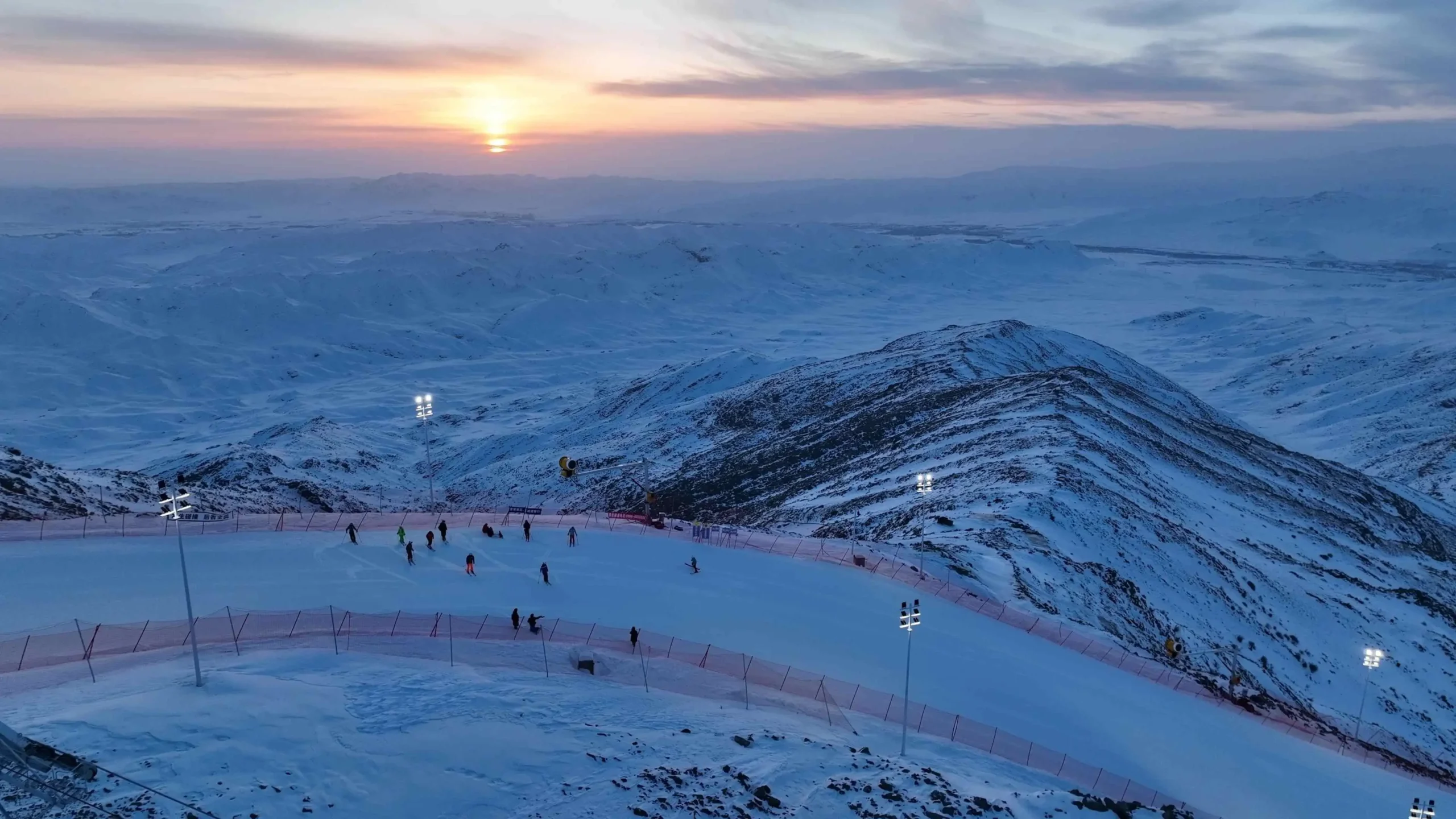
Off-Piste vs Backcountry: Know the Difference
The terms get used interchangeably, but they describe very different risk profiles, and confusing them is dangerous.
Off-piste (in-bounds)
Snow outside the groomed markers but still inside the resort boundary. Patrolled, sometimes avalanche-controlled, and reachable by lift. This is the right place to build skills before anything more serious.
Backcountry (out-of-bounds)
Terrain beyond the resort boundary with no patrol, no control and no rescue infrastructure. Requires self-sufficiency, navigation and avalanche training. Never attempt it without proper instruction, partners and equipment.
Why Xinjiang Suits the Transition
Xinjiang’s climate produces the light, dry snow that makes off-piste skiing so rewarding. The northern areas, especially around Altay, receive heavy natural snowfall that stays cold and fluffy for days. Our guide to where to ski in Xinjiang maps the regions and notes which offer sidecountry access from the lifts and which demand a longer approach on foot or skin.
Essential Gear Before You Go Further
- Avalanche transceiver, probe and shovel. Non-negotiable for any backcountry travel, and increasingly expected even for some in-bounds off-piste routes.
- Airbag pack. Reduces burial depth in a slide; worth it for regular sidecountry use and mandatory for serious terrain.
- Appropriate skis. Wider, floaty skis help in deep snow; many resorts rent powder-specific models for the day.
- Navigation and communication. Offline maps, a fully charged phone in a warm pouch, and a plan shared with someone off the mountain.
- Repair and emergency kit. Spare skins, a ski strap, tape and a bivvy bag turn a minor failure into a manageable walk-out.
Comfort with resort gear is a prerequisite. Our notes on snowmaking in Xinjiang explain how machine-groomed bases differ from natural snow, which matters the moment you step off the edge into ungroomed terrain.
Understand the Hazards
Avalanche
The dominant backcountry killer. Take a recognised avalanche course before travelling out of bounds. Learn to read slope angle, aspect, recent snowfall and wind loading, and practise decision-making until it is instinctive rather than academic.
Terrain traps
Gullies, cliffs and tree wells catch falls and bury skiers. Always scout the run from below or with a partner who can see the entire line before you commit to it.
Weather and cold
Xinjiang’s wind and temperature swings are severe. Whiteouts arrive fast and disorientation is easy. Carry extra layers, know your turnaround time, and retreat early rather than late when conditions close in.
Crowds and etiquette
Even off-piste, popular sidecountry zones get busy on weekends. Our guide to avoiding crowds applies off the groomed runs too: arrive early, spread out, and avoid the obvious pack-followed lines.
Reading Snow and Snowpack
Off-piste skiing is as much about the surface as the turn. Learn to identify wind crust, sun-affected slush, breakable crust and settled powder by feel and sight. After fresh snow, watch for storm slabs on lee slopes. Understanding the snowpack turns a blind gamble into a series of informed choices, and it is a skill that compounds with every day you spend outside the ropes.
Build Skills Step by Step
- Ski all resort black runs confidently before leaving the piste.
- Take a resort off-piste clinic with a certified guide.
- Practise companion rescue with transceiver, probe and shovel regularly until it is automatic.
- Do your first sidecountry runs with a guide, not alone.
- Only then consider fully out-of-bounds backcountry, with full training and a trusted partner.
Partner Systems and Communication
Never travel alone in uncontrolled terrain. Use the buddy system with a clear plan: who leads, how far apart you ski, where you regroup, and what to do if someone does not appear. Agree on a turnaround time and a weather-abort rule before you start. Good communication prevents most off-piste incidents before they begin and makes the rest survivable.
Logistics and Booking
Guided off-piste days can be arranged through resorts or independent operators, and booking ahead is wise in peak season. Our online booking guide covers how to secure lessons, guides and passes. For a broader China context, the China Skiing Guide compares regions and helps you decide whether Xinjiang or another province suits your off-piste ambitions this year.
Environmental Responsibility
Untracked areas are fragile and increasingly visited. Stick to established approaches, pack out everything you bring, and avoid damaging vegetation or disturbing wildlife on the climb. Leave the snow as clean as you found it so the next skier earns the same quiet reward. Skinning up a closed road rather than cutting a new line protects both the slope and your standing with local operators, who control the access you depend on.
When to Move Beyond Xinjiang
Xinjiang is a superb off-piste classroom, but once you have guided sidecountry experience here, you may want bigger objectives elsewhere. Compare what you learned with conditions in other Chinese provinces before committing to a remote trip, and keep building avalanche and navigation skills every season. Competence compounds, and the safest expert is the one who never stops training.
Frequently Asked Questions
Is off-piste skiing allowed at Xinjiang resorts?
Many resorts permit in-bounds off-piste and some offer guided sidecountry access, but rules vary and boundaries are enforced. Always check the resort’s current policy and respect closed areas; ignore them and you risk fines, pass revocation or worse.
Do I need avalanche training for in-bounds off-piste?
Not legally for patrolled terrain, but a basic avalanche awareness course is strongly recommended before you ski anything ungroomed. For any out-of-bounds travel, full training and regular practice are essential rather than optional.
Which part of Xinjiang is best for powder?
The northern areas around Altay receive the deepest, coldest natural snow and are the spiritual home of Xinjiang powder skiing. Our regional guide details the options and the access each one requires, and explains which zones suit a first off-piste season versus a later expert expedition.
Can I rent backcountry gear at the resorts?
Some larger resorts and operators rent powder skis, and a few supply avalanche kits for guided days. For independent backcountry travel you should own and thoroughly know your own safety equipment rather than relying on rentals.
How fit do I need to be for off-piste?
Considerably fitter than for groomed runs. Off-piste demands stronger legs, better balance and the stamina to handle deep snow and long approaches. Build solid resort fitness first, then add cardio and leg strength specifically for the backcountry.
Is a guide necessary for a first off-piste day?
Highly recommended. A certified guide manages hazard assessment, route choice and rescue readiness, letting you focus on technique. It is the safest and fastest way to sample the experience and build good habits from the start.