

China’s ski industry has grown faster than almost any other in the world, and the busiest resorts now handle crowds that would be familiar to anyone who has skied the Alps in February. Long lift queues, packed rental shops and gridlocked beginner slopes are the single most common complaint from first-time visitors. The good news is that Chinese ski traffic is highly predictable. It clusters around a small number of dates, hours and physical bottlenecks, which means a little planning buys you an almost private mountain.
This guide sets out the timing patterns, destination choices and on-mountain tactics that consistently work. For general context on the destinations themselves, start with our China Skiing Guide.
Understand the Calendar First
Timing matters more than anything else on this list. Get the dates right and the rest becomes optional.
Dates to avoid
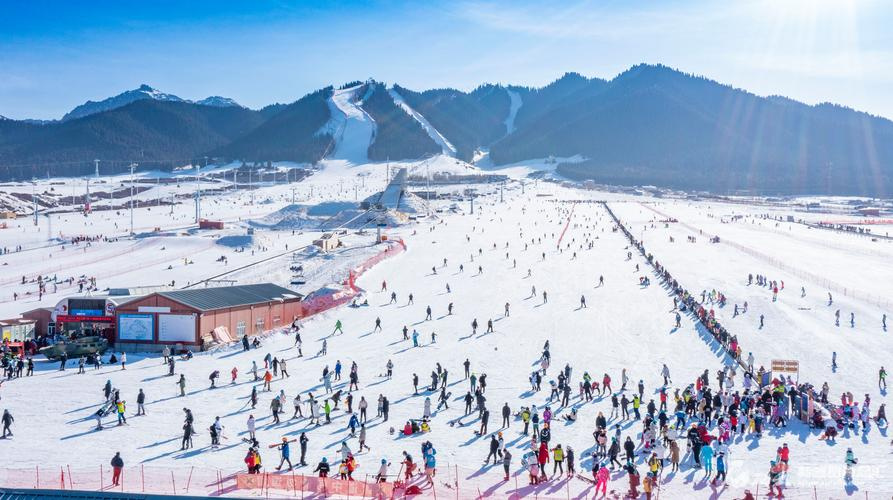
- Spring Festival week. The single busiest period of the Chinese winter. Resort hotels sell out months ahead, prices spike, and beginner areas can be genuinely unpleasant.
- New Year’s Day holiday. A short three-day national break that concentrates enormous demand into one weekend.
- Winter school holidays. Roughly mid-January to late February, when family and ski-camp traffic dominates weekends.
- Any Saturday at a city-adjacent resort. Day-trip resorts near large cities are busiest on Saturday, moderately busy Sunday, and quiet Monday to Thursday.
Sweet spots
- Early to mid-December. Cold, decent base at northern resorts, very low traffic, cheapest lodging of the season.
- The first two weeks of January, before school holidays hit their stride.
- The week immediately after Spring Festival. Snow is still good, and domestic demand collapses almost overnight.
- Mid to late March at high or northern resorts, where the season runs long. Warm afternoons, near-empty lifts.
Choose Geography That Works For You
Crowding in China is overwhelmingly a function of distance from a major population centre. A resort ninety minutes from a megacity will always be busier than a comparable mountain a five-hour transfer away, regardless of terrain quality.
Trade transfer time for space
If your trip is longer than three days, choose a destination resort with a real transfer rather than a day-trip hill. The visitors who bother to travel that far tend to be committed skiers spread across a lot of terrain, rather than crowds concentrated on two beginner pistes.
Look northwest
Xinjiang is the clearest example of the pattern: long season, dry snow, and visitor numbers that are a fraction of the eastern resorts serving the largest cities. Our overview of where to ski in Xinjiang lays out the main areas and how busy each gets.
Consider the second-tier resort next door
Almost every famous Chinese ski area has a smaller neighbour within an hour, sharing the same snowpack and often the same shuttle corridor. These get a fraction of the traffic. Ask your hotel or rental shop which nearby hill locals use on a busy Saturday.
Daily Timing Tactics
Even on a busy day, crowding is concentrated in specific windows. Chinese resort traffic follows a distinctive shape that differs from Western habits.
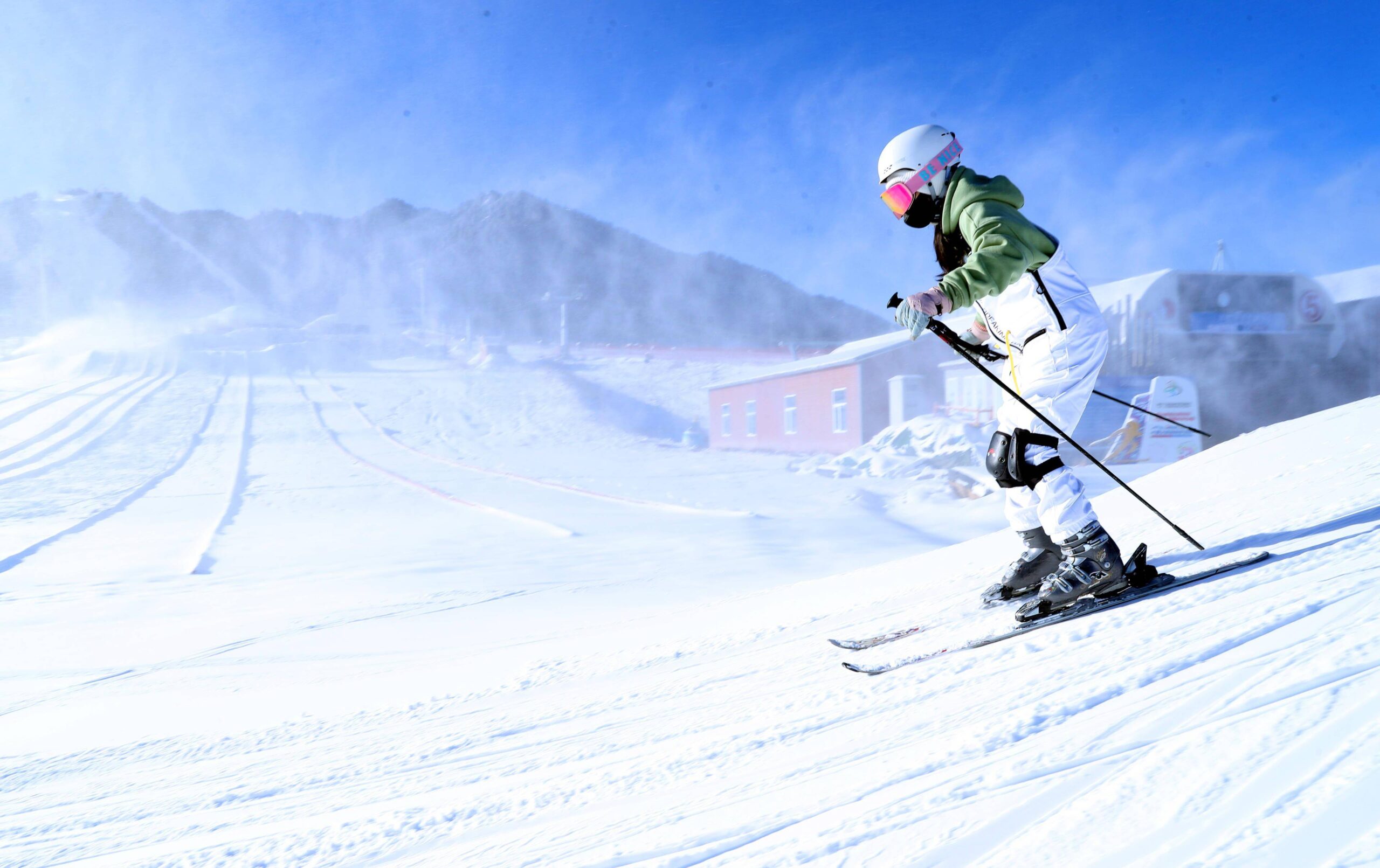
- First lifts are quiet. Domestic day-trippers typically arrive between 10:00 and 11:30 after a morning drive. If you are on the first chair, you often get ninety minutes of near-empty groomers.
- Lunch is the great emptying. The mountain clears dramatically between roughly 12:00 and 13:30 because almost everyone eats at the same time. Eat early at 11:15 or late at 13:45 and ski straight through the gap.
- Late afternoon reopens. Many casual visitors stop by 15:30. The last ninety minutes before closing are frequently the emptiest of the day.
- Night sessions are underrated. Resorts with lit terrain often run evening tickets that see far lower volume than daytime.
Beat the Physical Bottlenecks
Queues in China form less often at the lift itself than at the service points around it. Fixing these saves more time than any clever route choice.
Rental shops
The rental counter is the number one chokepoint, and it can cost an hour on a busy morning. Options: reserve gear online in advance, collect it the evening before if the shop allows, use an off-site shop in the nearest town, or bring your own equipment.
Ticket windows
Buy lift tickets through the resort’s app or an online travel platform before you arrive. Same-day window queues on a Saturday are the longest lines on the property.
Lockers and changing rooms
Arrive already wearing base layers and ski trousers. You will skip the locker room scrum entirely and be on snow while others are still queuing to change.
Beginner lifts
Magic carpets and short beginner tows absorb the heaviest load. If you are past absolute beginner stage, move to the shortest proper chairlift as early as possible, even if the run is slightly steeper than you would choose. It is usually far less crowded and far more productive.
On-Mountain Routing
- Ski away from the base area. Traffic density falls sharply with each lift you take from the main lodge.
- Use the second-choice chair. Two lifts serving similar terrain will have very different queues, because most visitors default to the one nearest the entrance.
- Take the longer route down. Where a run splits, the option with a slightly longer traverse is almost always emptier.
- Watch the ski-school clock. Group lessons finish on the hour and flood specific pistes for fifteen minutes. Be somewhere else.
- Know the local right-of-way habits. Merging traffic is heavier here than at many Western resorts, so read our notes on China ski resort etiquette before a busy weekend.
- Head into weather. Light snow or flat light thins crowds enormously while barely affecting a competent skier’s day.
Booking Choices That Reduce Friction
Where you sleep shapes how much queuing you do. On-mountain or ski-in accommodation lets you exploit the first-chair and last-hour windows without relying on a shuttle schedule. It costs more, but the effective extra ski time on a short trip is substantial.
If you use shuttles, note the departure times before you commit to a lodging choice. A hotel twenty minutes closer is worth little if its bus arrives at the base at 10:15, precisely when the crowds do. For destinations where transfers matter most, our China ski transport guide covers the practical options.
A Sample Low-Crowd Day
- 07:30 breakfast, already dressed in ski clothing.
- 08:45 at the lift with pre-booked tickets and pre-collected rental gear.
- 09:00 to 11:10 lap the least obvious chairlift away from the base.
- 11:15 early lunch, twenty minutes, no queue.
- 11:45 to 15:00 ski the emptied mountain through the general lunch window.
- 15:00 short coffee break while the afternoon peak thins out.
- 15:30 to close, quiet groomers and short queues.
Run that schedule on a Wednesday in early December at a resort with a real transfer, and you will barely queue at all. For the Xinjiang version of this planning process, the Xinjiang Skiing Guide is the best starting point.
Frequently Asked Questions
Which is the least crowded month to ski in China?
Early December and mid to late March are the quietest periods with usable snow. December offers cold conditions and low prices at northern resorts, while March suits high-elevation and northwestern areas where the season runs longer.
How bad are crowds during Spring Festival?
Severe at popular resorts. Expect long rental and ticket queues, sold-out lodging booked months ahead, peak pricing and congested beginner slopes. If your dates are fixed to that week, choose a remote destination resort rather than a city day-trip hill.
Are weekdays really much quieter?
Yes, dramatically so at resorts serving large cities. Monday through Thursday can see a small fraction of Saturday volume. Weekday-only trips are the single most effective crowd-avoidance strategy available.
What is the biggest time sink at a busy Chinese ski resort?
The rental shop, followed by the ticket window. Booking gear and tickets online in advance, and arriving already dressed for skiing, removes most of the waiting from a busy morning.
Is skiing at lunchtime actually better?
Usually yes. Domestic visitors tend to eat within a narrow window around midday, so pistes empty noticeably. Eating early or late and skiing through that gap is one of the easiest wins on the mountain.
Do night sessions help avoid crowds?
Often significantly. Lit evening skiing draws far fewer people than daytime at most resorts that offer it, and tickets are typically cheaper. Terrain is limited to lit runs, so it works best as a supplement to a day ticket.