

Skiing in Xinjiang is often assumed to be an expensive, far-flung adventure, but a realistic budget guide to skiing in Xinjiang tells a more encouraging story. The region’s resorts are younger and less commercialized than the Alps, and while getting there takes planning, the day-to-day costs on the mountain can be surprisingly manageable for foreign skiers who know where to trim. This guide breaks down what you will actually spend, where the money goes, and the specific choices that keep a Xinjiang ski trip affordable without sacrificing the snow. Think of it as a planning tool, not a list of sacrifices: the goal is more days on the mountain for less.
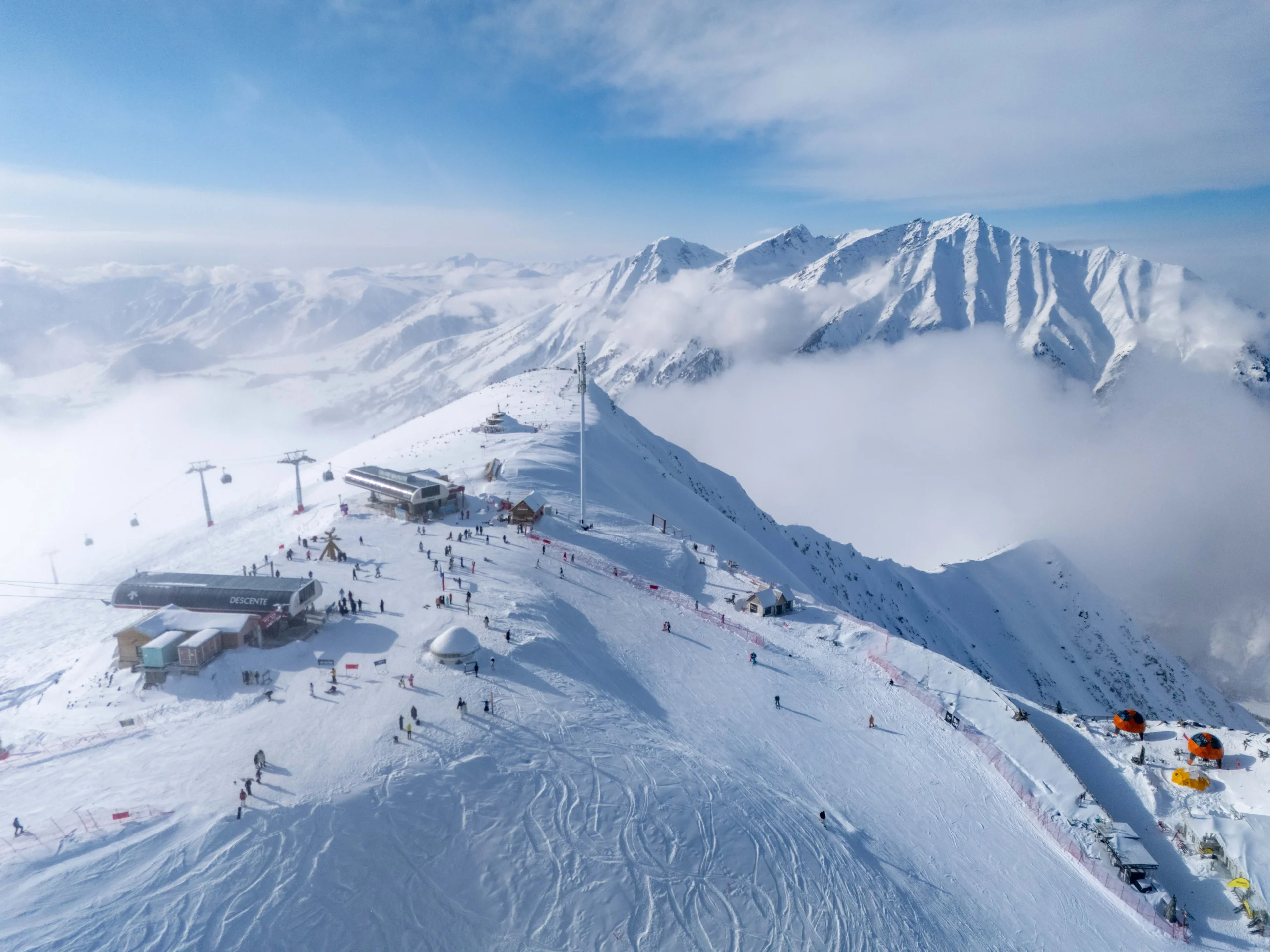
How Much Does a Xinjiang Ski Trip Cost?
A mid-range foreign skier should plan for roughly USD 90 to 160 per person per day once inside China, covering lodging, food, lift access, and local transport. The biggest swing factor is the international flight, which sits entirely outside that daily figure and depends on your home city. Within Xinjiang, a budget traveler who shares rooms, eats at local restaurants, and rides buses can land closer to USD 60 to 90 a day, while a resort-hotel stay with rentals and taxis pushes toward USD 200. Our where to ski in Xinjiang overview helps you match a resort to your budget before you book anything.
Getting There for Less
The flight to Urumqi or a nearby hub is the one cost you cannot avoid, so compress it by skiing more days per trip instead of taking several short visits. Inside the region, the train is the secret weapon: our train travel guide walks through reaching Altay by rail, which is far cheaper and lower-carbon than a domestic flight and spares you the airport shuffle. Regional buses and shared vans fill the last miles to smaller resorts for a few dollars, and booking tickets a week ahead avoids peak-holiday price spikes that can double fares.
When Airfares Spike
Chinese public holidays such as Spring Festival and National Day inflate every price tier from flights to lodges, so traveling in the shoulder weeks of the season is the single easiest saving. The best time to ski Xinjiang guide maps the snow calendar against crowds, and a few quiet weeks in mid-season often deliver the same powder at a fraction of the cost.
Lift Passes and Resort Fees
Day passes at Xinjiang resorts typically run well below European alpine rates, and multi-day passes almost always cut the per-day price. Buy at the resort counter rather than through foreign resellers, and ask about weekday rates, which several areas discount. Our Xinjiang ski resorts directory lists the main mountains and what each is known for, so you can pick one or two bases instead of buying passes everywhere and spreading your budget thin.
Saving on Gear and Clothing
Unless you are a gear obsessive, renting on site beats flying with bulky bags that trigger oversized luggage fees. Boards, skis, boots, and helmets are available at most resorts, and China’s ski equipment shops and resort rental desks explain what to expect from local rental quality, For clothing, layer with what you own and buy a cheap insulated shell at a Urumqi market if needed; you rarely need to import specialist kit. Keep your Xinjiang ski trip packing list lean so checked-bag charges stay low.
Food and Lodging on a Budget
Eating is where Xinjiang rewards the curious: Uyghur and Kazakh canteens serve huge, warming plates of noodles, kebabs, and laghman for a few dollars, and morning markets are cheaper still. Skip the resort restaurants at lunch and pack bread, cheese, and fruit from town. Lodging follows the same rule: family guesthouses in Altay and small resort towns cost a fraction of international-chain hotels, and the money stays in the local economy. Booking directly by phone or WeChat often beats platform prices once you are in China.
Free and Cheap Things to Do Off the Slopes
Not every hour needs a ticket. Village walks, frozen-lake views, and evening food streets cost nothing, and many resorts have free beginner slopes or paid beginner zones that are far cheaper than full mountain access while you find your feet. Balancing paid ski days with free exploration is the simplest way to stretch a trip without feeling broke.
A Sample 7-Day Budget
For a concrete picture, a shared-room, train-arrival, two-resort plan for one person might look like: USD 350 to 550 for the round-trip flight (home-city dependent), USD 250 to 400 for seven days of lodging and food, USD 150 to 250 for lift passes, and USD 60 to 120 for local transport and rentals. That lands a full week of Xinjiang skiing around USD 800 to 1,300 all-in, excluding the flight, which is competitive with a single alpine weekend. Start from the broader Xinjiang skiing guide to build the rest of your itinerary around that number.
Money-Saving Moves That Actually Work
A handful of habits do most of the heavy lifting, and none require special memberships. Travel outside the public holidays, share a room, take the train, rent gear on site, and eat where locals eat; together these trim a trip more than any single discount code. Buy multi-day passes instead of daily ones, carry a refillable bottle, and download offline maps so you are not paying roaming fees just to navigate. A little politeness and a few local phrases often earn a better room rate or a lift ride that no coupon matches, and the same calm approach keeps the trip enjoyable rather than a race to spend less.
Frequently Asked Questions
Is skiing in Xinjiang cheaper than the Alps?
For daily costs on the mountain, yes for most travelers. Lift passes, food, and local lodging in Xinjiang typically run below Western European resort towns, though your international flight may be longer. The saving shows up once you are in the region, not in the airfare.
Can I ski Xinjiang on a tight daily budget?
Yes. Sharing rooms, eating at local canteens, taking trains and buses, and renting gear on site can keep daily spend near USD 60 to 90. The main lever is avoiding holiday periods and resort-hotel pricing.
Do I need to book lifts in advance?
Usually not. Day passes are sold at the counter, and multi-day passes are cheaper bought together. Only during national holidays do popular resorts sell out, so a normal mid-week plan is safe to arrange on arrival.
What is the biggest unexpected cost?
For foreign skiers the surprise is often local transport between the airport, the train station, and a remote resort, plus checked-bag fees for ski gear. Planning those transfers ahead and packing light removes most of the sting.
Is it worth renting or should I bring my own?
Most visitors should rent on site. Flying with skis or a board adds baggage fees and hassle, while resort rentals are decent and let you travel light. Bring your own only if you are particular about fit and plan many days.
Should I travel with travel insurance?
Yes, add a policy that covers winter sports and evacuation. Clinics near remote resorts are limited, and a medical flight home is ruinously expensive without cover, so the small premium is worth it for peace of mind on a long-haul ski trip.